The Complete Guide to Heat Pump Advantages Over Traditional HVAC

The Complete Guide to Heat Pump Advantages Over Traditional HVAC
Heat Pump Advantages Over Traditional HVAC: Why More Central Washington Homeowners Are Making the Switch
Understanding the heat pump advantages over traditional HVAC systems can help you make a smarter, longer-lasting decision for your home's comfort and energy bills. Here's a quick look at what sets heat pumps apart:
Top Heat Pump Advantages Over Traditional HVAC
| Advantage | Heat Pump | Traditional Electric HVAC |
|---|---|---|
| Heating & cooling in one unit | Yes | No (requires separate systems) |
| Energy efficiency | 2-4x more efficient | Standard efficiency |
| Carbon emissions | ~40% lower | Higher |
| Consistent comfort | Even, continuous airflow | Temperature swings |
| Cold-climate performance | Works to -22°F | Unlimited by design |
| Annual energy savings | $370–$1,000+ | Baseline |
If you heat and cool your home in the Wenatchee Valley, chances are you've started hearing a lot more about heat pumps. And for good reason — heat pumps have now outsold traditional systems in the U.S. for several consecutive years, signaling a real shift in how homeowners think about year-round comfort.
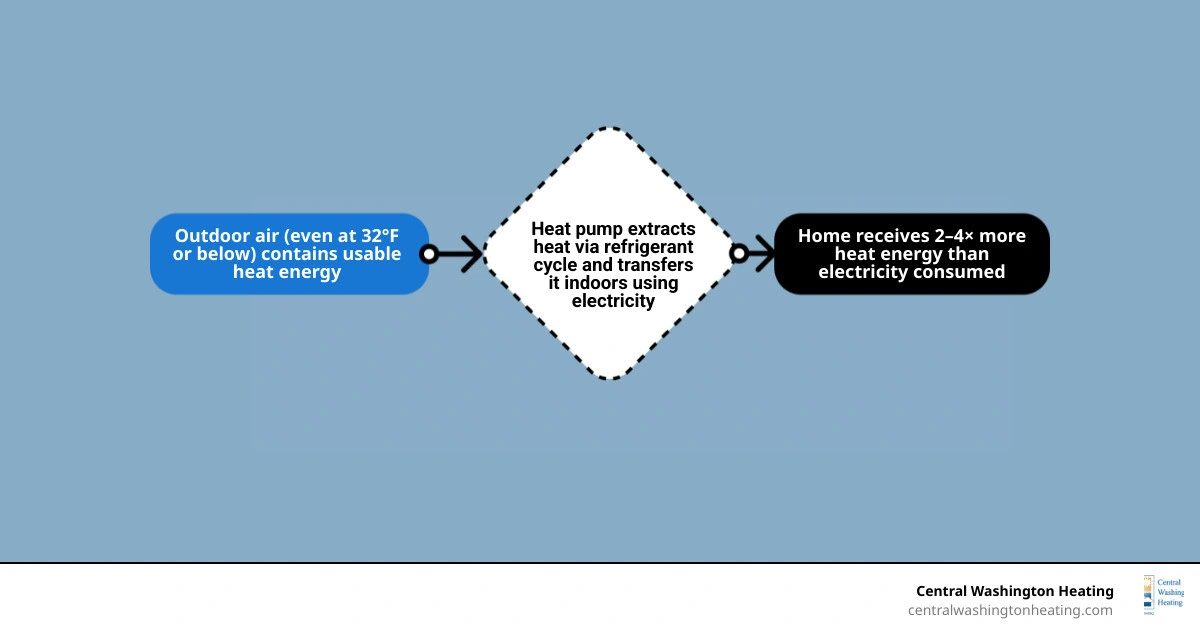
Unlike a traditional electric furnace that generates heat by converting electricity into warmth, a heat pump moves heat that already exists in the outdoor air — even in cold weather — and transfers it inside your home. In summer, it simply runs that process in reverse, pulling heat out of your home and releasing it outside, just like a central air conditioner.
The result? One system that handles both heating and cooling, often at a fraction of the operating cost of running two separate units. For homeowners dealing with rising energy bills, uneven temperatures, or aging equipment, that's a significant advantage worth understanding before your next HVAC decision.
Basic heat pump advantages over traditional hvac terms:
What is a Heat Pump and How Does It Work?
To truly appreciate the heat pump advantages over traditional HVAC, it helps to understand the underlying science. Traditional heating systems, like electric resistance baseboards or a standard electric furnace, rely on creating thermal energy. In contrast, a heat pump is an environmental champion because it relies on heat transfer.
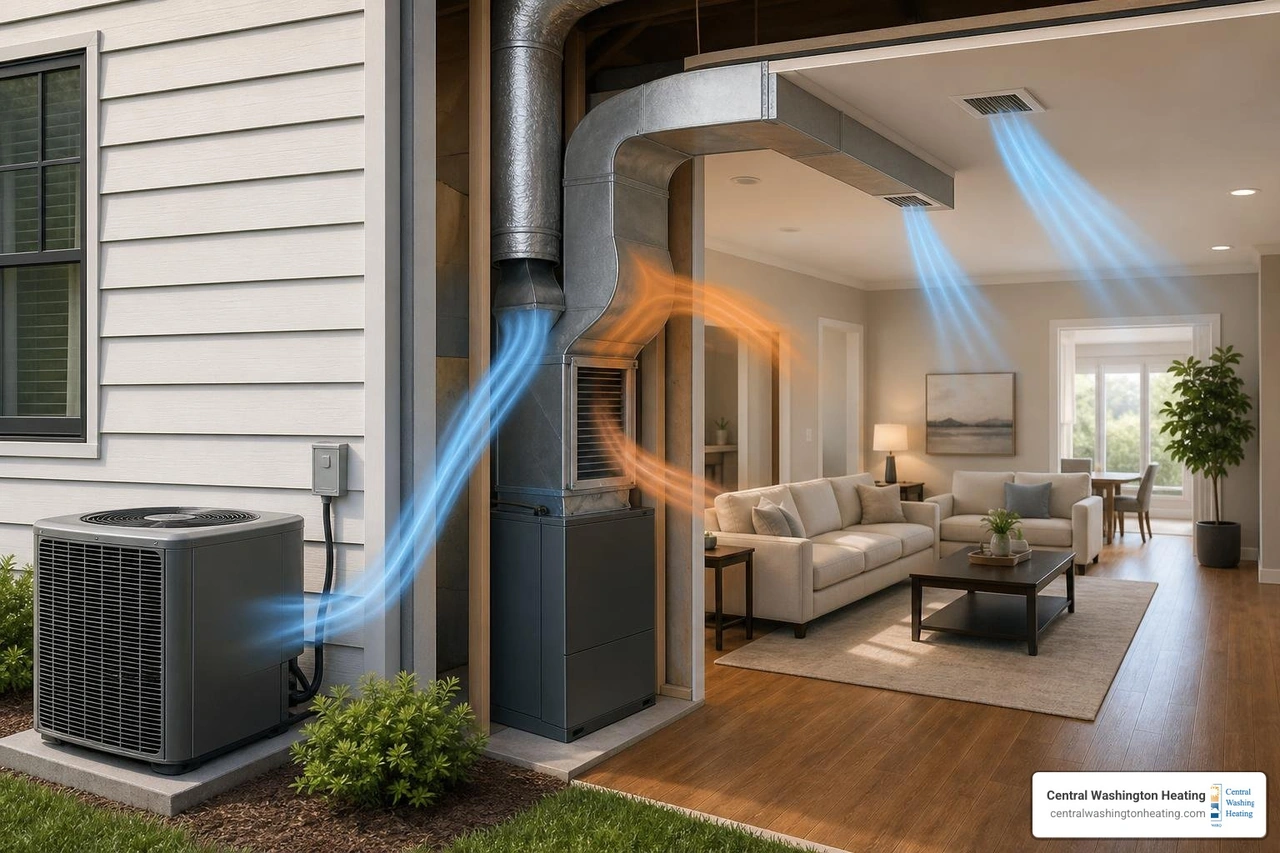
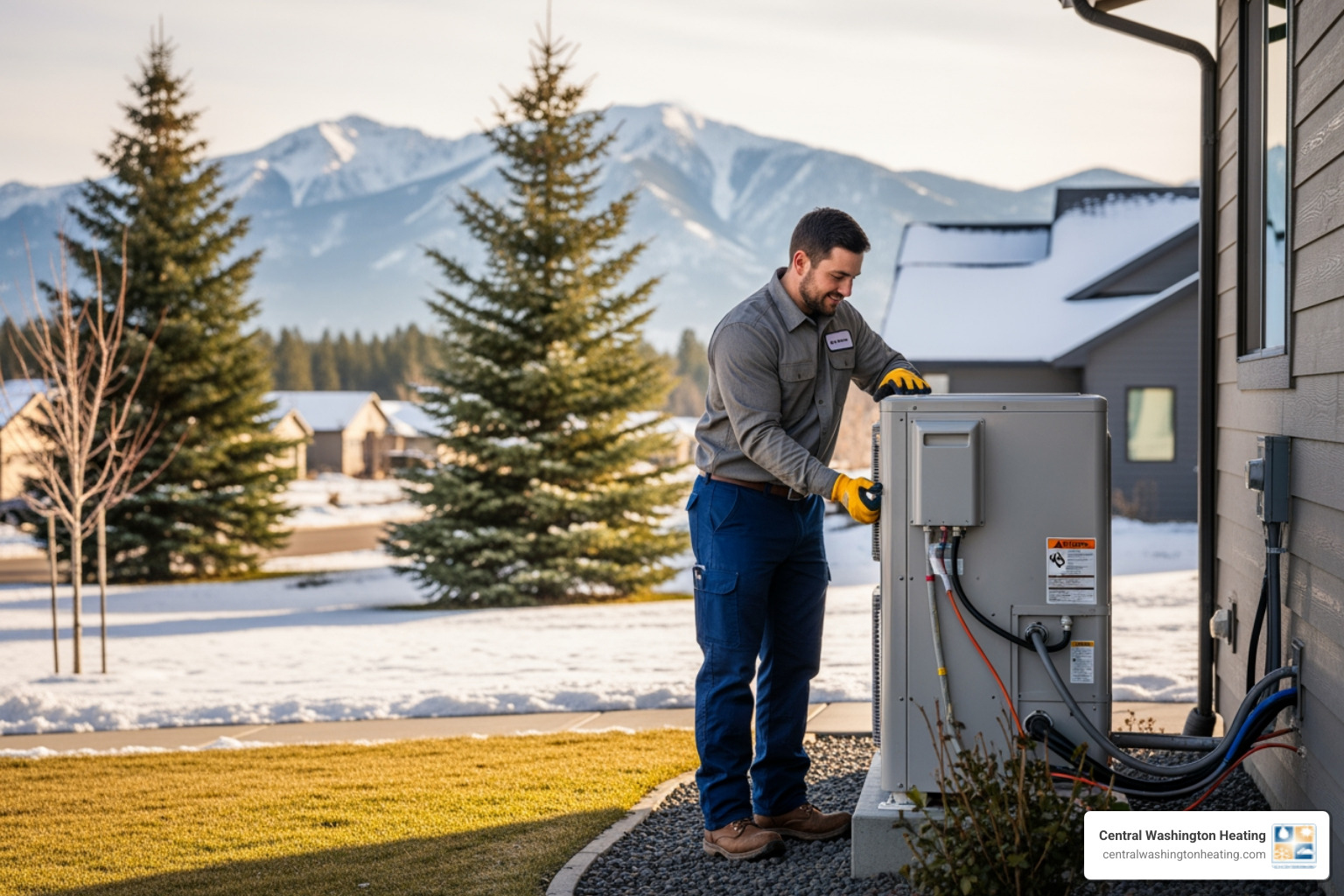
At its core, a heat pump utilizes a closed-loop refrigerant cycle. This cycle is powered by a compressor, an outdoor coil, an indoor coil, and a specialized expansion valve. Refrigerant — a chemical fluid designed to absorb and release heat at varying temperatures — travels between the indoor and outdoor units.
By manipulating the pressure of this refrigerant, the system can force it to evaporate (absorbing heat from its surroundings) or condense (releasing heat to its surroundings). Because it is simply relocating existing thermal energy from one place to another, a heat pump can achieve incredible efficiency levels that traditional systems simply cannot match.
If you would like to explore the terminology in greater detail, you can read our comprehensive Glossary: Heat Pump or check out our guide on How Heat Pumps Work.
Heat Pump Advantages Over Traditional HVAC in Heating Mode
During our chilly Central Washington winters, a heat pump acts as a heat scavenger. Even when the outdoor air feels freezing to us, it still contains a massive amount of ambient thermal energy. In fact, outdoor air down to sub-zero temperatures still retains usable heat.
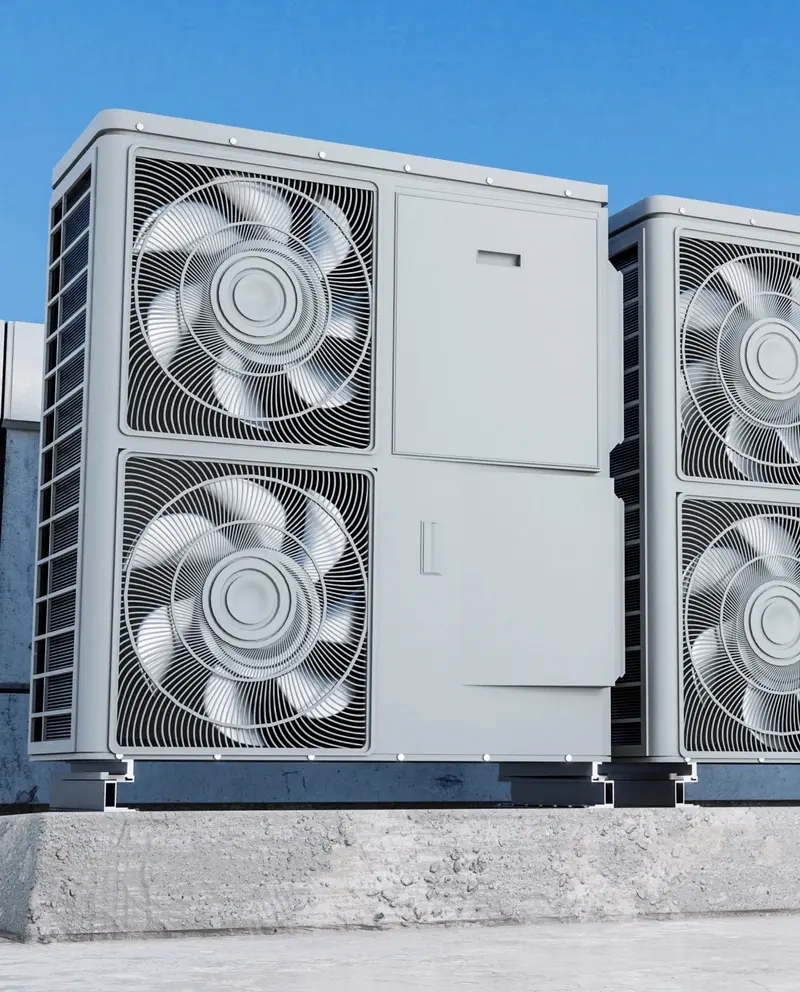
In heating mode, the cold refrigerant flows through the outdoor coil. Because the refrigerant is colder than the outdoor air, heat naturally transfers from the air into the refrigerant. The compressor then squeezes this refrigerant, dramatically raising its temperature and pressure. The hot refrigerant is pumped indoors to the air handler, where a fan blows your indoor air across the hot coils, warming your home.
This process is measured by the Coefficient of Performance (COP). A traditional electric heating system has a COP of 1, meaning that for every 1 kilowatt (kW) of electricity consumed, it generates exactly 1 kW of heat energy (100% efficiency). Modern heat pumps, however, typically deliver a COP between 2 and 5. This means they can deliver two to five times more heat energy than the electrical energy they consume, operating at 200% to 500% efficiency.
Heat Pump Advantages Over Traditional HVAC in Cooling Mode
When summer arrives in the Wenatchee Valley and temperatures climb, you do not need a separate air conditioning system. A heat pump features a critical component called a reversing valve. With the flip of a switch on your thermostat, this valve reverses the flow of the refrigerant cycle.
In cooling mode, the heat pump functions exactly like a traditional central air conditioner. It extracts excess heat and humidity from your indoor air and rejects it outside, leaving your home cool and refreshed.
Because a heat pump uses the same high-efficiency compressor and variable-speed fan technology for both cycles, it often provides superior dehumidification and cooling efficiency compared to aging, standard air conditioners. You can read more about how these cooling functions stack up in our detailed comparison of a Heat Pump vs AC.
Key Heat Pump Advantages Over Traditional HVAC Systems
When we compare a heat pump to a traditional split system (such as an electric furnace paired with a standalone central AC), several distinct advantages quickly emerge.
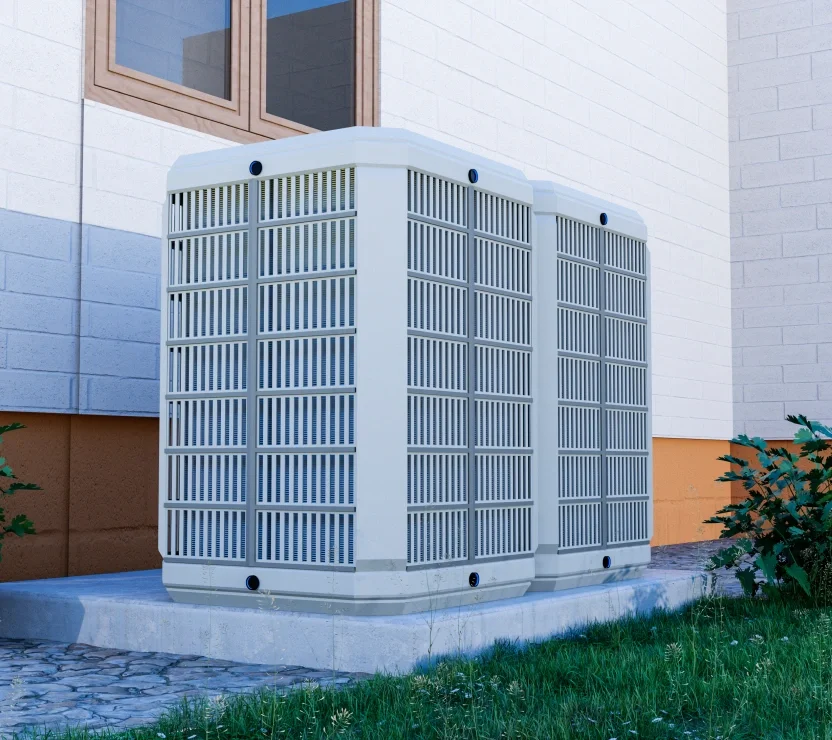
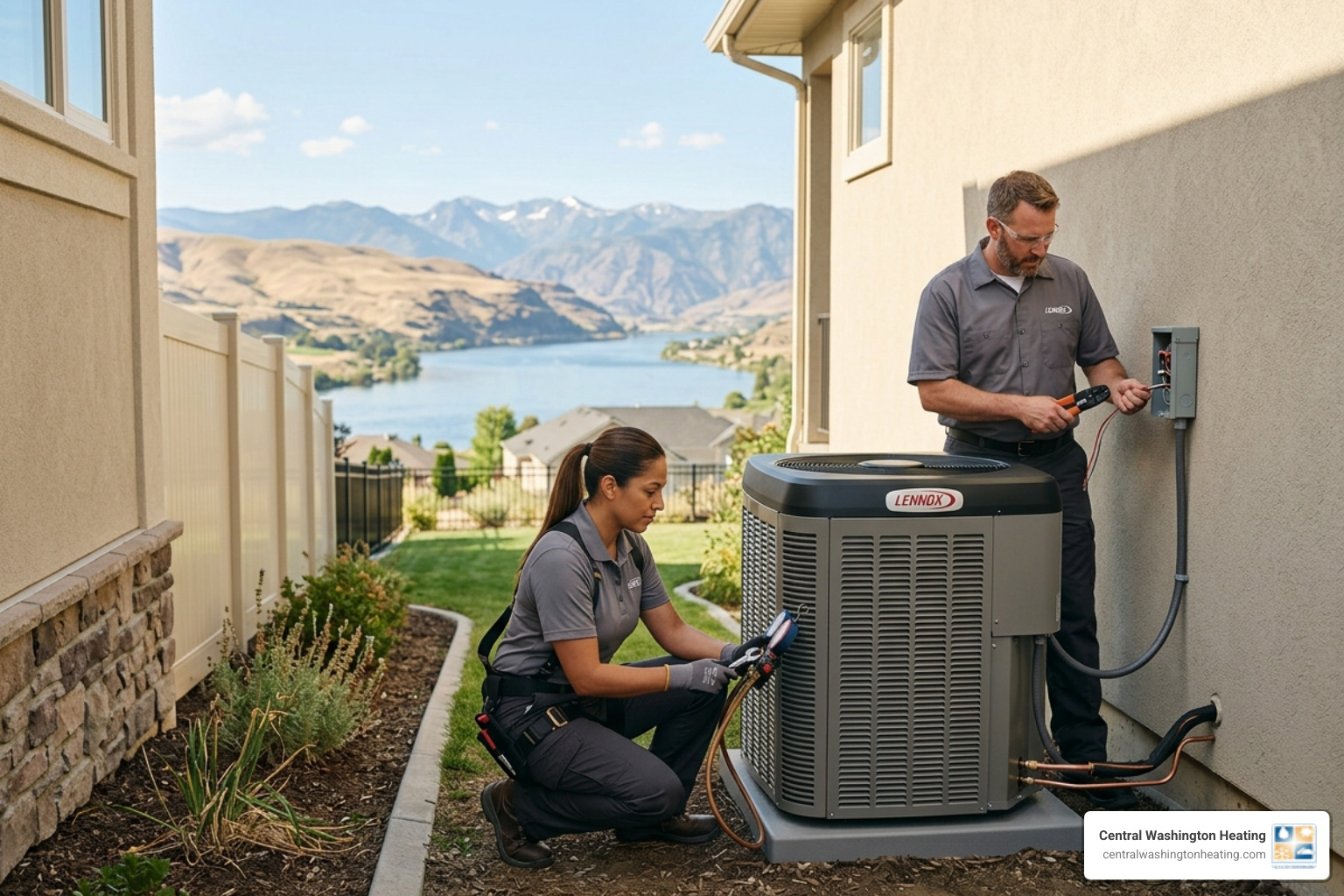
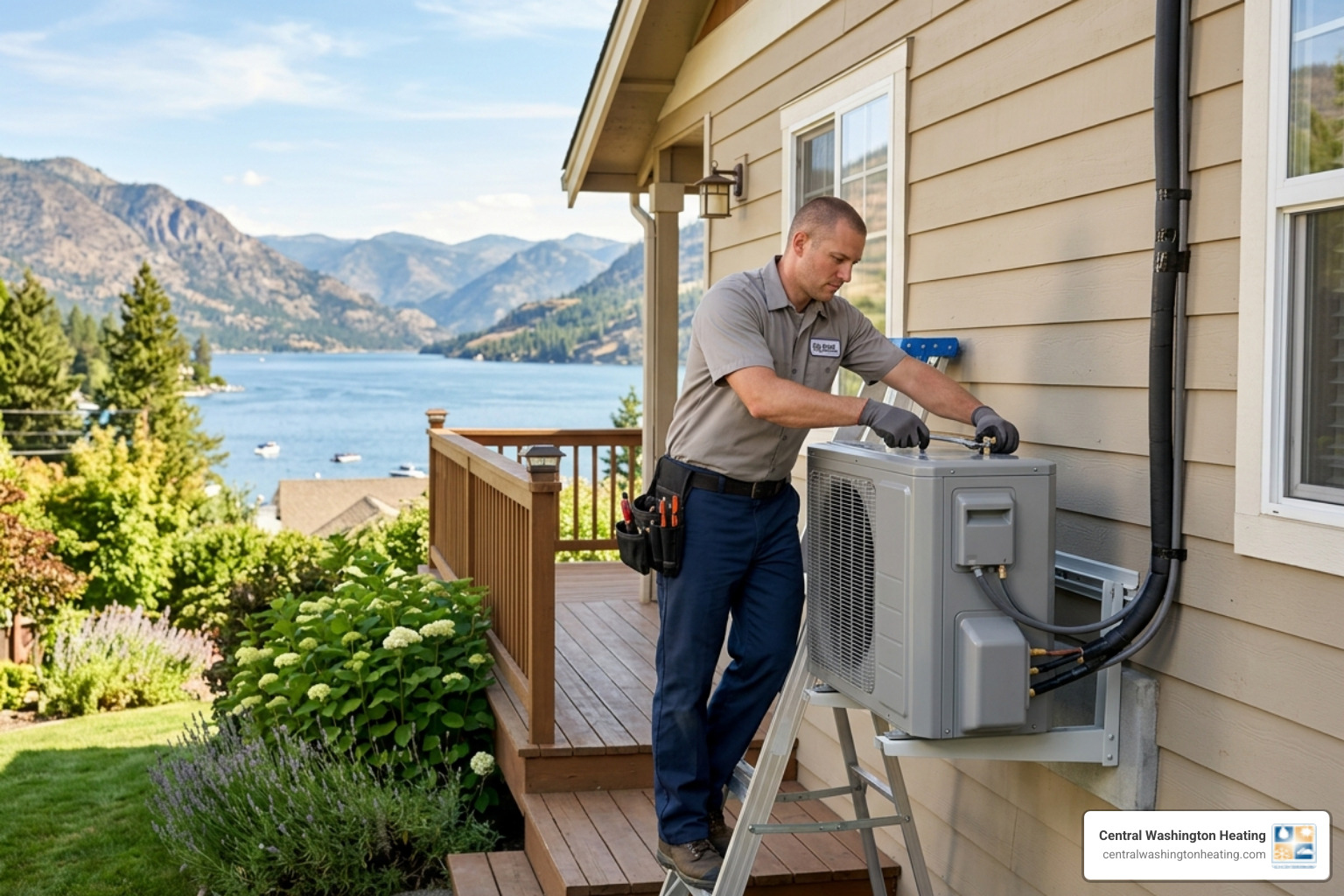
First and foremost is dual-functionality. Instead of purchasing, maintaining, and housing two separate mechanical systems, a heat pump provides complete, year-round comfort in a single outdoor unit. This frees up valuable indoor square footage and simplifies your home maintenance schedule.
Additionally, heat pumps play a massive role in home electrification and carbon footprint reduction. Because they run entirely on electricity and move heat rather than burning fuel, switching to a heat pump can trim household carbon dioxide emissions by approximately 40 percent compared to fossil-fuel-burning alternatives. As the local electric grid incorporates more renewable energy sources, your heat pump actually becomes cleaner over time.
To learn more about how this technology directly impacts your daily life, take a look at how a Heat Pump Can Improve Home Comfort.
Unmatched Energy Efficiency
The most compelling of all heat pump advantages over traditional HVAC is the sheer reduction in energy consumption. Because heat pumps move heat rather than creating it, the energy savings are immediate and substantial.
In mixed and four-season climates like ours, homeowners typically experience a 25% to 40% savings on their combined annual heating and cooling bills when upgrading from a standard AC and electric furnace combination. If you are replacing older, inefficient electric resistance baseboards or wall heaters, those savings can be even more dramatic, sometimes cutting your heating costs in half.
This incredible efficiency is supercharged by modern variable-speed (inverter) technology. Traditional HVAC systems operate like a light switch — they are either 100% on or completely off. This constant cycling creates drafty temperature swings and wastes a significant amount of electricity.
Variable-speed heat pumps, however, operate more like a dimmer switch. They run continuously at ultra-low, whisper-quiet speeds, modulating their output to match the exact heating or cooling needs of your home at any given second.
Consistent Indoor Comfort and Air Quality
Because a variable-speed heat pump runs longer, gentler cycles, it delivers incredibly consistent thermal comfort. You will no longer experience those sudden, noisy blasts of hot air followed by chilly lulls. Instead, the air circulates continuously, maintaining your desired temperature within a fraction of a degree.
This continuous operation also does wonders for your indoor air quality. As air moves steadily through your ductwork, it passes through your home's filtration system more frequently. This helps capture dust, pollen, pet dander, and other airborne allergens far more effectively than a system that only turns on sporadically.
Furthermore, because the system runs consistently, it excels at managing indoor humidity levels during our hot, sticky summer days, keeping your home feeling crisp and comfortable.
Performance in Extreme Climates: Cold Winters and Hot Summers
A common misconception among homeowners in Leavenworth, Chelan, and Waterville is that heat pumps cannot handle our cold winters. While it is true that older models from decades ago struggled when temperatures dipped below freezing, 2026 cold-climate heat pump technology has completely shattered this old myth.
Today's specialized cold-climate heat pumps are engineered to perform efficiently in sub-zero conditions. Utilizing advanced variable-capacity compressors and optimized heat exchangers, these modern systems can maintain 100% of their rated heating capacity at temperatures as low as 5°F, and continue to operate efficiently down to -15°F or even -22°F.
For the rare, historic cold snaps we sometimes experience in Central Washington, we can design a hybrid system or install auxiliary electric resistance backup heat strips directly inside your indoor air handler. If outdoor temperatures drop to extreme lows, the auxiliary heat automatically kicks in to assist, ensuring your family remains perfectly safe and warm.
To learn more about how modern systems perform year-round in our unique climate, read our Heat Pump Guide 2026 Explained.
Long-Term Value: Lifespan, Maintenance, and 2026 Incentives
Investing in a heat pump is not just about immediate comfort; it is about long-term financial and physical value. Let's look at how a heat pump compares to traditional electric HVAC systems over time:
| Feature | Heat Pump | Traditional Electric Furnace + AC |
|---|---|---|
| Average Lifespan | 12 to 15 Years | 15 to 20 Years (Furnace) / 15 Years (AC) |
| Required Maintenance | Bi-annual professional tune-ups | Annual furnace check / Annual AC check |
| Primary Wear & Tear | Year-round operation | Seasonal rotation |
| Upfront Incentive Eligibility | High (Federal Tax Credits & State Rebates) | Moderate to Low |
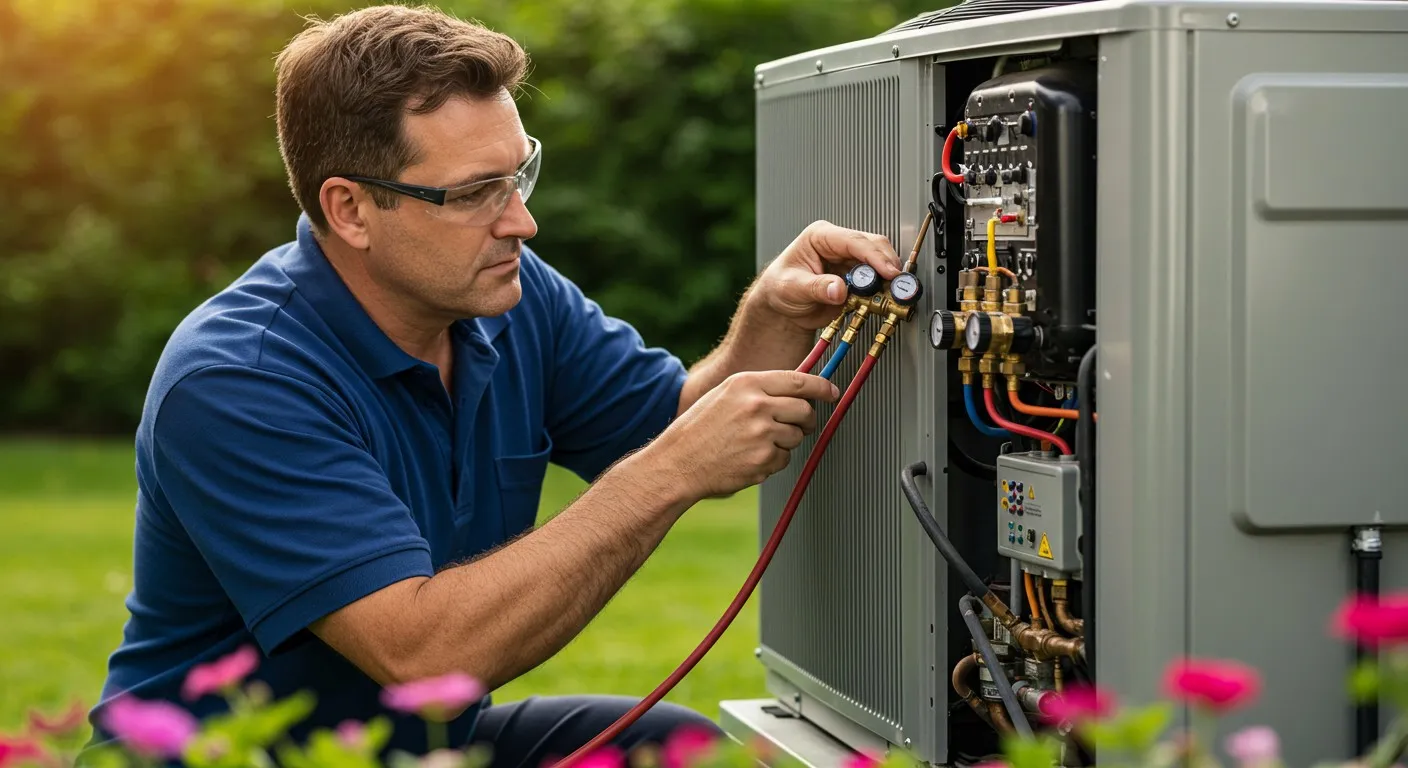
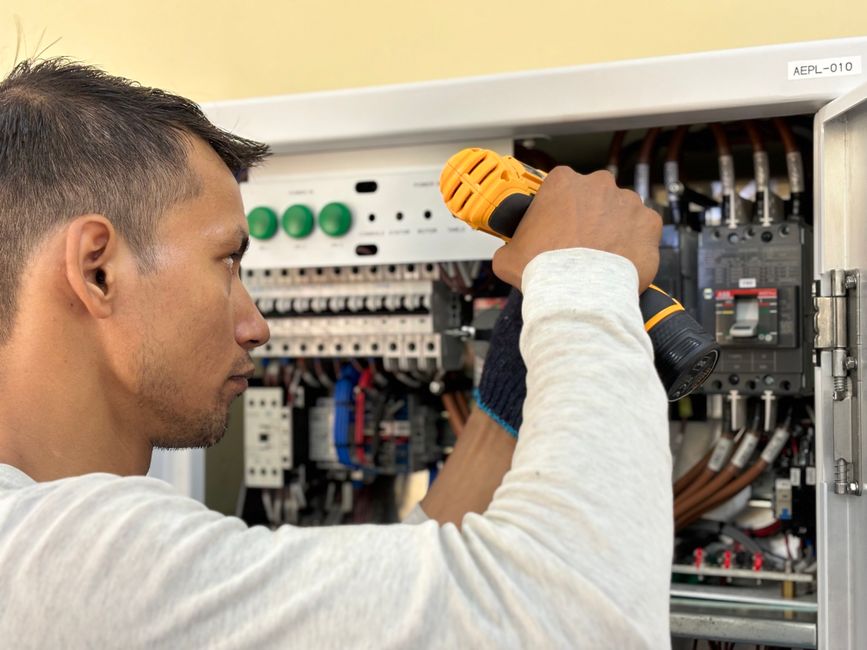
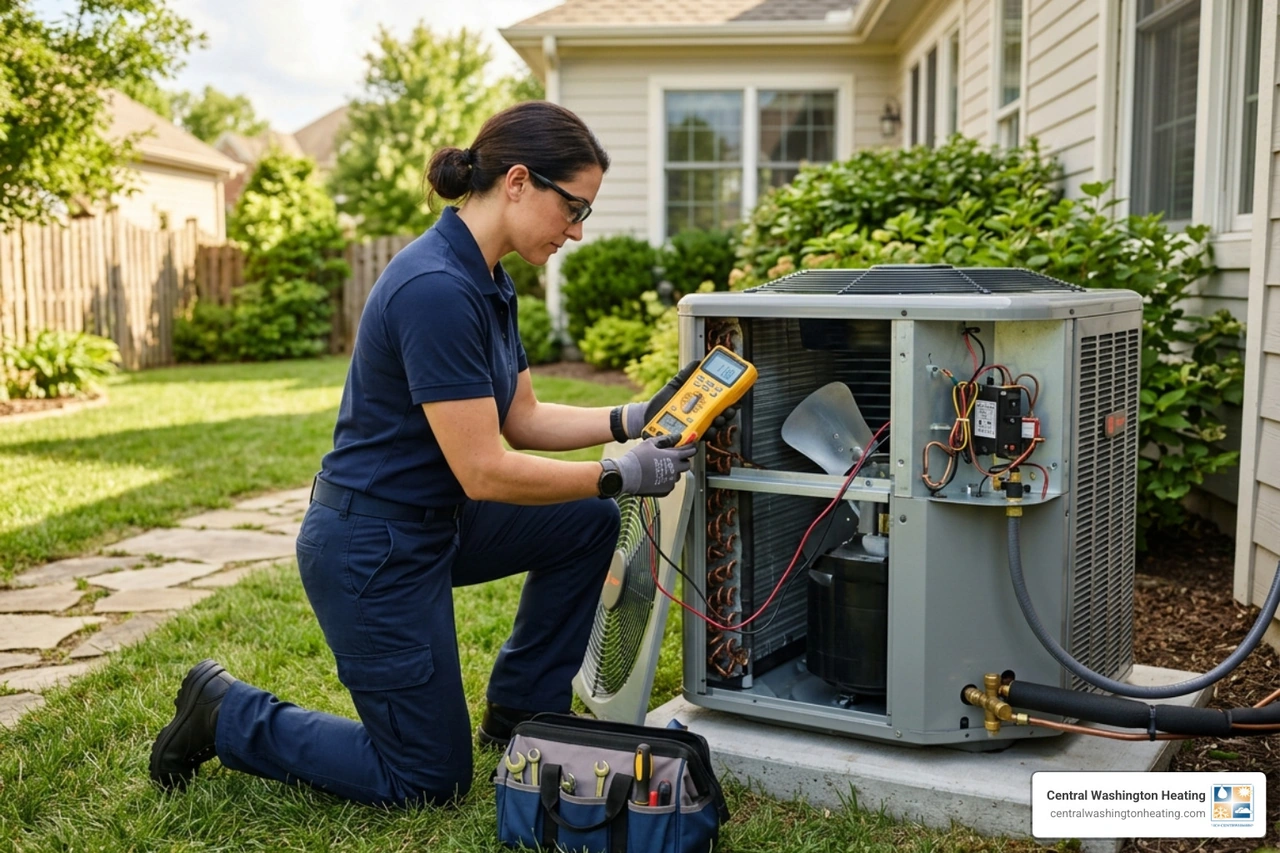
Because a heat pump works hard during both the summer and winter seasons, keeping up with bi-annual professional maintenance is crucial. A spring cooling tune-up and a fall heating inspection will ensure the reversing valve, compressor, and refrigerant levels are in perfect working order, maximizing your equipment's longevity.
Fortunately, making the switch in 2026 is highly supported by financial incentives. Under the Inflation Reduction Act, homeowners can take advantage of the Section 25C federal tax credit, which offers up to $2,000 annually for qualifying high-efficiency heat pump installations.
Additionally, local utility rebates and state-level programs frequently offer substantial financial assistance to help offset the initial upgrade. You can read more about maximizing these local opportunities in our guide to Heat Pump Benefits for Wenatchee Valley Homeowners.
Frequently Asked Questions About Heat Pumps
Can a heat pump completely replace an electric furnace and central AC?
Yes! A heat pump is designed to be a complete, all-in-one heating and cooling solution. Because it connects directly to your home's existing ductwork, it seamlessly replaces both your old central air conditioner and your electric furnace. This eliminates the need to maintain two separate systems, saving you physical space and simplifying your home comfort.
Do heat pumps work efficiently in cold Central Washington winters?
Absolutely. Thanks to modern cold-climate engineering, today's heat pumps are highly effective even during freezing Wenatchee and Leavenworth winters. For added peace of mind during extreme sub-zero weather, we typically install auxiliary electric backup heat strips inside the air handler to ensure your home remains perfectly cozy no matter how low the outdoor thermometer drops.
What maintenance do heat pumps require compared to traditional systems?
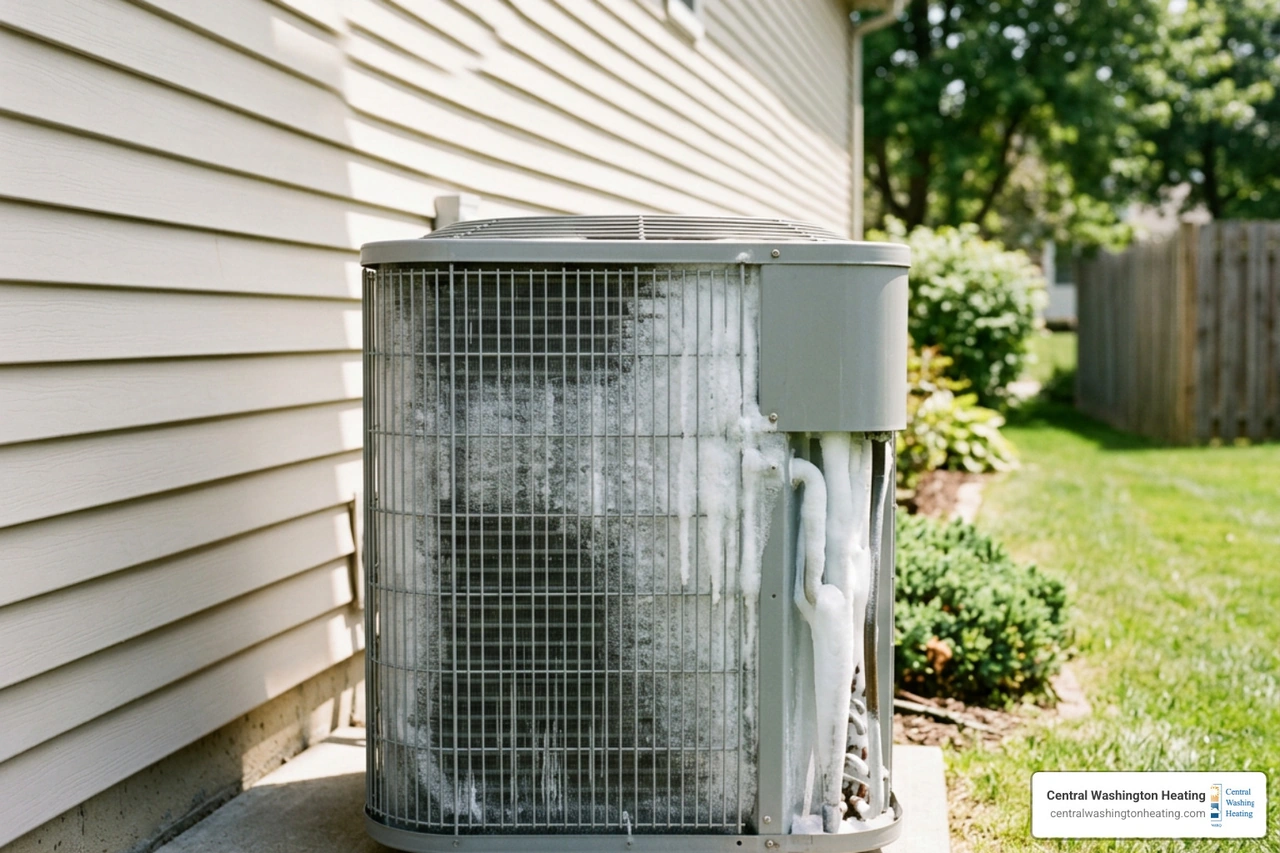
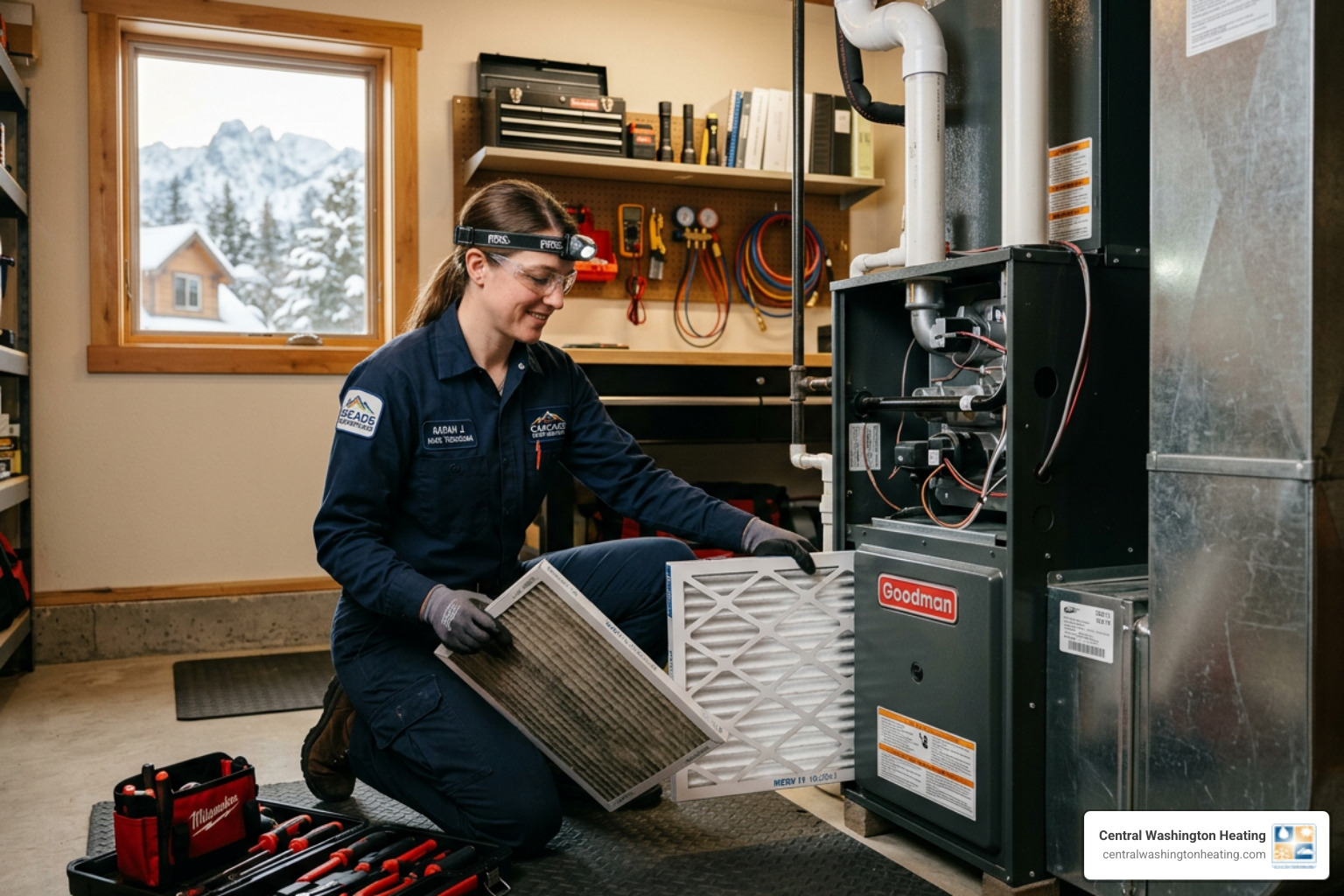
Because heat pumps provide both heating and cooling, they operate year-round and require professional maintenance twice a year — once in the spring before the cooling season, and once in the fall before the heating season. Between visits, homeowners should replace their air filters every 1 to 3 months and keep the outdoor unit clear of snow, ice, leaves, and debris to ensure optimal airflow.
Conclusion
When you weigh the heat pump advantages over traditional HVAC systems, the choice becomes clear. From year-round dual-functionality and incredible energy savings to consistent, whisper-quiet comfort and a reduced environmental footprint, heat pumps represent the future of home climate control.
At Central Washington Heating, we bring over 30 years of trusted HVAC expertise to homeowners throughout the Wenatchee Valley, including Cashmere, Chelan, Dryden, East Wenatchee, Entiat, Leavenworth, Malaga, Monitor, Orondo, Peshastin, Waterville, and Wenatchee. As a family- and veteran-owned business, we pride ourselves on delivering licensed, high-quality craftsmanship, custom ductwork, and dependable 24/7 emergency service.
Are you ready to experience the ultimate in home comfort and efficiency? Schedule Heat Pump Services in Wenatchee with our friendly team today!
Latest Insights and Tips































.svg)


.svg)


