How to Keep Your AC Vents and Registers Clear: 5 Simple Steps
How to Keep Your AC Vents and Registers Clear: 5 Simple Steps
How to Keep Your AC Vents and Registers Clear in 5 Simple Steps
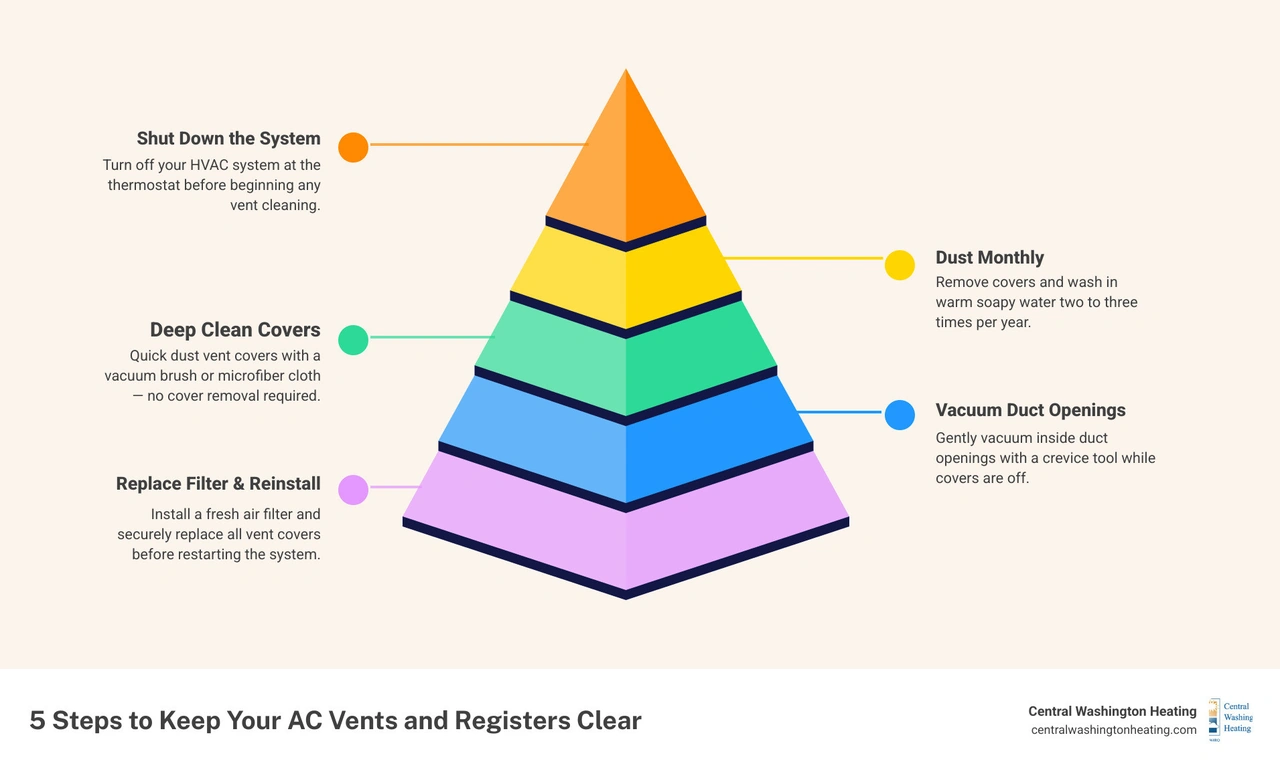
How to keep your AC vents and registers clear is simpler than most homeowners think — and it makes a real difference in your home's comfort and energy bills. Here's a quick overview of the five steps:
- Shut down your HVAC system before you start any cleaning.
- Dust vent covers monthly using a vacuum brush or microfiber cloth — no cover removal needed.
- Remove and deep clean covers in warm soapy water two to three times per year.
- Vacuum the duct opening gently with a crevice tool while the covers are off.
- Replace your air filter and reinstall covers before turning the system back on.
If your home is in the Wenatchee Valley, staying on top of this routine matters even more. Central Washington's dry summers, agricultural dust, and wildfire smoke seasons push extra debris into your HVAC system faster than in many other parts of the country. When vents get clogged, your air conditioner has to work harder to push air through, which strains the equipment, raises your energy bills, and shortens the system's lifespan.
The good news? Most of this maintenance takes less than an hour and requires nothing more than basic household tools. This guide walks you through every step — from a quick weekly dust-off to a full deep clean — so your system stays efficient all season long.
How to keep your ac vents and registers clear terms explained:
- ac maintenance checklist for central washington homeowners
- diy ac maintenance tasks you can do between service visits
- how to clean your outdoor ac unit safely after pollen season
Why You Must Know How to Keep Your AC Vents and Registers Clear
When we think about home maintenance, our minds usually jump to cleaning gutters, washing windows, or mowing the lawn. AC vents and registers are often left to collect dust in silence. However, keeping these pathways clear is essential for the overall health of your heating and cooling system.
Every forced-air HVAC system relies on a delicate balance of supply and return air. The supply vents deliver conditioned air into your rooms, while the return vents pull air back into the system to be cooled or heated again. If either side of this loop is blocked by dust, pet dander, or misplaced furniture, it restricts the overall airflow.
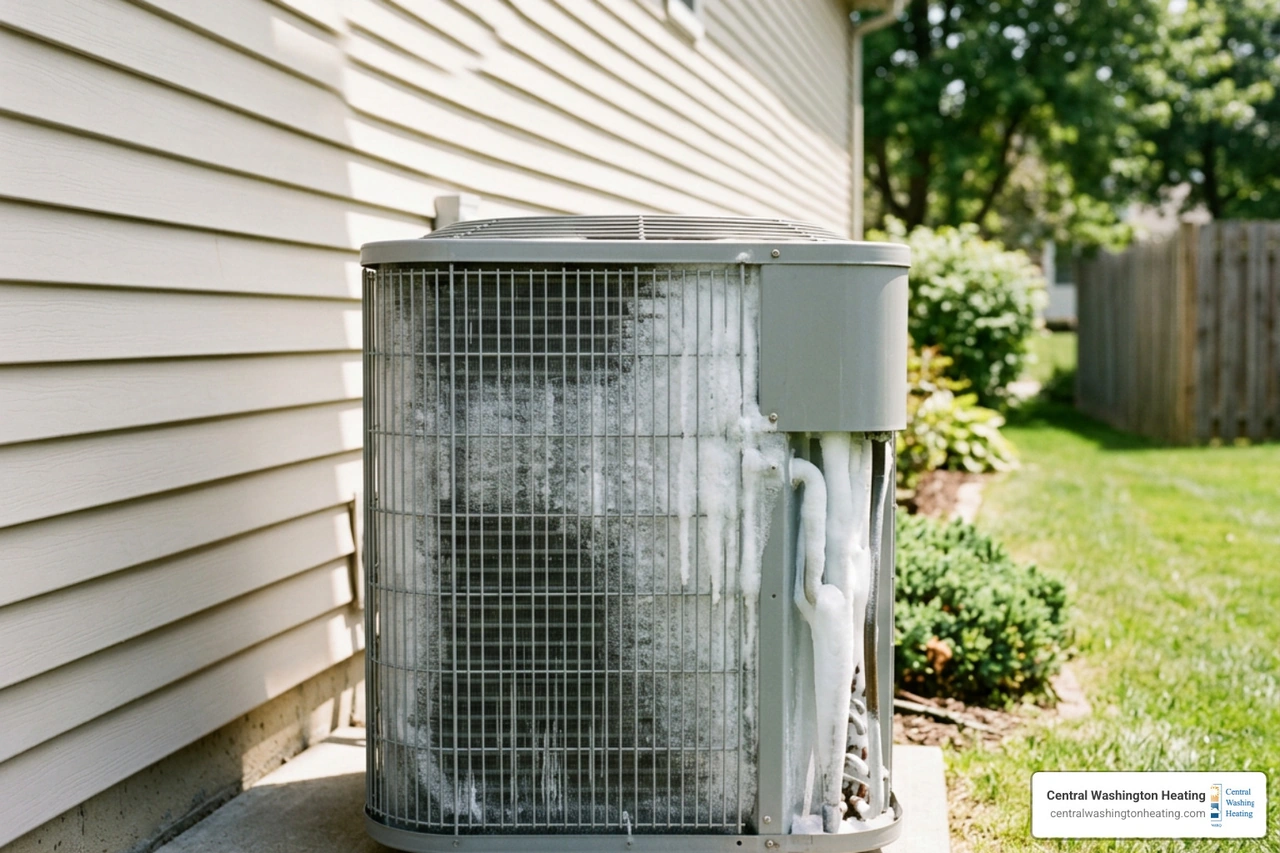
This restriction increases what technicians call "static pressure" inside your ductwork. Think of static pressure like blood pressure for your HVAC system; when it is too high, the entire system has to work twice as hard to perform its basic job. This extra strain directly drives up your monthly energy bills and can even cause your AC’s evaporator coil to freeze over, leaving you without cool air on a hot July afternoon.
To learn more about how this balance keeps your home comfortable, read our guide on How Airflow Affects Your Air Conditioner's Performance. If you are already noticing weak breezes coming from your system, you can also check out our tips for Fixing Low Airflow from Your AC Vents.
Signs Your Vents and Registers Need Attention
Your home has a few subtle (and not-so-subtle) ways of telling you that it is time to clean your vents. If you notice any of the following signs, grab your cleaning supplies:
- Dark Rings Around Ceiling Vents: Often called "ghosting," these dark rings occur when fine dust particles cling to the moisture or static charge around your ceiling registers. It is a clear sign that dust is recirculating through your rooms.
- Weak Airflow: If you stand under a vent and can barely feel a breeze while the system is running, a clog or blockage is likely nearby.
- Musty Odors: When the AC kicks on, does the air smell a bit damp or stale? Dust buildup on vents can trap moisture, creating a breeding ground for mildew.
- Visible Dust and "Dust Bunnies": If you can see gray fur-like accumulation clinging to the slats of your registers, your indoor air quality is actively suffering.
If you suspect these signs point to a larger problem with your cooling equipment, review our Signs Your AC Needs Repair Guide to help diagnose the issue.
How Climate and Dust Affect Vent Maintenance in Central Washington
Living in the beautiful Wenatchee Valley means dealing with unique environmental factors. Whether you are in Cashmere, Leavenworth, East Wenatchee, or up in Chelan, our local climate plays a major role in how quickly your vents collect debris.
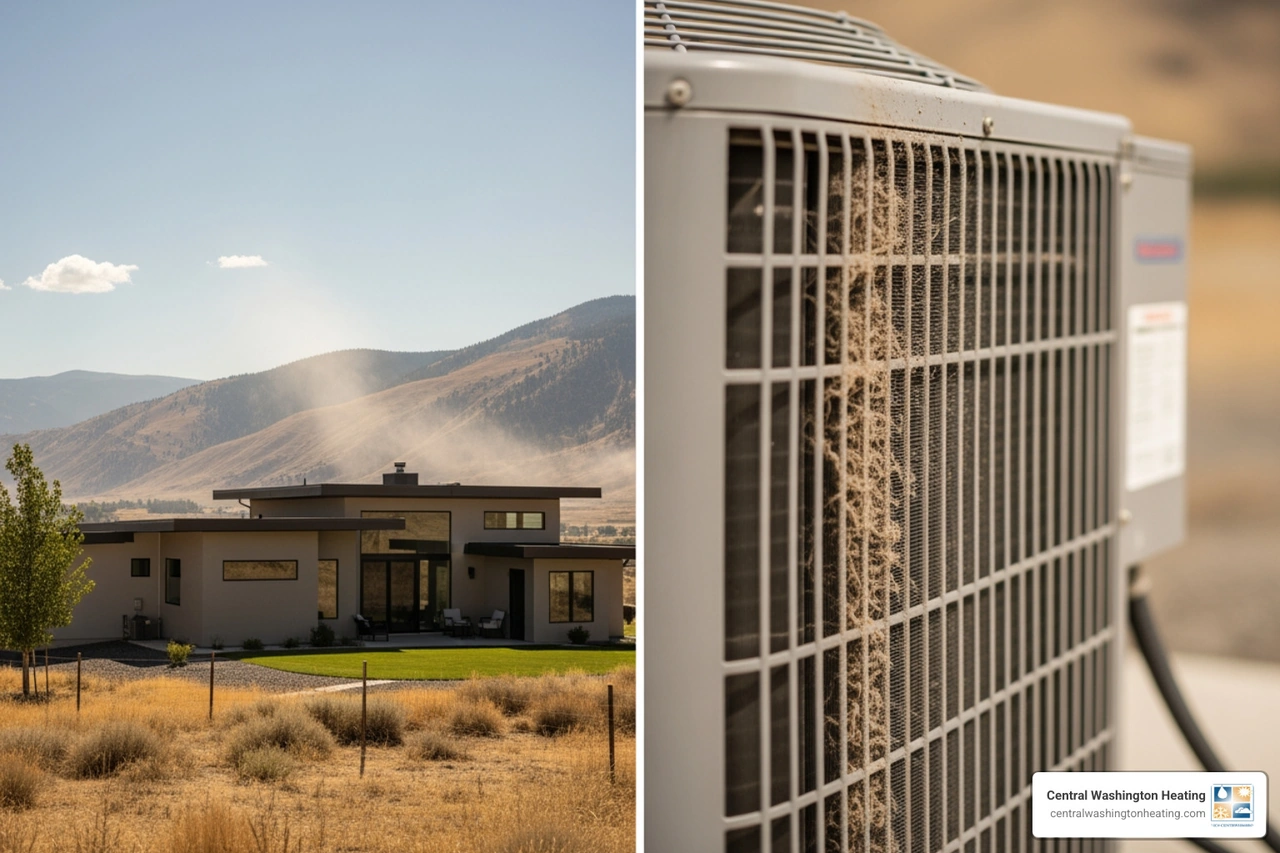
Our dry, windy summers naturally kick up agricultural dust from the orchards and surrounding hillsides. Additionally, late summer often brings wildfire smoke to our region. This fine particulate matter easily bypasses standard air filters if they are slightly worn or ill-fitting, settling directly onto your supply and return registers.
Because we experience distinct seasons — switching from our air conditioners in the hot summer months to our electric furnaces or electric heating systems in the winter — these particles have plenty of opportunities to settle and compact inside our ductwork. For a deeper look at how local air quality impacts your HVAC system, read about How Dirty Air Filters Destroy Your AC in Dusty Climates.
5 Steps to Keep Your AC Vents and Registers Clear
Now that we understand why clean vents are so important, let's dive into the practical steps to keep them pristine. This simple routine will help protect your indoor air quality and keep your system running smoothly.
Before you begin, gather these basic tools and materials:
- A screwdriver (flathead or Phillips, depending on your vent screws)
- A utility knife
- A vacuum with a brush attachment and a long crevice tool
- Warm water and mild dish soap
- A soft-bristled scrub brush or sponge
- Clean microfiber cloths
- A dust mask and protective eyewear (especially for ceiling vents)
Step 1: Shut Down the System and Prep the Area
Safety always comes first. Before you touch a single screw, turn off your HVAC system at the thermostat. This prevents the fan from kicking on while you are cleaning, which could pull loose dust deeper into your ductwork or blow debris directly into your face.
If you want to run through a few basic checks while your system is off, look over our AC Troubleshooting Tips Before Calling a Professional.
Once the system is completely shut down, place a drop cloth or an old bedsheet on the floor directly beneath any ceiling vents you plan to clean. This catches any falling dust bunnies and saves you from having to vacuum your carpets afterward. If you are cleaning ceiling vents, we highly recommend putting on your safety glasses and dust mask now.
Step 2: How to Keep Your AC Vents and Registers Clear Without Removing Covers
For your regular monthly maintenance, you do not need to take the vent covers off the walls or ceilings. How to keep your ac vents and registers clear on a routine basis simply involves a quick surface clean.
Take your vacuum cleaner and attach the soft dusting brush tool. Gently run the brush across the slats of the register to pull away loose dust, pet hair, and cobwebs. If you do not have a brush attachment, a dry microfiber cloth or a long-reach duster works beautifully. Avoid using wet wipes or damp rags during this quick phase, as mixing water with dry dust can create a muddy paste that gets trapped inside the small corners of the register.
Step 3: Remove and Deep Clean Removable Covers
Two to three times a year, your registers deserve a deep bath.
Use your screwdriver to carefully remove the screws holding the vent covers in place.
Pro Tip: If your home has been painted recently, the paint might have sealed the vent cover to the drywall. Do not pry it off forcefully, or you might tear your sheetrock! Instead, use a utility knife to gently score the painted seam around the edge of the register before pulling it away.
Once removed, take the metal or plastic covers to your kitchen sink or bathtub. Fill the basin with warm water and a few drops of mild dish soap. Let the registers soak for 10 to 15 minutes to loosen any sticky grime or oily kitchen residue. Scrub them gently with a soft brush, rinse thoroughly with clean water, and shake off the excess.
Crucial Step: Let the vent covers dry completely on a towel before you put them back up. Reinstalling damp covers will cause new dust to stick to them instantly, and it can lead to rust on metal registers.
Step 4: Vacuum the Duct Openings Gently
While your vent covers are off soaking, take advantage of the open access to clean the first few feet of your ductwork.
Attach the crevice tool to your vacuum. Gently insert the wand into the duct opening and vacuum up any loose dust, dirt, or construction debris settling near the register. Keep your movements gentle and shallow. Do not force the vacuum hose deep into the ductwork, as rough handling can puncture or tear flexible ducts, leading to hidden air leaks.
Step 5: Replace Your Air Filter and Reinstall Covers
Now that your vents and ducts are clean, it is the perfect time to check your system's air filter. Putting clean vent covers back onto a system with a clogged filter is like washing your car right before a dust storm — the restricted airflow will quickly make a mess of your hard work.
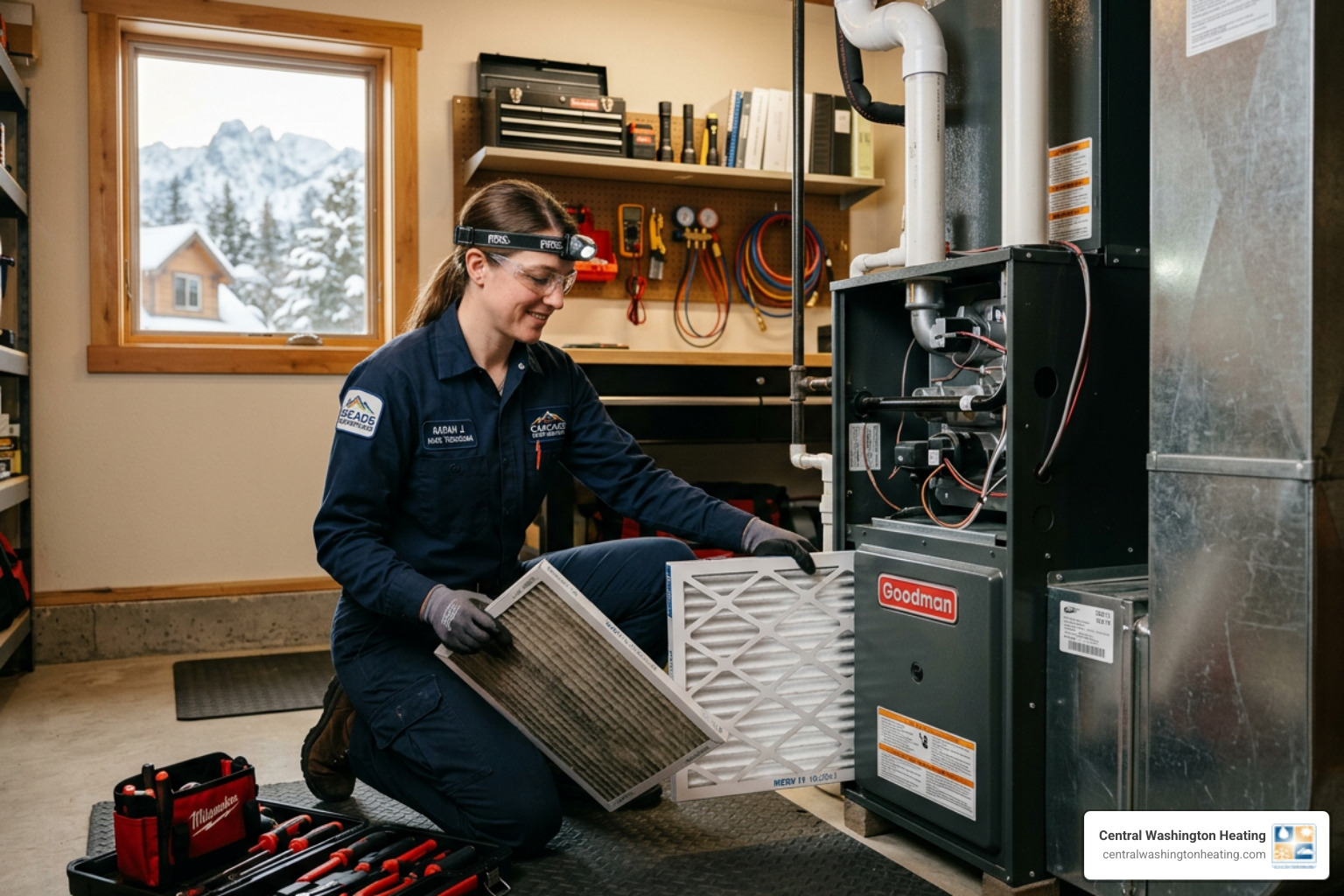
Check your filter's condition. If it is gray, dusty, or has been in use for more than 90 days, swap it out for a fresh one. For detailed instructions, see our guides on the AC Filter Change process and How to Check and Replace Your AC Air Filter.
Once your vent covers are 100% dry and your filter is fresh, screw the covers back into place. Be careful not to overtighten the screws, which can strip the drywall anchors or bend the metal frames. Turn your thermostat back to your desired cooling setting, and enjoy the clean, fresh airflow!
Best Practices for Preventing Dust and Debris Buildup
Keeping your vents clean is much easier when you take proactive steps to stop dust from gathering in the first place. A few simple adjustments to your household habits can make a dramatic difference.
| Feature | Ceiling Vents | Floor Vents |
|---|---|---|
| Primary Debris Type | Fine airborne dust, cobwebs, smoke residue | Heavy dirt, pet hair, dropped toys, crumbs |
| Gravity Impact | Gravity pulls loose dust out into the room | Gravity pulls heavy debris down into the duct |
| Cleaning Frequency | Every 6 months (deep clean) | Every 3 months (deep clean) |
| Safety Equipment | Eye protection and mask highly recommended | Standard household gloves |
| Common Obstruction | Hanging curtains, tall bookshelves | Rugs, sofas, pet beds |
Ceiling Vents vs. Floor Vents: Maintenance Differences
As shown in the table above, ceiling and floor vents face very different challenges.
Floor vents act like gravity-fed dust magnets. Every time you sweep, vacuum, or walk across the room, heavy particles of dirt, pet hair, and food crumbs naturally settle toward the floor and slip through the grates. If you have kids, floor registers are also prime targets for small toys and crayons. Because of this, floor vents require more frequent deep cleaning and vacuuming.
Ceiling vents, on the other hand, rarely collect heavy debris. Instead, they trap lighter, airborne particles that rise with warm air. When cleaning ceiling vents, always remember that whatever dust you loosen will fall straight down. Protecting your eyes and mouth is key to a comfortable cleaning experience.
Regardless of where your vents are located, having a high-quality filter in your system is your first line of defense. Learn more about choosing the right filtration level in our article, Why You Need a Good Air Filter.
Proactive Habits for Long-Term Airflow
To keep your air flowing freely between cleanings, implement these simple home habits:
- Maintain the 18-Inch Rule: Keep furniture, drapes, rugs, and large toy boxes at least 18 inches away from all supply and return registers. Blocking a vent with a couch forces your AC to work harder and ruins the temperature balance in that room.
- Regular Pet Grooming: If you have furry family members, brushing them regularly keeps shedding hair out of your air streams.
- Use Doormats: Place high-quality mats at every entrance to your home to trap dirt before it can be tracked inside and pulled into your return vents.
- Run the Vacuum Regularly: Vacuuming your carpets and dusting hard surfaces once or twice a week keeps the total volume of airborne dust low.
Frequently Asked Questions About Vent Maintenance
How often should I clean my vents and registers?
For most homes in the Wenatchee area, we recommend a quick surface dusting of your vent covers once a month. Plan to remove the covers for a deep soapy wash twice a year — ideally in the spring before the cooling season starts, and again in the fall before you turn on your electric heating system.
If you have multiple shedding pets, suffer from seasonal allergies, or live near active agricultural areas, you may want to increase this schedule to a deep clean every three months.
What is the easiest way to keep your ac vents and registers clear of mold?
Moisture control is the secret to preventing mold and mildew growth. When warm, humid air meets the cold metal of an AC vent, condensation can form. If dust is present on that damp metal, mold spores have the perfect environment to grow.
To prevent this, wipe down your dry vent covers with a diluted white vinegar solution during your seasonal deep cleans. Vinegar is a natural, safe disinfectant that kills mold spores. Additionally, ensure your home's indoor humidity stays balanced by running your air conditioner regularly during humid stretches, and immediately address any plumbing or roof leaks that could introduce moisture to your ductwork.
When should I call a professional instead of cleaning vents myself?
While cleaning your registers and vacuuming the first few feet of your ducts is a great DIY task, there are times when you should leave the job to the experts. We recommend calling a professional if:
- You see substantial, fuzzy mold growth inside your metal ductwork.
- You suspect a rodent or insect infestation inside your vents.
- You notice disconnected, crushed, or collapsed flex ducts in your crawlspace or attic.
- Your home has recently undergone a major remodeling project, which can fill the deep runs of your ductwork with heavy drywall dust and sawdust.
Conclusion
Keeping your AC vents and registers clear is a simple, highly effective way to protect your home's comfort, preserve your indoor air quality, and keep your energy bills in check. By following this easy five-step cleaning routine and practicing smart preventative habits, you will support your air conditioner through the hottest summer days and keep your electric heating system running efficiently all winter long.
If you have cleaned your vents but are still dealing with weak airflow, uneven temperatures, or unusual noises, our team is here to help. With more than 30 years of trusted HVAC expertise across the Wenatchee Valley, we can inspect your ductwork, perform static pressure diagnostics, and ensure your system is perfectly tuned for the seasons ahead.
Ready to schedule your seasonal maintenance? Request professional AC maintenance in Wenatchee, WA today!
Latest Insights and Tips















































.svg)


.svg)


