Most Common AC Repairs and What Causes Them
Most Common AC Repairs and What Causes Them
My AC isn't cooling my home in Wenatchee. What are the most common AC repairs and what causes them?
When the heat hits the Wenatchee Valley in 2026, your air conditioner quickly becomes one of the most important systems in your home. Unfortunately, that is also when hidden AC problems tend to show up. Most repair calls in Wenatchee, East Wenatchee, Cashmere, Leavenworth, and nearby areas fall into a few common categories. Knowing the warning signs early can help you avoid a full breakdown and restore comfort faster.
Dirty or Clogged Air Filter Problems Are Among the Most Common AC Repairs and What Causes Them
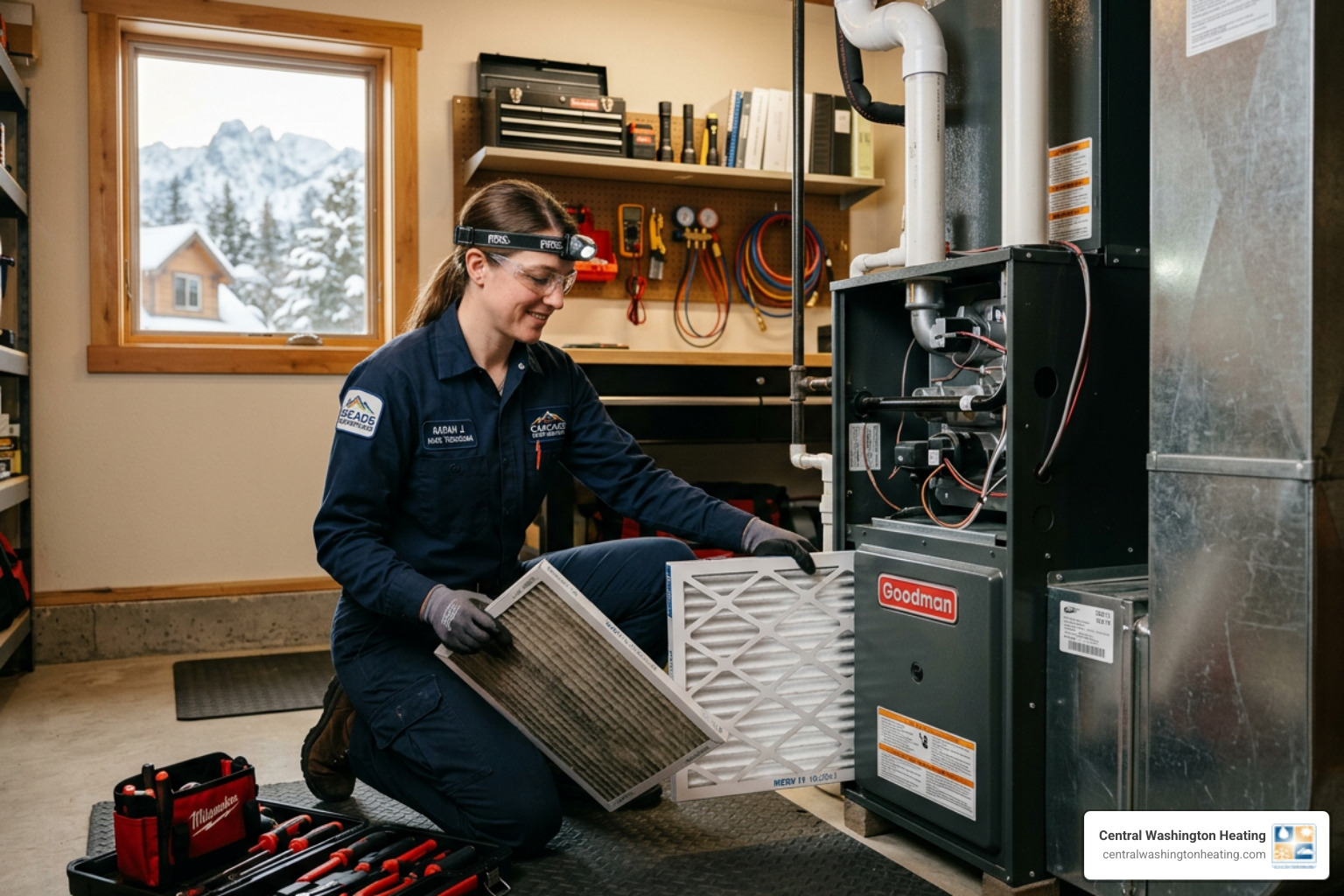
It might seem simple, but the air filter plays a major role in system performance. A dirty filter is one of the most common reasons for AC constantly running but not cooling. When the filter fills with dust, pet hair, or seasonal smoke residue, your blower has to work harder to move air through the system.
That restricted airflow can start a chain reaction. With less warm air moving across the evaporator coil, the coil temperature can drop too low and lead to AC freezing up. If you notice weak airflow from your vents or an AC that runs for long periods without catching up, the filter is one of the first things to check.
Capacitor and Contactor Failure Are Some of the Most Common AC Repairs and What Causes Them
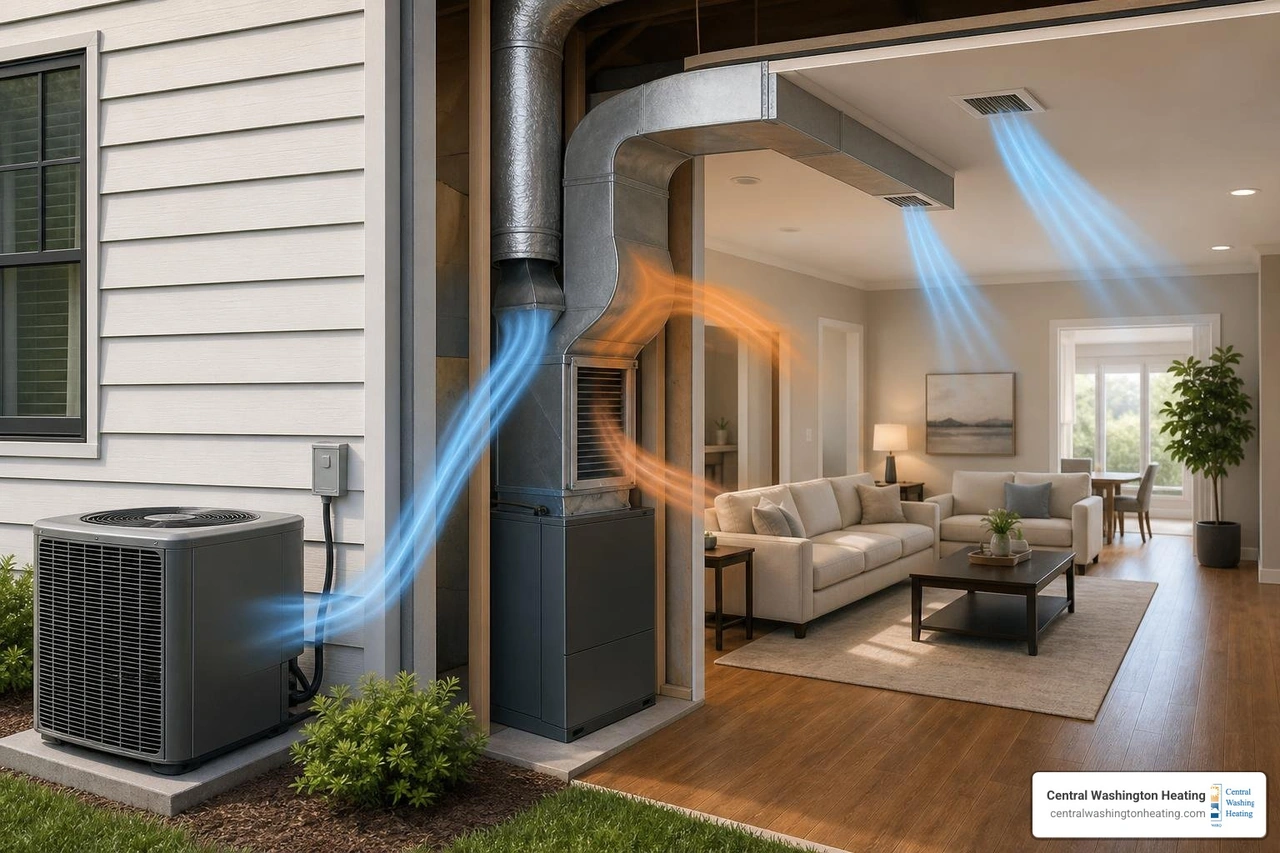
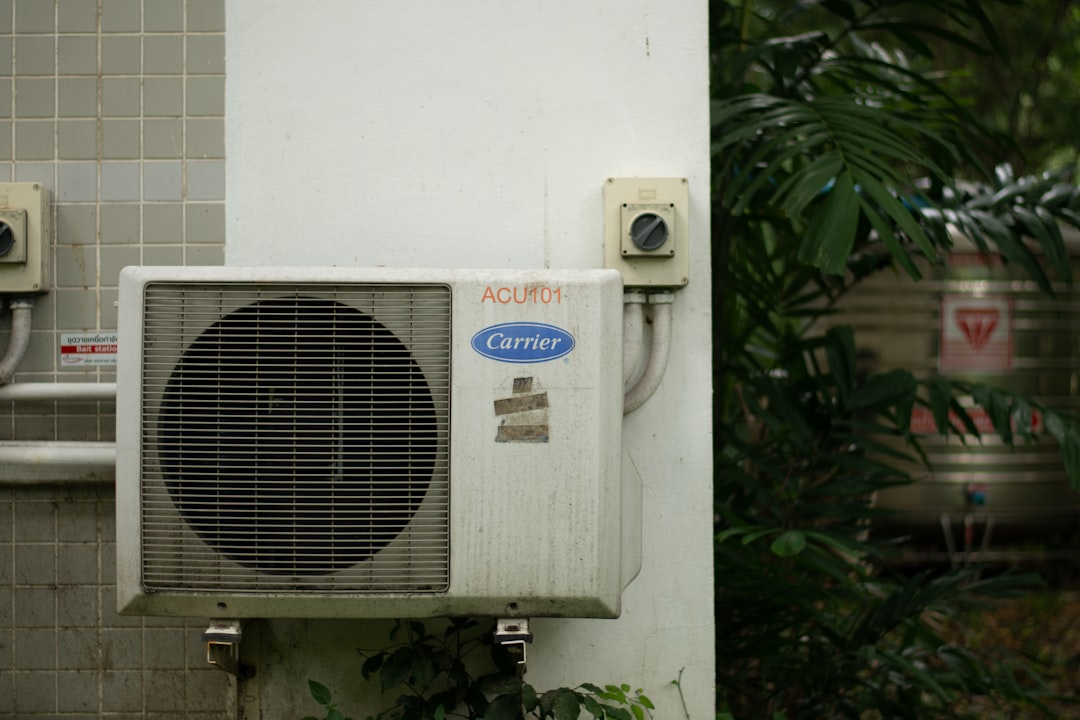
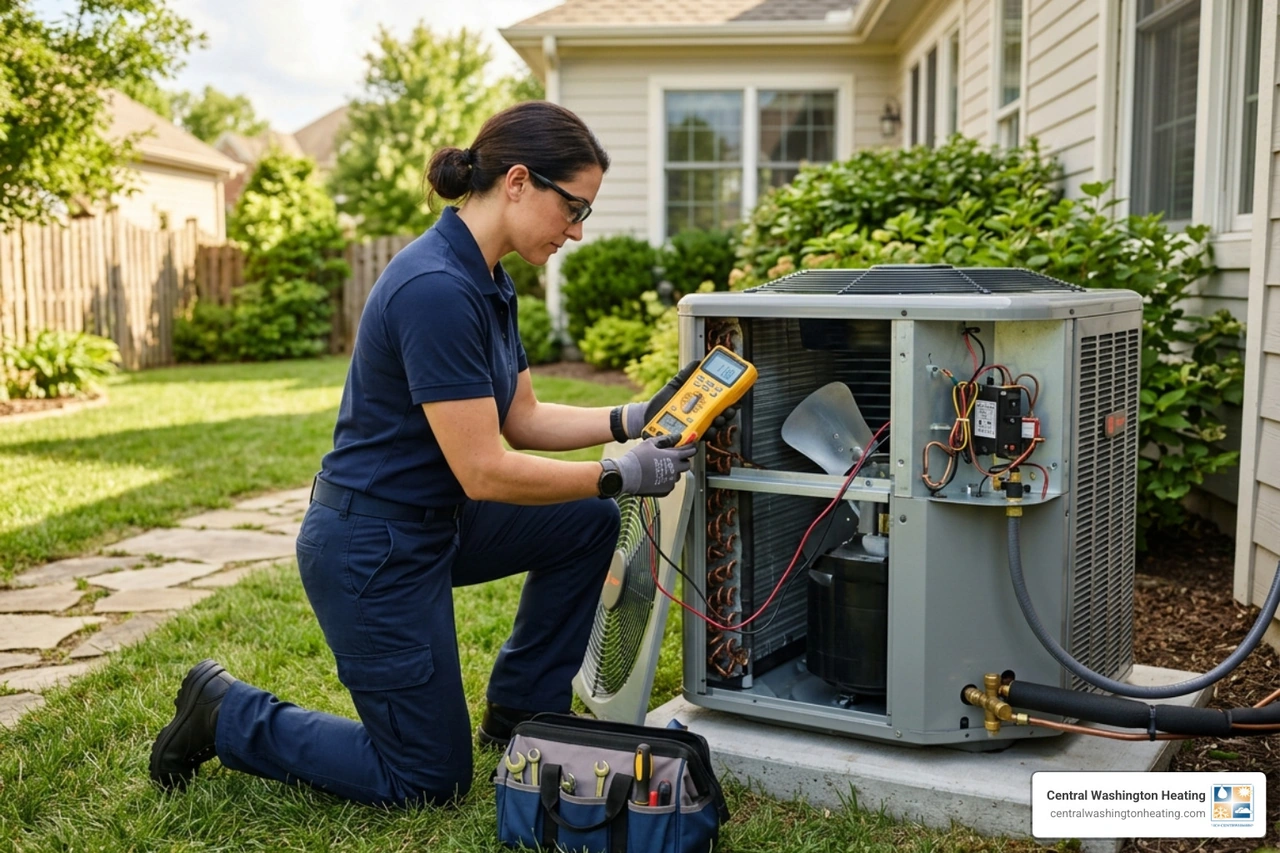
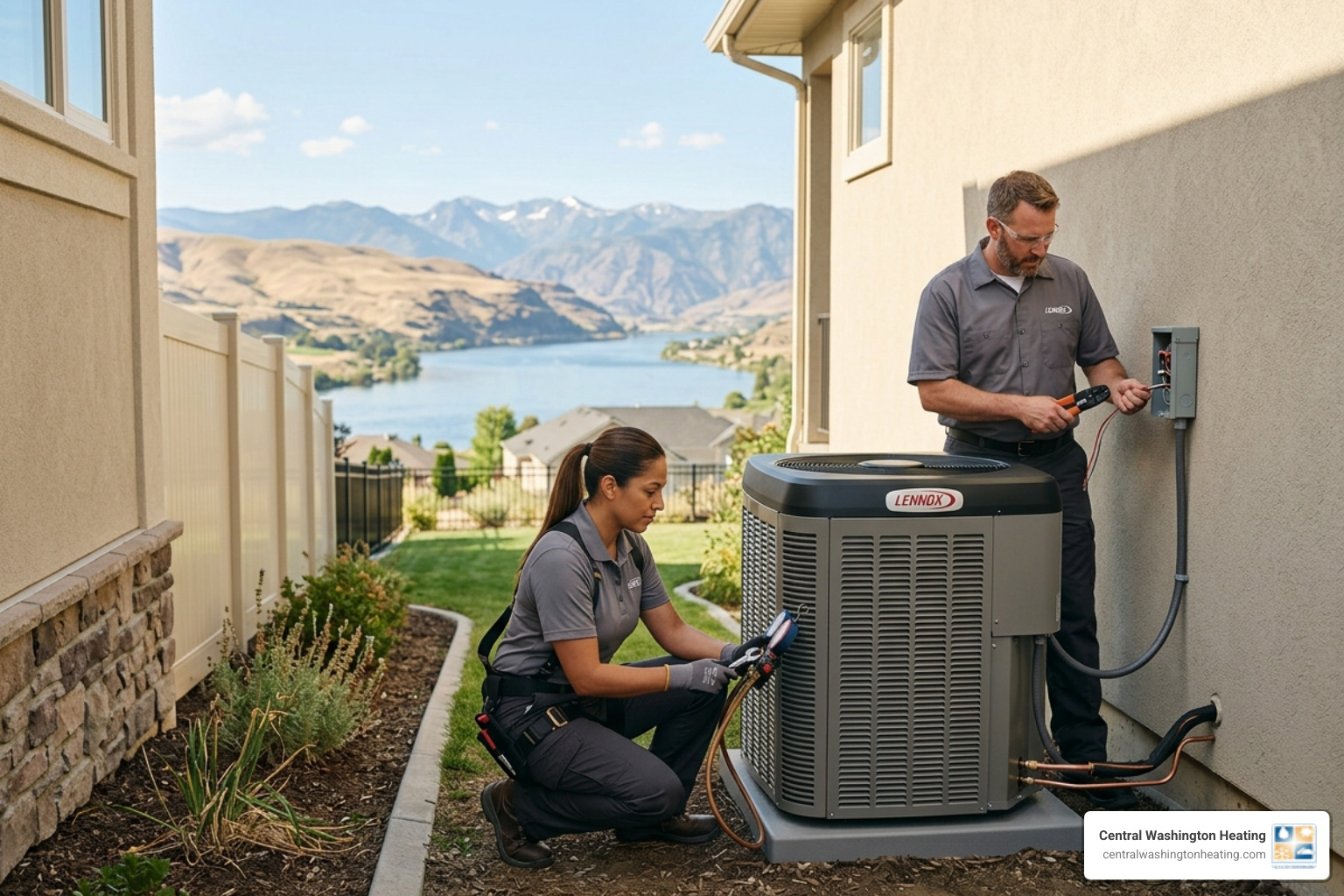
Electrical components like capacitors and contactors help your AC start and run properly. A capacitor provides the boost needed for motors to start, while the contactor switches power to the outdoor unit. Because these parts are exposed to heat stress and repeated cycling, AC capacitor replacement is a very common repair.
If you hear clicking or buzzing from the outdoor unit but the fan does not spin, a failed capacitor or worn contactor may be the cause. Ignoring an AC making strange noises can eventually lead to bigger electrical or motor problems.
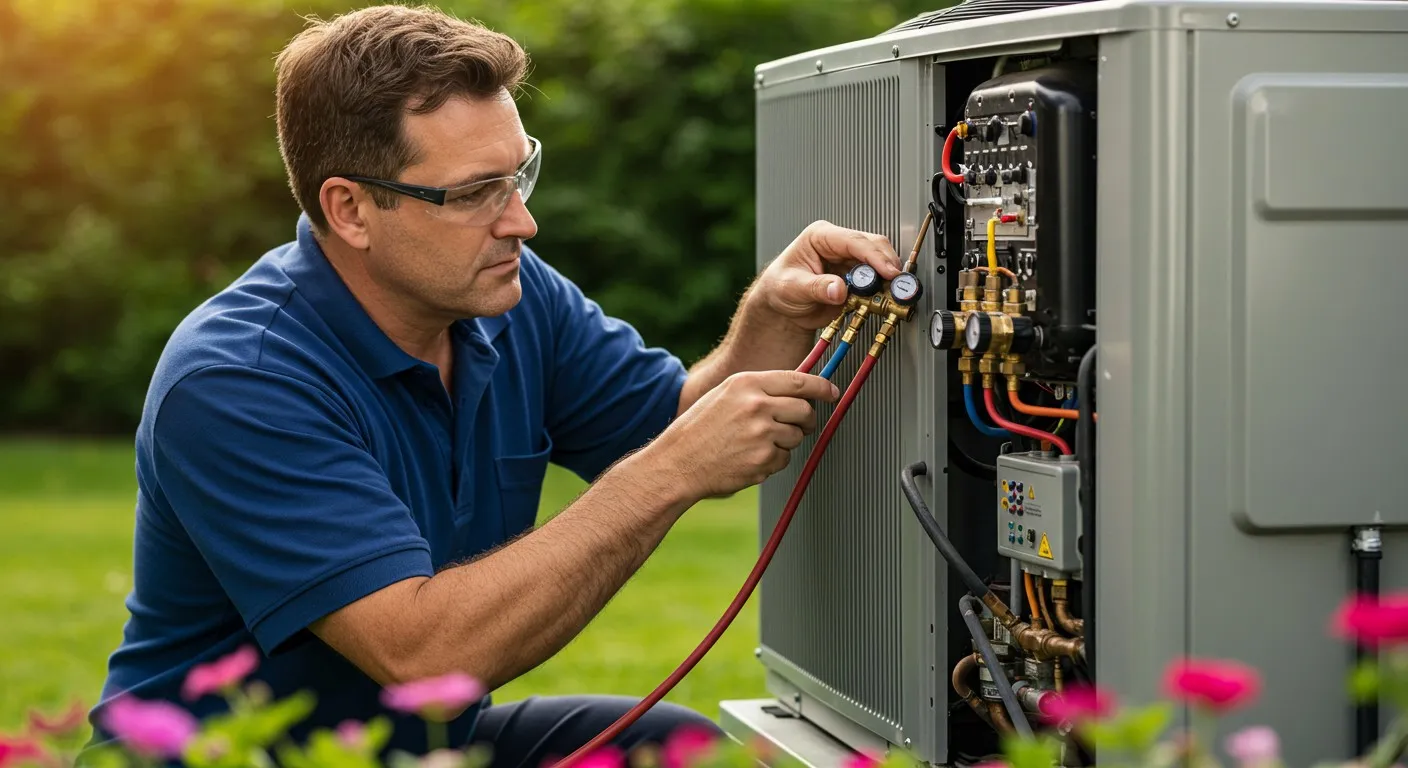
Refrigerant Leaks Reduce Cooling and Can Damage the Compressor
Your AC does not consume refrigerant during normal operation. It circulates refrigerant in a sealed system, so if levels are low, there is usually a leak somewhere. This is a common reason for an AC blowing warm air. Leaks can develop from small pinholes in copper coils or from long-term vibration at line connections.
Common signs include a hissing sound, ice buildup on refrigerant lines, and a home that struggles to cool even though the system keeps running. For more detail, see our AC refrigerant leak complete guide. The leak needs to be found and repaired rather than repeatedly adding refrigerant, because low charge can place heavy strain on the compressor.
Frozen Evaporator Coils Happen When Airflow or Refrigerant Problems Are Ignored
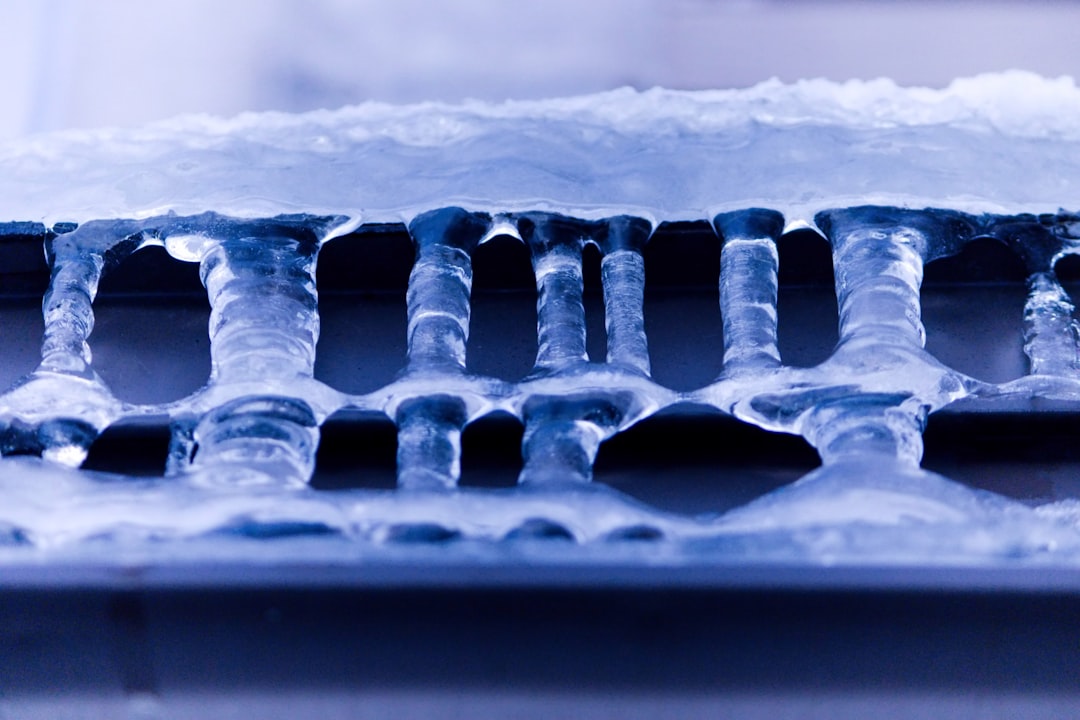
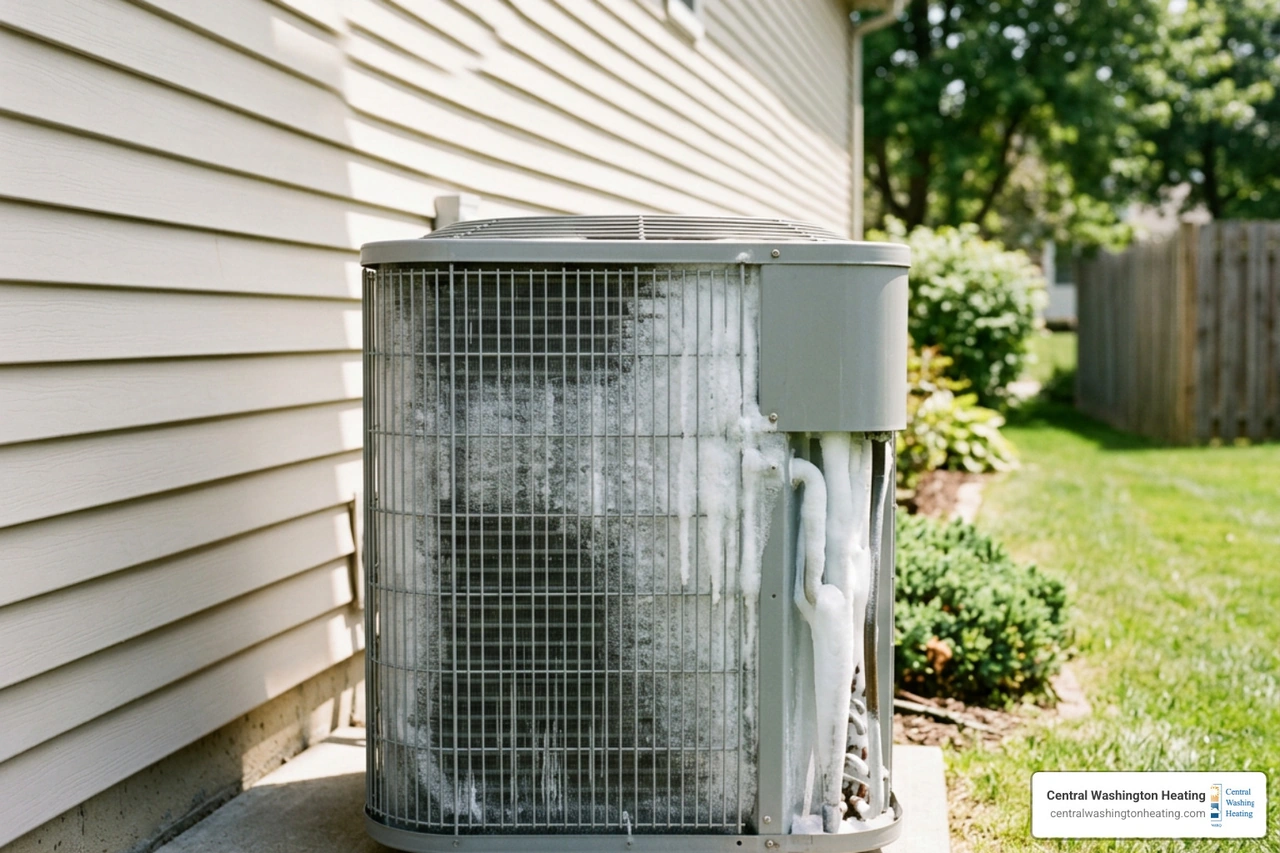
The evaporator coil is located inside your home, usually near the electric furnace or air handler, and it absorbs heat from indoor air. If airflow is blocked by a dirty filter, closed vents, or blower issues, or if refrigerant is low, the coil can get too cold and moisture in the air can freeze on it.

Once ice forms, cooling performance drops quickly. If you see ice on the indoor unit or refrigerant lines, turn the system off and let it thaw. Continuing to run a system that is AC freezing up can damage major components.
Drainage Clogs and Condensate Line Backups Cause Leaks and Shutdowns
As your AC cools the air, it also removes moisture. That water drains through a condensate line. Over time, algae, mold, and dust can build up inside the pipe and create a blockage.
When the line clogs, water can back up into the drain pan and overflow onto the floor or ceiling. Many newer systems include a float switch that shuts the AC off when water rises too high. If your AC suddenly stops and you notice water near the indoor unit, a clogged condensate drain is a likely cause.

Thermostat Problems Can Mimic Major AC Failure
Sometimes the AC equipment is not the main issue. The thermostat may be causing the problem instead. Dead batteries, incorrect settings, a faulty sensor, or direct sunlight on the thermostat can all cause erratic operation.
A thermostat problem may cause short cycling, where the AC starts and stops too often without properly cooling the home. Before assuming you have a major mechanical failure, AC thermostat repair or recalibration may be all that is needed.
Fan Motor and Airflow Component Failures Lead to Overheating
Your AC relies on two main fans: the indoor blower and the outdoor condenser fan. The outdoor fan helps move heat away from the condenser coil. If that motor fails because of age, wear, or debris, the system can overheat and shut down.
If you notice little or no airflow from your vents, or you hear grinding or squealing sounds, a motor or airflow component may be struggling. Our guide on AC condenser fan motor failure signs solutions explains how these parts affect comfort and system reliability.
If your AC is not cooling properly in Wenatchee, East Wenatchee, or Leavenworth, Central Washington Heating and Air is here to help. With more than 30 years of trusted HVAC experience across the valley, our family- and veteran-owned team provides dependable diagnostics, repairs, and maintenance for long-term comfort. Request Service Today.
What Causes AC Breakdowns to Get Worse Fast
Small issues in an HVAC system rarely stay small. In the dry, dusty climate of Central Washington, environmental factors can accelerate wear and tear.
- Neglected Maintenance: Skipping a spring tune-up allows dust to insulate coils and electrical connections to loosen.
- Frequent Cycling: If your system turns on and off too often, it creates electrical arcing and pitting on the contactors.
- Corrosion and Vibration: Small movements in the unit can eventually lead to cracked joints in the refrigerant lines.
- Improper Sizing: A system that is too large for your home (oversized) will short cycle constantly, while an undersized system will run forever without reaching the set temperature. Both lead to premature part failure.
How Dirty Filters Lead to Frozen Coils, Short Cycling, and System Failure
When airflow is restricted by a dirty filter, the evaporator coil doesn't have enough heat to "absorb." The temperature of the coil drops below freezing, and any humidity in the air turns to frost. This frost eventually becomes a block of ice.
Beyond the ice, a clogged filter forces the blower motor to draw more electricity, leading to overheating. This extra strain can cause the AC circuit breaker keeps tripping. Using a filter with a MERV rating that is too high for your specific system can actually cause the same problems as a dirty filter by restricting airflow too much.
Why Topping Off Refrigerant Is Not a Real Fix
If a technician suggests "topping off" your refrigerant every year without finding the leak, they are doing you a disservice. AC systems are sealed; the only way refrigerant leaves is through a hole.
Topping it off is like putting air in a tire with a nail in it—it's only a matter of time before it's flat again. Furthermore, running a system with an improper charge can damage the compressor valves, leading to a much more expensive replacement later. Always insist on a proper leak search and repair.
How Electrical Issues Affect AC Performance and Reliability
Electrical failures are often the result of "pitted" contacts or loose wiring. When a contactor gets old, the electrical connection isn't clean, which causes heat to build up. This heat can melt wire insulation or cause the AC circuit breaker keeps tripping. Regular inspections of the control board and capacitors can catch these "arcing" issues before they leave you in the heat.
Short Cycling, Drainage Issues, and Other Signs You Should Not Ignore
Your AC has its own way of "talking" to you. If you notice any of the following, it’s time to investigate.
| Symptom | Likely Cause |
|---|---|
| System turns on/off every 5 mins | Short cycling (Thermostat, Capacitor, or Oversized unit) |
| Water pooling around indoor unit | Clogged condensate drain or frozen coil |
| Musty, "dirty sock" smell | Mold in the drain pan or on the coils |
| Warm air from vents | Refrigerant leak or compressor failure |
| Hissing or bubbling noise | Refrigerant leak |
| Banging or rattling | Loose fan blade or motor mount |
Why Short Cycling Happens and the Risks of Ignoring It
Short cycling is incredibly hard on your AC. Most of the wear and tear on a compressor happens during the first 60 seconds of startup. If your system is starting up 10 times an hour instead of 2 or 3, you are effectively cutting its lifespan in half. Common causes include a failing start capacitor, an oversized unit, or even a thermostat that is located too close to a cooling vent.
Signs of a Clogged Condensate Line or Drainage Problem
In the Wenatchee Valley, we often see "bio-growth" (algae) in drain lines. If you smell a musty odor when the AC turns on, or if you see water stains on the floor near your air handler, your drain is likely blocked. If your system has a safety float switch, the AC will simply stop working entirely until the water is cleared.
Noises, Smells, and Airflow Changes That Point to Repair Needs
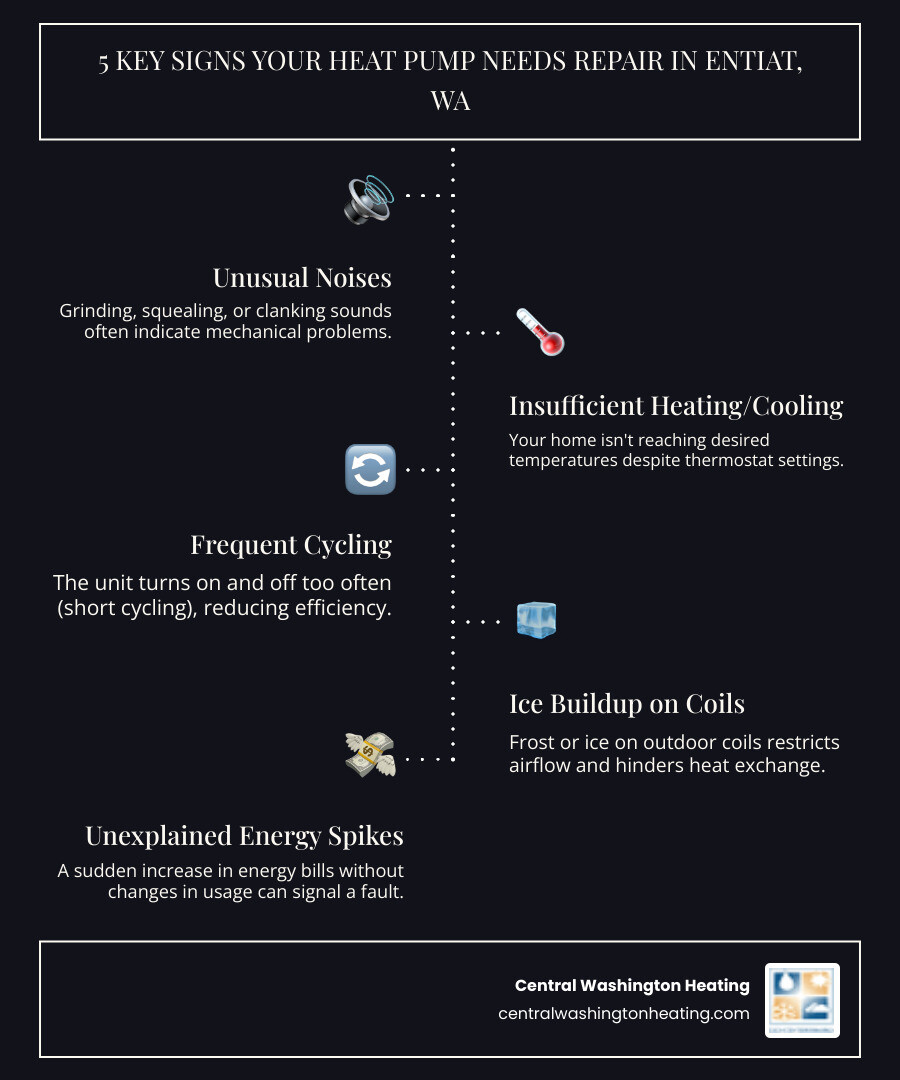
Don't ignore the "new" sounds your system makes. A buzzing sound often points to electrical issues, while a squealing sound usually means a belt or motor bearing is failing. If you notice a burning smell, shut the power off at the breaker immediately—this indicates an electrical component is overheating. Check our Signs your AC needs repair guide for more details on what to listen and look for.
How Regular Maintenance and Proper Sizing Prevent Frequent AC Repairs
The best repair is the one you can avoid. In our experience, air conditioners that receive regular seasonal service tend to run more reliably and last longer than neglected systems.
Maintenance Habits That Prevent the Biggest Repair Calls
- Monthly Filter Checks: In dusty areas like Cashmere or Malaga, check your filter every 30 days during heavy use. Replace it if it looks gray or loaded with debris.
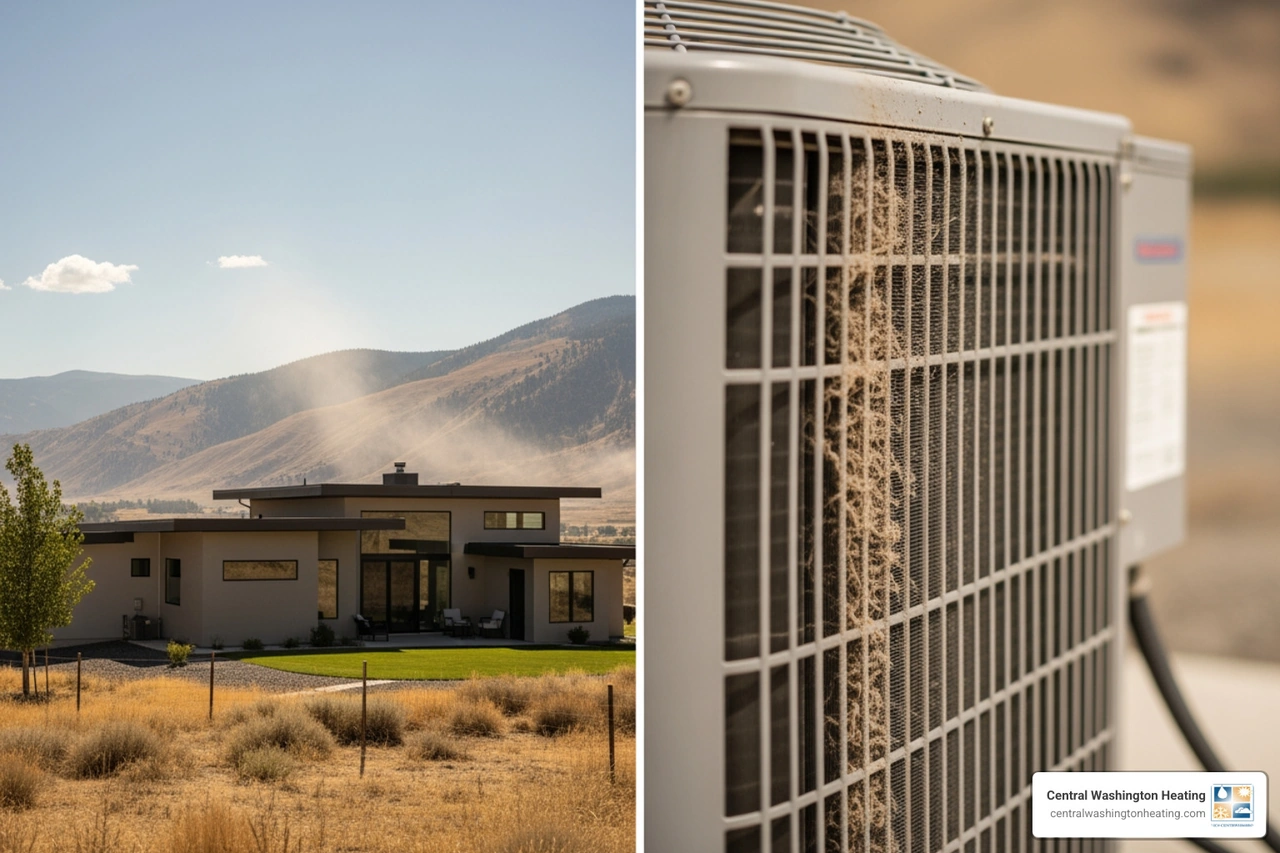
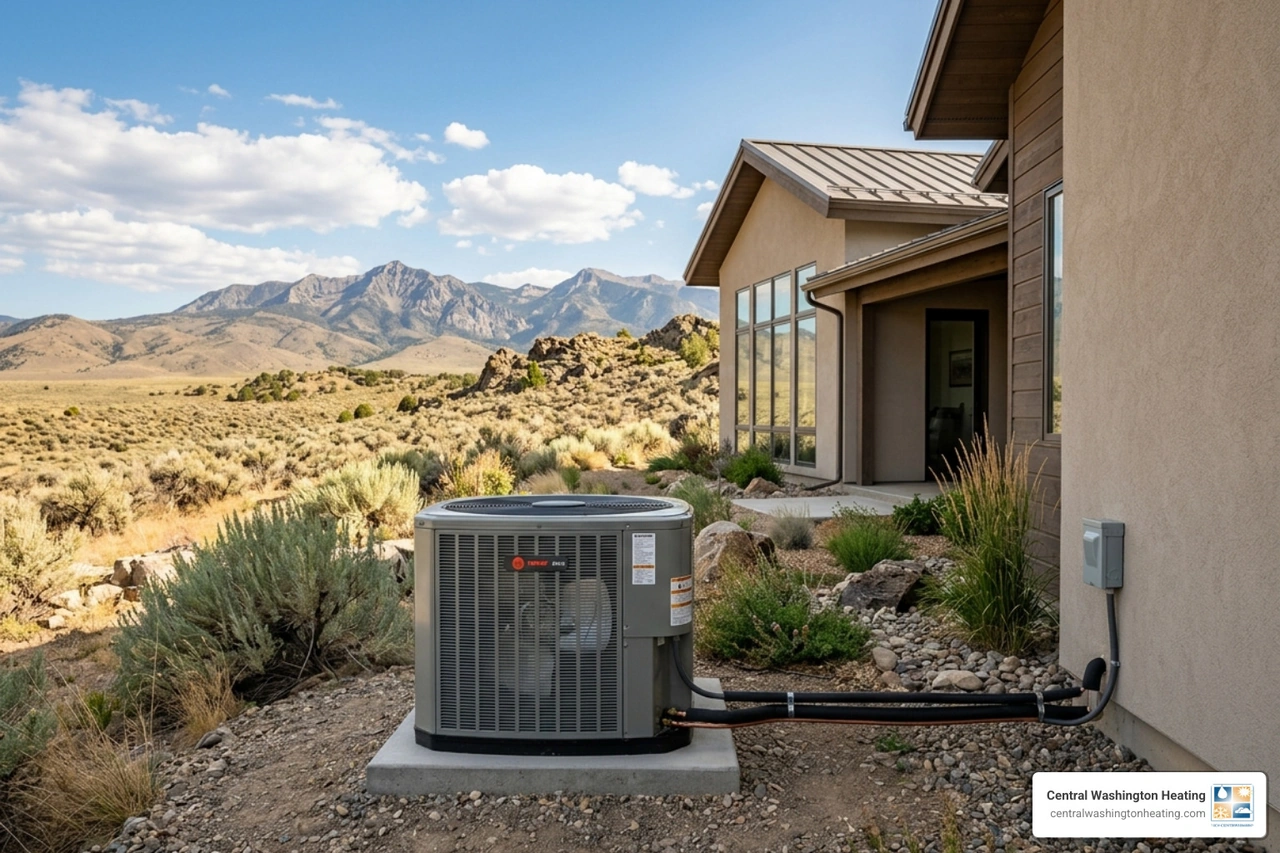
- Clear the Outdoor Unit: Keep at least two feet of clearance around the condenser. Remove weeds, leaves, and anything else that can block airflow.
- Drain Line Flush: A simple condensate line flush during cooling season can help reduce algae buildup and drainage clogs.
- Professional Tune-Up: A licensed technician can inspect electrical components, test capacitors and contactors, verify airflow, and catch small issues before they interrupt your comfort.
Why Proper System Sizing Matters for Comfort and Fewer Breakdowns
If your AC was not sized correctly using a load calculation, it may be more prone to repeat issues. An oversized unit can short cycle, while an undersized unit may run constantly and still struggle to keep up. Both conditions can increase wear on major parts and make your home less comfortable.
Central Washington Heating and Air helps homeowners across Wenatchee, East Wenatchee, Chelan, and nearby communities keep their systems running quietly and efficiently with professional maintenance and dependable service. Request Service Today.
When to Try a Simple Check and When to Call a Professional
Before you pick up the phone, there are a few safe "first checks" you can perform.
Safe Homeowner Checks:
- Check the Thermostat: Is it set to "Cool" and "Auto"? Are the batteries fresh?
- Inspect the Filter: If it's clogged, replace it and see if airflow improves.
- Check the Breaker: If the AC won't turn on, check your electrical panel. If it's tripped, reset it once. If it trips again, do not reset it—call a pro.
- Clear Debris: Make sure no tall grass or bushes are choking the outdoor unit.
When to Call a Professional:
- Refrigerant Issues: Handling refrigerant requires specialized training and equipment. Never attempt to "patch" a leak yourself.
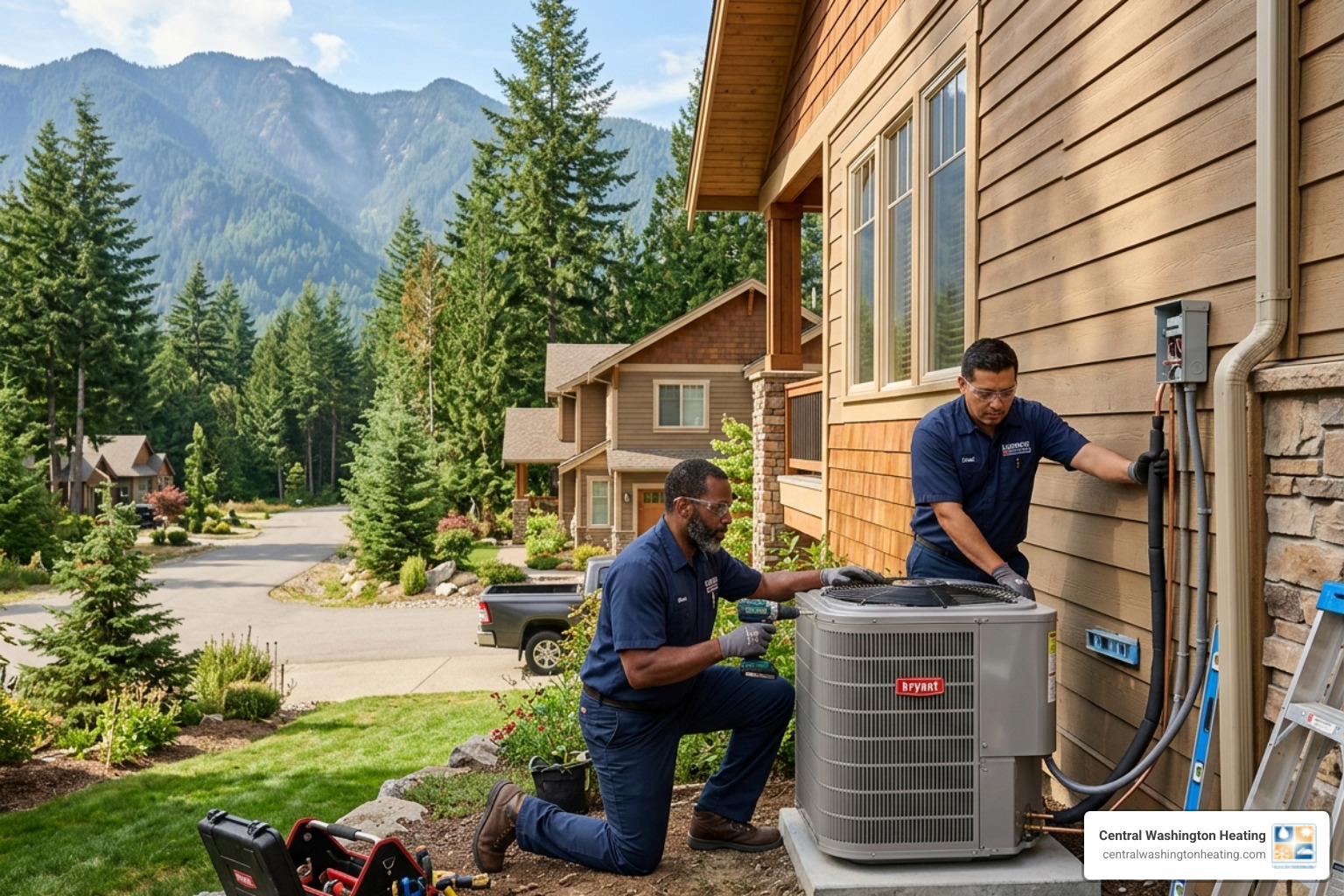
- Electrical Failures: High-voltage components can be dangerous. If a capacitor is blown or a wire is burnt, let a licensed technician handle it.
- Frozen Coils: While you can thaw them, a professional needs to find out why they froze to prevent it from happening again.
- Strange Noises: Mechanical failures in the compressor or motors require specialized tools to diagnose.
Final Thoughts on Avoiding Repeat AC Repairs
Your home comfort should not be a guessing game. By understanding the most common AC repairs and what causes them, you can catch warning signs early and help prevent a minor issue from turning into a major breakdown.
Central Washington Heating and Air has spent more than 30 years serving homeowners across Wenatchee, East Wenatchee, Leavenworth, Cashmere, Chelan, Entiat, and nearby towns with reliable HVAC solutions. As a family- and veteran-owned company, we focus on dependable service, quality workmanship, and long-term comfort.
Whether your AC is blowing warm air, short cycling, freezing up, or making unusual noises, our team is ready to help.
Don't wait for the next heatwave to find out your AC has a problem.
Request Service Today to schedule service.
Latest Insights and Tips





















.svg)


.svg)


