Ultimate Checklist for Capacitor Failure Why It Is the Most Common AC Repair
Ultimate Checklist for Capacitor Failure Why It Is the Most Common AC Repair
Why Capacitor Failure Is the Most Common AC Repair — and What It Means for Your Home
Capacitor failure why it is the most common AC repair is something every Central Washington homeowner deserves to understand before their system stops working on the hottest day of a Wenatchee summer.
Here is a quick answer if that is all you need right now:
Why is capacitor failure the most common AC repair?
- Capacitors are small, heat-sensitive components that work hard every single time your AC starts up
- They are exposed to extreme heat inside the outdoor unit — often exceeding 150°F on hot summer days
- Power surges and voltage fluctuations wear them down faster than most other parts
- They have a limited lifespan of roughly 5 to 10 years, and in hot climates they often fail sooner
- When a capacitor weakens, the compressor and fan motors struggle to start, placing stress on the entire system
- Capacitor problems account for roughly 30% of all AC service calls — more than any other single component
That is the short version. But if your AC is humming without starting, blowing warm air, or shutting off unexpectedly during peak heat, a failing capacitor is often the reason — and ignoring it can lead to much more expensive damage down the line.
In June 2026, as Central Washington heads into another warm season, knowing the signs of a failing capacitor and acting quickly can be the difference between a straightforward repair and a full compressor replacement.
What is an AC Capacitor and How Does It Work?
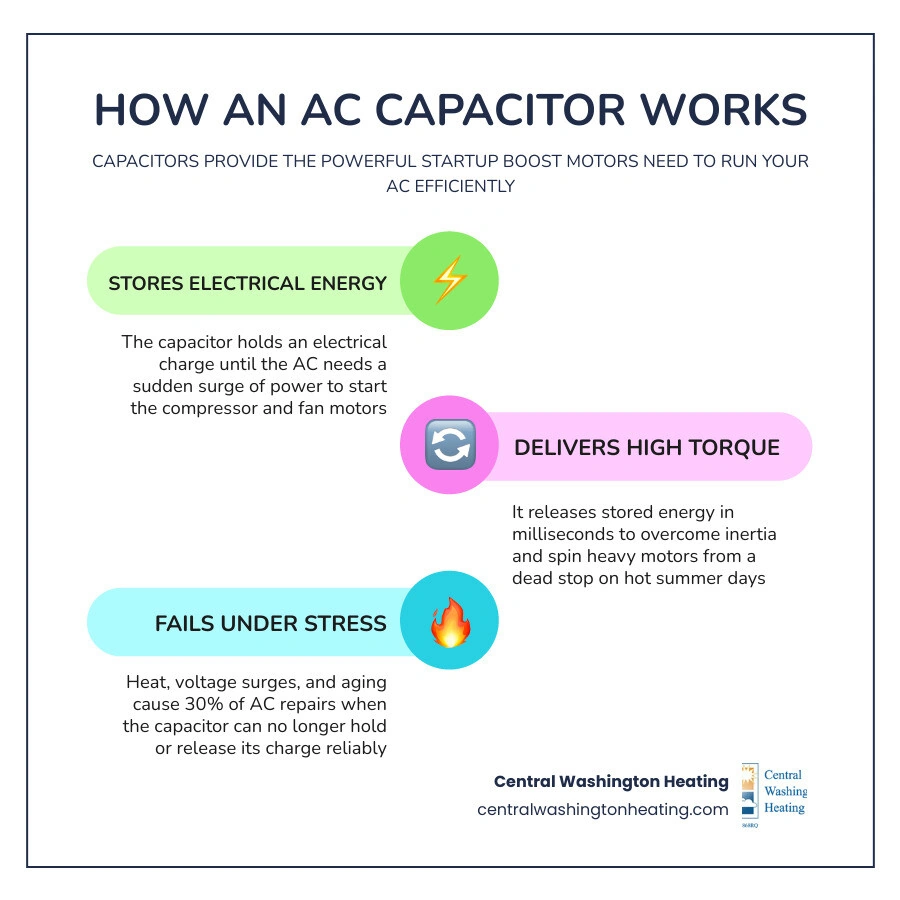
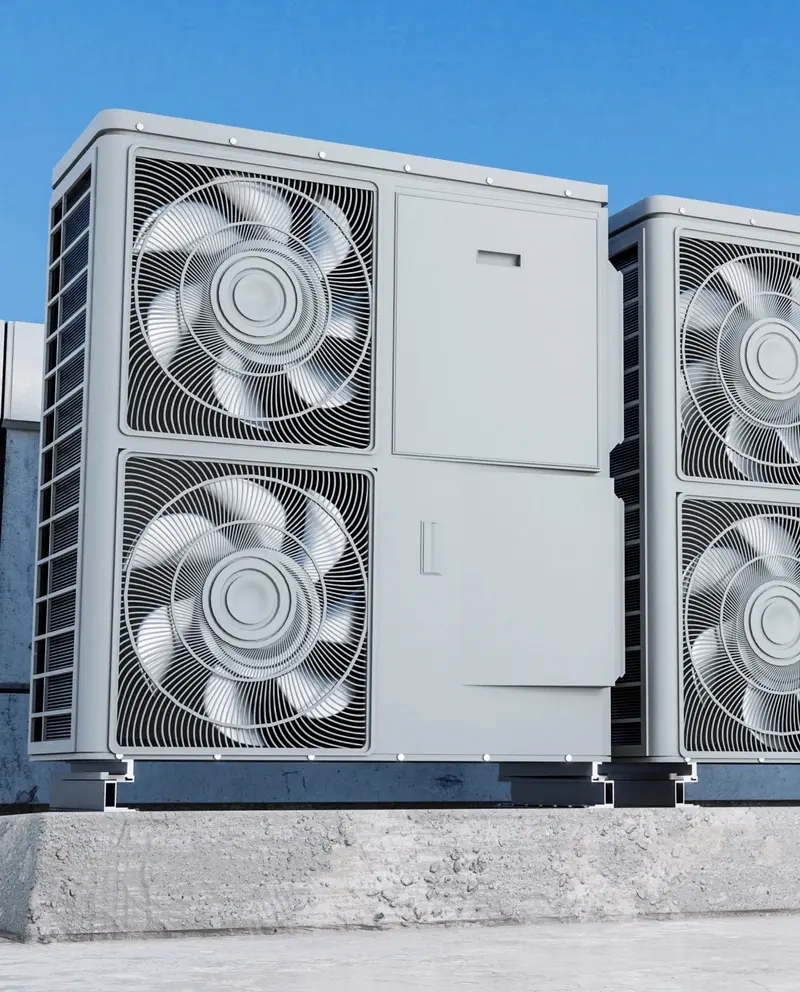
To understand why this tiny component causes so many headaches, we first have to understand what it actually does. Think of your air conditioner's outdoor condenser unit as a high-performance vehicle. The compressor and the fan motors are the heavy-duty engines under the hood. However, these motors require an enormous amount of electrical torque to start spinning from a dead stop—far more energy than your home’s standard electrical wiring can deliver in a single instant.
This is where the AC capacitor comes in. Acting like a temporary storage battery or a high-powered "spark plug," the capacitor stores up electrical charge and releases it in a massive, concentrated jolt to kick-start the motors.
Inside the capacitor, the construction is relatively simple but highly sensitive. It consists of thin conducting metal plates separated by an insulating material called a dielectric (often compared to an ice cream sandwich, where the metal plates are the wafers and the dielectric is the sweet filling). This design allows it to hold a significant electrical charge until the system calls for a cooling cycle.
In modern residential cooling systems, you will typically encounter three distinct types of capacitors:
- Start Capacitors: These provide the initial high-torque electrical "kick" needed to get the heavy compressor motor moving. Once the motor reaches about 75% of its operating speed, the start capacitor drops out of the circuit to prevent overheating.
- Run Capacitors: These stay active throughout the entire cooling cycle. They provide a continuous, stable phase-shifted voltage that keeps the compressor and outdoor fan motor running smoothly and efficiently.
- Dual Run Capacitors: Most modern residential air conditioners use a single dual run capacitor. This clever device combines both start and run functions for the compressor and the outdoor fan motor into one compact, cylindrical metal canister. It has three terminals on top, typically labeled "HERM" (for the compressor), "FAN" (for the condenser fan), and "C" (for the common wire).
Every capacitor is rated by its electrical capacity, measured in microfarads (µF), and its maximum voltage limit (usually 370V or 440V). If the actual capacitance of the unit drops by even 10% below its rated microfarads, the motors will struggle to operate. When this happens, a professional AC Capacitor Replacement is necessary to restore your system to safe operating conditions.
Capacitor Failure Why It Is the Most Common AC Repair
Ask any seasoned HVAC technician in East Wenatchee, Leavenworth, or Chelan what part they replace most often during a scorching July heatwave, and they will tell you the same thing: the capacitor. Industry statistics show that capacitor issues account for roughly 30% of all AC service calls. In fact, during peak summer, nearly 7 out of 10 emergency cooling repairs involve a blown or degraded capacitor.
But capacitor failure why it is the most common AC repair is not a design flaw; it is a natural consequence of physics and environmental stress. These components are the undisputed "weakest link" in your air conditioning system for several key reasons:
Extreme Thermal Stress
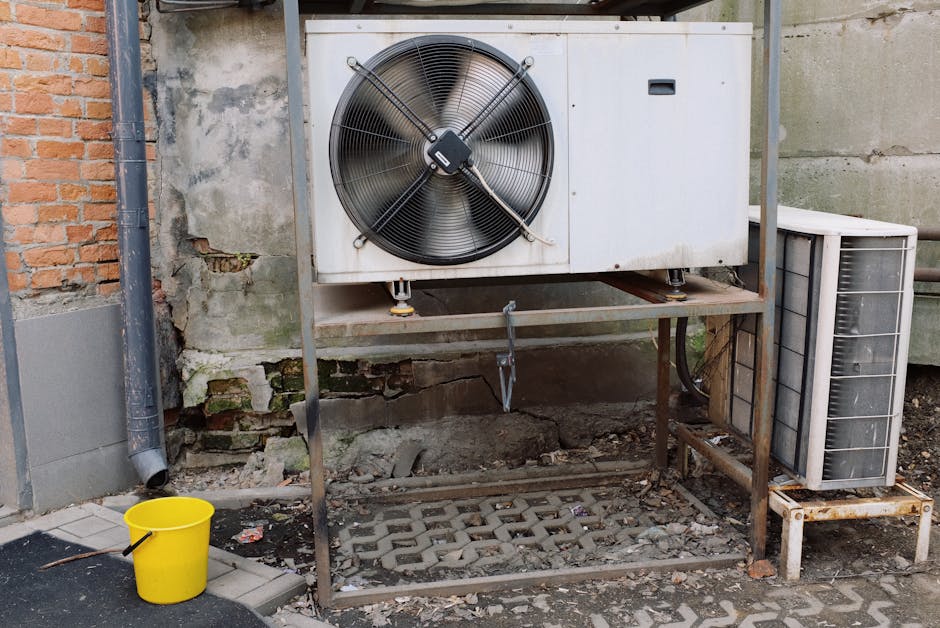
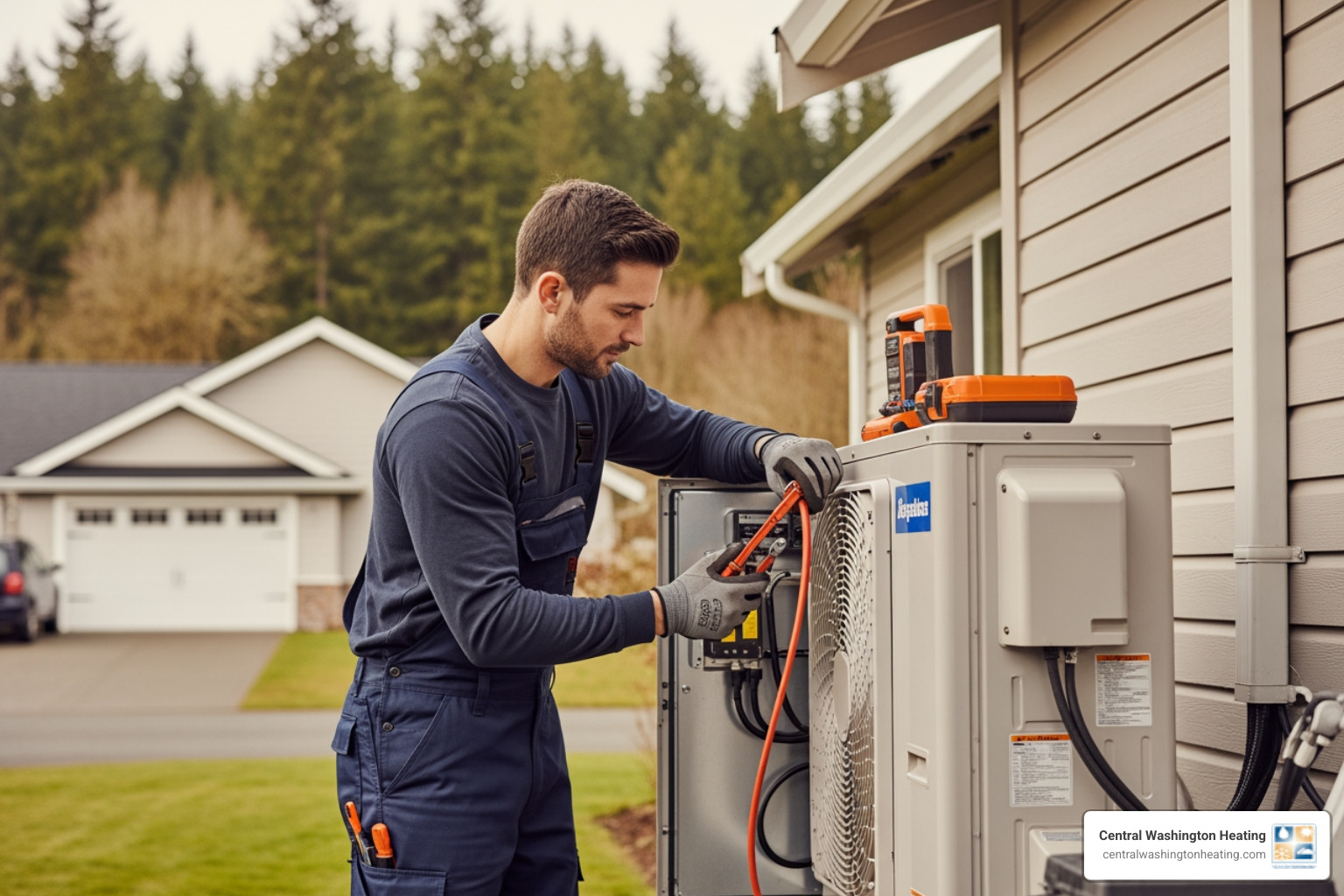
Capacitors are incredibly sensitive to heat. While they are rated to handle high temperatures, the interior of an outdoor AC cabinet can easily climb past 150°F when the outdoor temperature in Wenatchee hits 95°F or higher. This intense heat causes the oil and insulating dielectric materials inside the capacitor to degrade, dry out, and eventually break down.
Extended Duty Cycles
During our hot, dry Central Washington summers, air conditioners run for hours on end. This continuous operation forces the run capacitor to work overtime, accelerating normal wear and tear.
Voltage Fluctuations and Power Surges
Summer storms, grid strain, and localized power fluctuations put immense electrical stress on your home's HVAC system. A single high-voltage surge can puncture the thin dielectric insulation inside a capacitor, causing an immediate short circuit or a slow, steady loss of capacitance.
Natural Aging
Like a light bulb, every capacitor has a finite operational lifespan. Over years of constant cycling, the metal plates and chemical components inside naturally degrade.
Because of these combined factors, capacitors fail far more frequently than robust mechanical components like fan blades or copper coils. Recognizing when your system is struggling is key to scheduling a repair before a total breakdown occurs. If you suspect your unit is starting to decline, reviewing the Signs AC Is About to Break Down can help you stay ahead of summer emergencies.
To put this lifespan in perspective, let’s look at how different regional climates affect how long a standard capacitor lasts:
| Climate Type | Average Capacitor Lifespan | Primary Environmental Stressors |
|---|---|---|
| Mild / Coastal (e.g., Western WA) | 10 to 15 Years | Low runtime, minimal thermal stress |
| Central Washington (Wenatchee Valley) | 5 to 10 Years | Hot summers, high run hours, seasonal temperature swings |
| Extreme Desert (e.g., Las Vegas / Desert Southwest) | 3 to 5 Years | Extreme ambient heat, 140°F+ cabinet temperatures, dusty conditions |
Warning Signs of a Failing AC Capacitor
When an AC capacitor begins to fail, it rarely goes quietly. It usually drops several hints before completely giving out. Knowing what to look and listen for can save you from a hot, sleepless night in Cashmere or Malaga.
Here are the most common warning signs of a failing capacitor:
- The "Hum of Death": If you stand near your outdoor unit and hear a loud, rhythmic humming or clicking sound, but the fan is not spinning and the compressor is not running, the capacitor is likely struggling to deliver the startup charge.
- Delayed or "Hard" Starting: If your air conditioner seems to hesitate for several seconds or makes a loud shuddering noise when turning on, it is experiencing a hard start. This means the capacitor is too weak to provide the necessary torque quickly.
- Warm Air Blowing from Vents: If the outdoor fan is spinning but the compressor fails to start due to a bad capacitor, your indoor blower will continue to circulate air, but it won't be cooled. You will feel lukewarm or warm air coming out of your registers.
- Visibly Swollen or Leaking Canister: A clear physical sign of failure is a capacitor that has "mushroomed" or bulged at the top. When the internal components overheat and fail, pressure builds up inside the metal canister, causing the flat top to dome upward. In severe cases, you may also see oily dielectric fluid leaking from the terminals or burn marks around the casing.
If you notice any of these issues, turning off your thermostat and consulting an AC Unit Troubleshooting checklist is a smart first step. For a deeper dive into the specific auditory warnings your system might be giving you, check out our guide on AC Making Strange Noises What They Mean.
Recognizing Capacitor Failure Why It Is the Most Common AC Repair in Summer
During the peak of a Central Washington summer, a weak capacitor can manifest in ways that directly impact your utility bills and daily comfort.
When a run capacitor’s microfarad rating drops out of its safe tolerance range, the compressor and fan motors are forced to draw much more electrical current to maintain their speed. This dramatic increase in amperage causes your system to run incredibly hot and inefficiently. Homeowners often notice a sudden, unexplained spike of 15% to 30% in their monthly cooling costs.
Additionally, a failing capacitor frequently leads to short cycling—a frustrating scenario where the air conditioner turns on and off rapidly every few minutes. Because the weak capacitor cannot maintain a stable voltage, the compressor overheats and trips its internal thermal overload switch, shutting the system down prematurely. Once the compressor cools back down, it tries to start again, repeating the damaging cycle.
Furthermore, a weak capacitor directly impacts the outdoor fan's performance. You might notice the fan spinning incredibly slowly or failing to start altogether without a gentle mechanical push. When the fan struggles, heat cannot escape the condenser coils, resulting in weak airflow and poor cooling performance inside your home. If your outdoor fan is acting up, reading about AC Condenser Fan Motor Failure Signs & Solutions can help you understand the connection.
Preventing Secondary Damage from Capacitor Failure Why It Is the Most Common AC Repair
The absolute biggest mistake a homeowner can make is ignoring a weak or failing capacitor. Because the capacitor is a relatively inexpensive part, replacing it early is incredibly cost-effective. However, leaving a bad capacitor in your system creates a dangerous "ripple effect" that can destroy your air conditioner's most expensive components.
When a capacitor cannot deliver the proper electrical assistance, the compressor motor is forced to experience prolonged "hard starts." Instead of starting in a fraction of a second, the motor windings are subjected to high electrical current for several seconds as the motor struggles to turn. This excess current generates extreme heat directly inside the compressor's sealed motor windings.
Over time, this intense thermal stress melts the protective insulation on the copper windings, leading to a permanent electrical short or a complete motor burnout. If your compressor fails, the repair is incredibly invasive and expensive—often forcing homeowners to face a full system replacement.
If your outdoor unit has suddenly gone completely silent, learning Why AC Compressor Suddenly Stopped Working will help you understand whether a simple capacitor swap can save your system, or if secondary damage has already taken its toll.
How to Extend the Lifespan of Your AC Capacitor
While capacitors are naturally wear-and-tear items, you do not have to sit back and wait for them to fail. There are several highly effective, preventive measures you can take to reduce thermal and electrical stress on these sensitive components:
Keep the Condenser Coils Clean
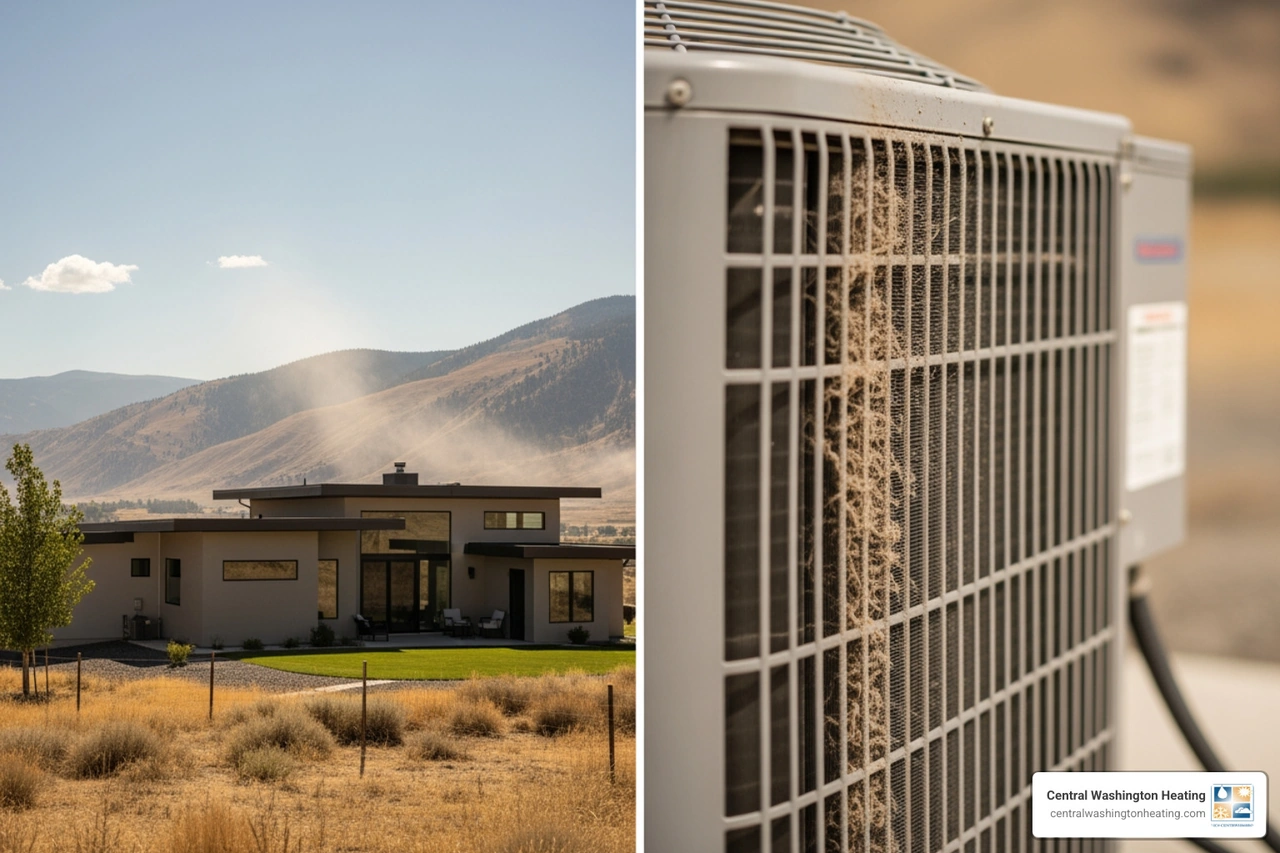
When your outdoor unit’s condenser coils are clogged with cottonwood fuzz, dirt, and dust, the system cannot shed heat efficiently. This forces the compressor and fan to run longer and hotter, which directly cooks the capacitor inside the electrical cabinet. Regularly cleaning the coils keeps operating temperatures safe.
Maintain Proper Clearance
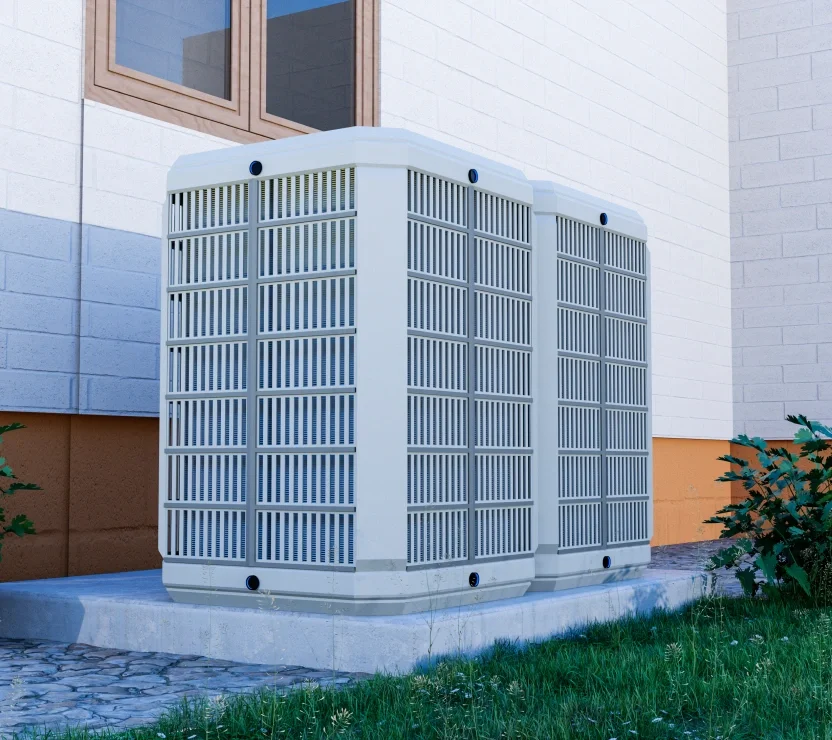
Ensure there are at least two feet of clear space around your outdoor unit. Overgrown shrubs, weeds, or stored items block airflow, trapping hot air around the cabinet and accelerating thermal degradation of the electrical parts.
Install HVAC Surge Protection
Our local power grid can experience voltage fluctuations, especially during summer storms or high-demand periods. Installing a dedicated, heavy-duty surge protector directly at your AC disconnect box guards the sensitive capacitor and compressor from sudden voltage spikes.
Schedule Annual Professional Maintenance
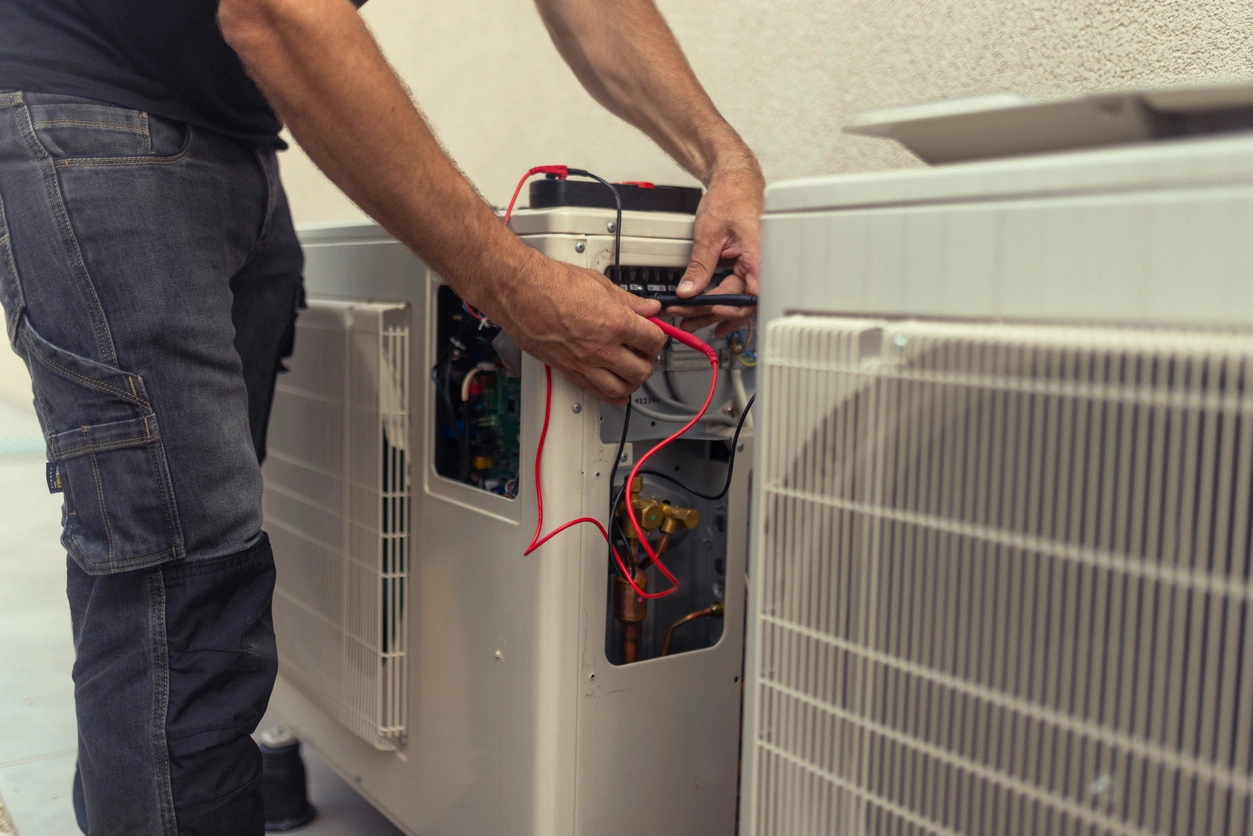
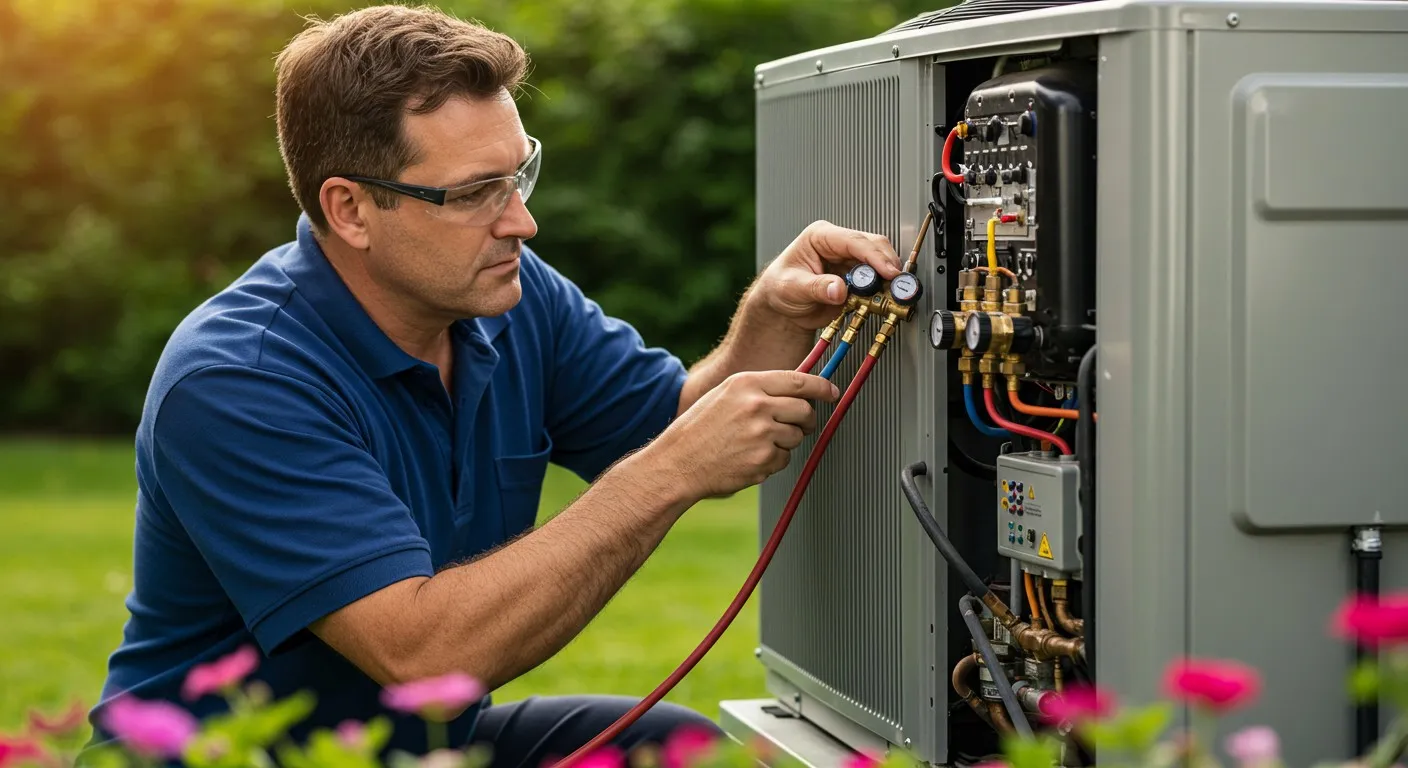
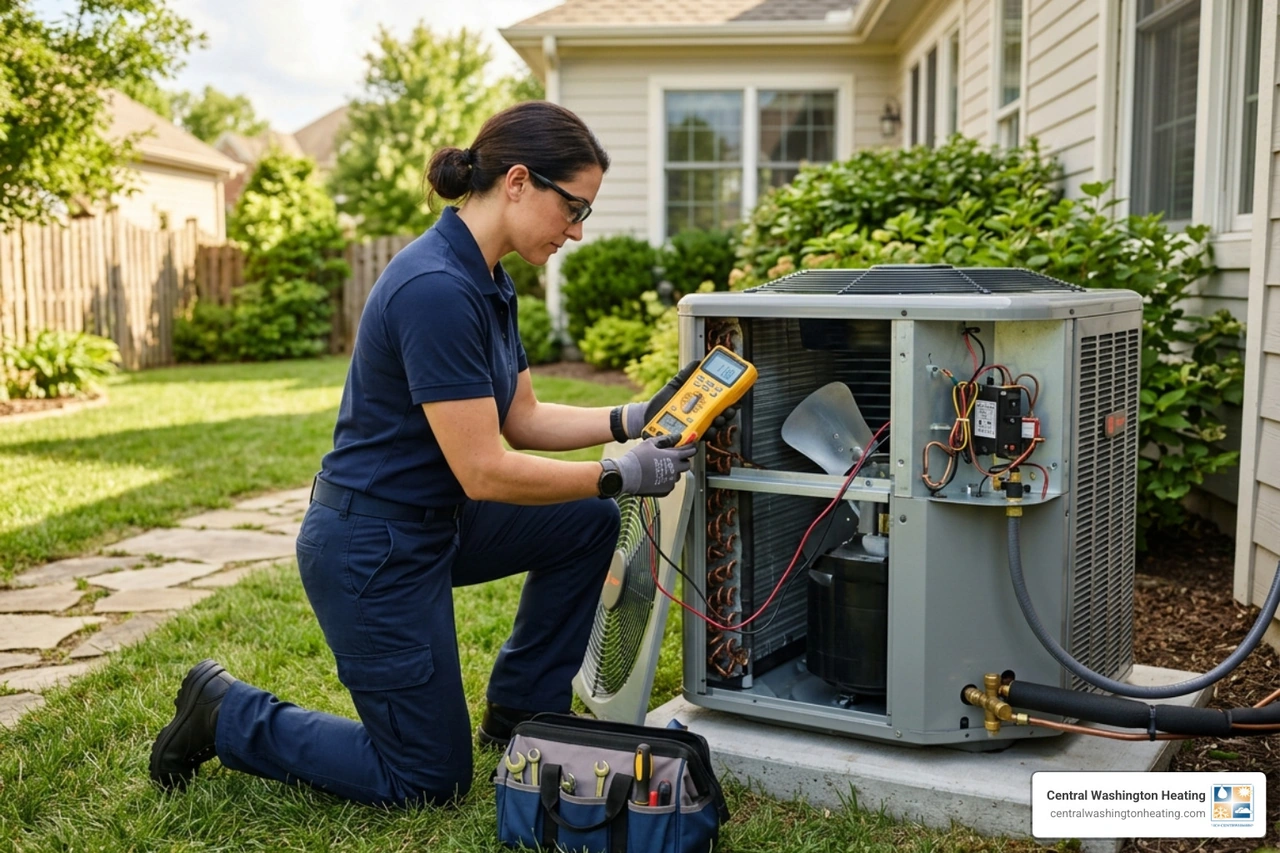
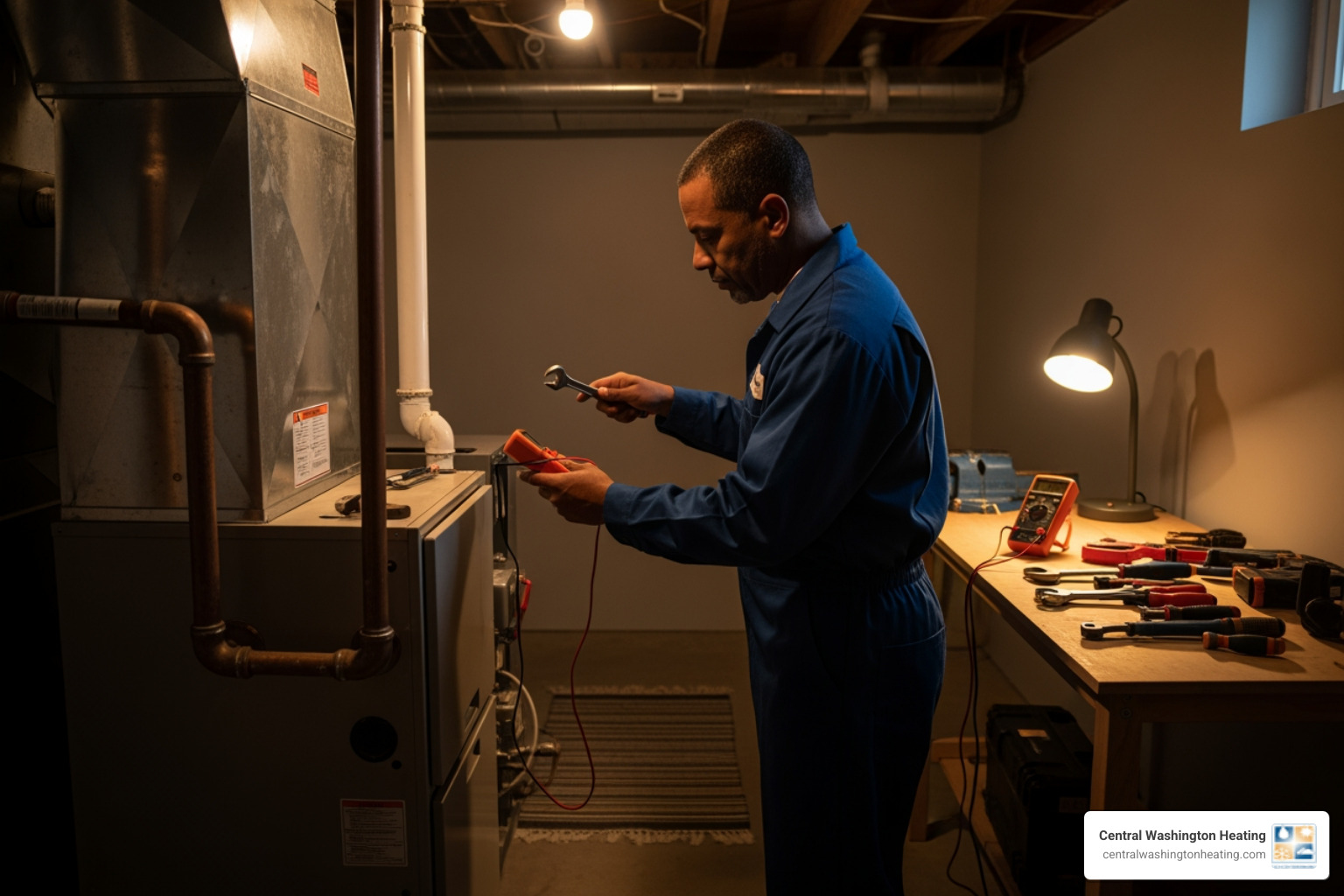
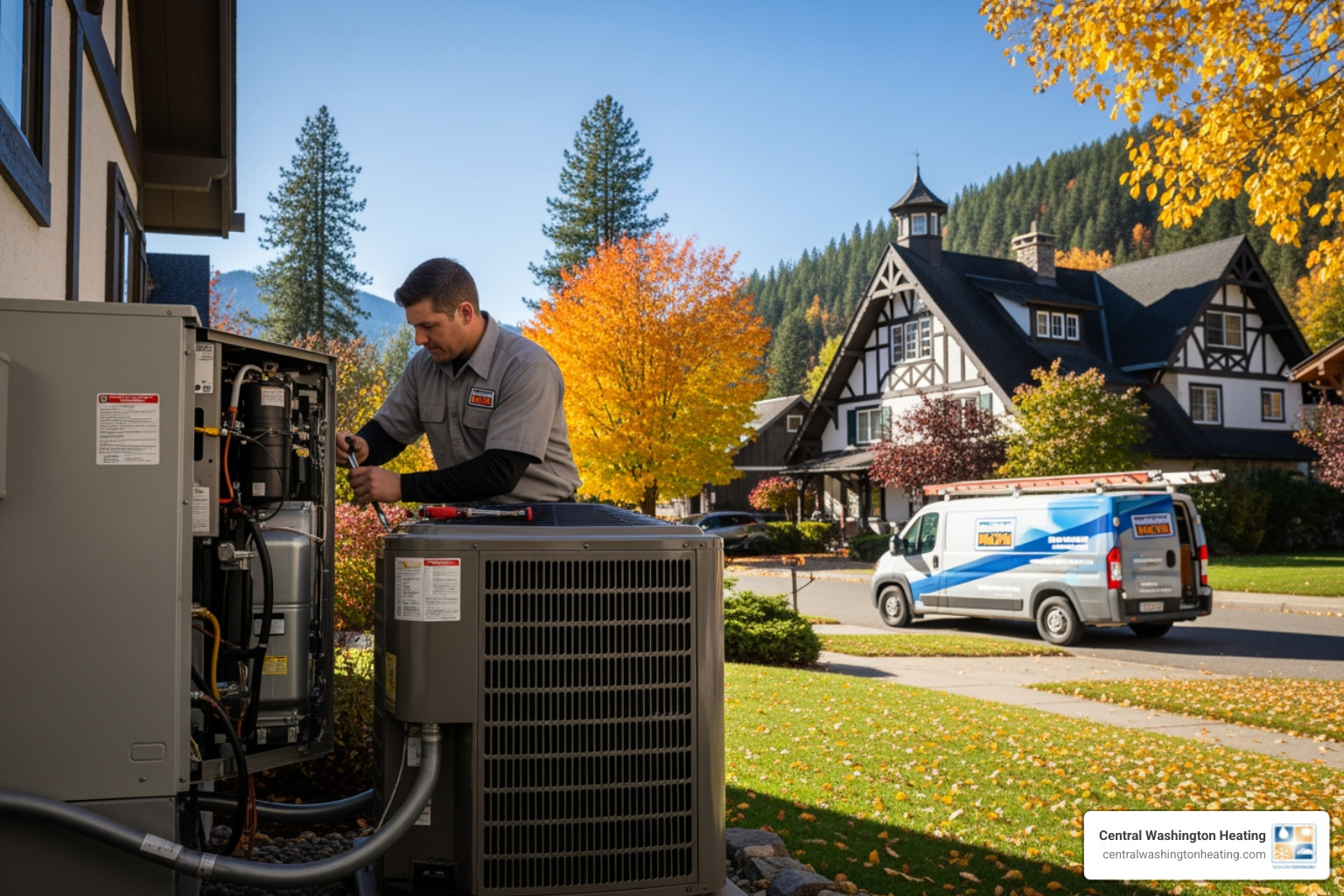
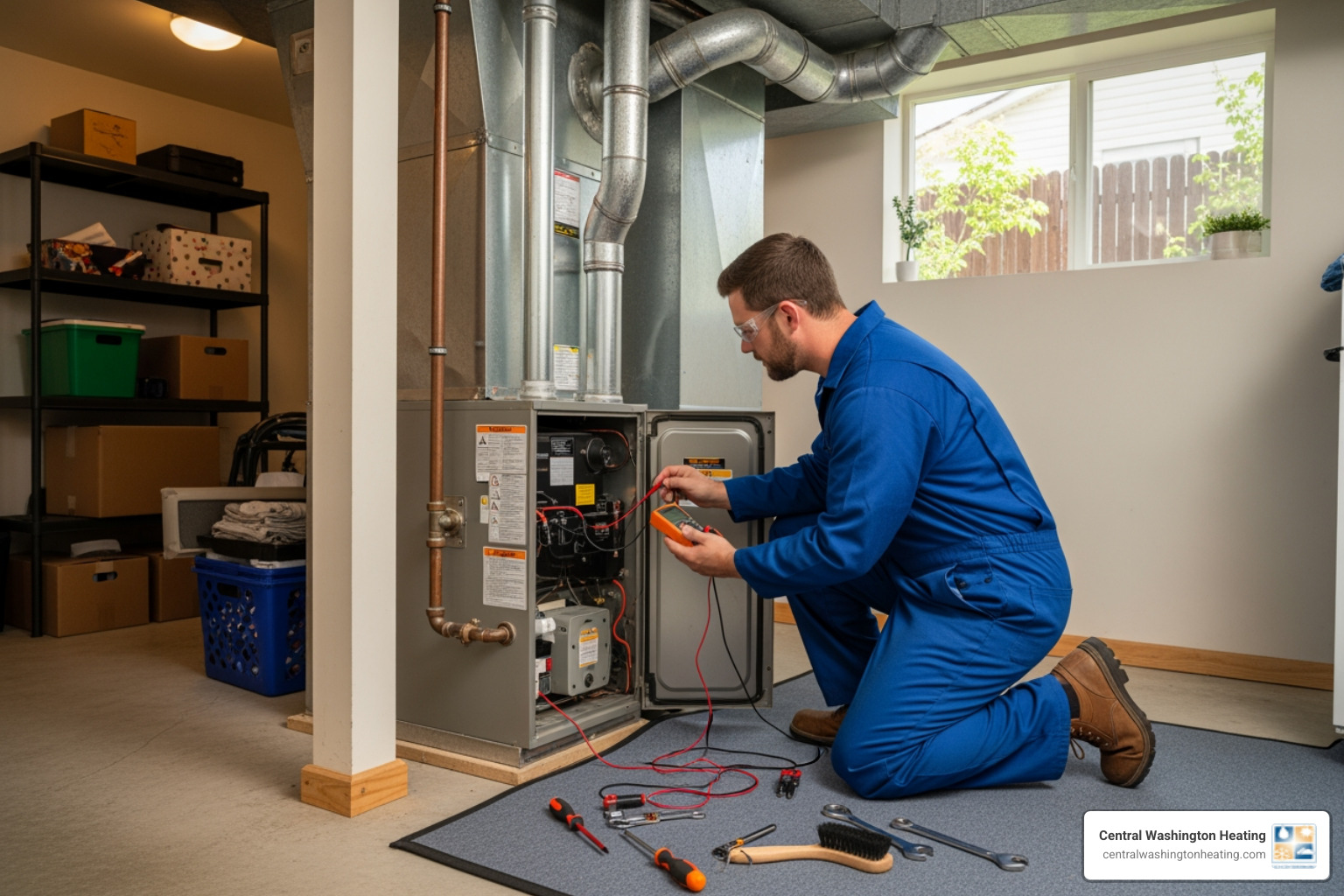
During a professional tune-up, a technician will use a multimeter to measure the exact microfarad output of your capacitor. If a capacitor rated for 45 µF is only reading 38 µF, the technician can catch this decline and replace it proactively before it fails on a 100-degree afternoon in Leavenworth.
To make sure your system is fully prepared for the summer heat, you can review our AC Maintenance Checklist for Central Washington Homeowners.
If you are curious about what goes on during these visits, our guide on What Does a Professional AC Tune-Up Include breaks down the entire process.
For maximum peace of mind and consistent comfort, find out How Often Should You Schedule an AC Tune-Up and consider protecting your equipment year-round with a dedicated AC Service Agreement.
Frequently Asked Questions about AC Capacitors
Can I run my AC with a bad capacitor?
No, you should never run your air conditioner if you suspect the capacitor is failing. Operating the system with a weak or dead capacitor forces the compressor and fan motors to draw excessive electrical current, causing them to overheat rapidly. This can permanently damage the motor windings, trip your home's circuit breakers, or lead to a catastrophic compressor burnout. If your AC is humming or struggling to start, turn it off at the thermostat immediately and call for professional service.
How long do AC capacitors typically last in Central Washington?
In our unique Central Washington climate—where summers in places like Wenatchee, East Wenatchee, and Chelan can be incredibly hot and dry—you can generally expect a high-quality AC capacitor to last between 5 to 10 years. While capacitors in milder, coastal regions of Western Washington might easily last 10 to 15 years, our hot summer days and extended cooling run hours place significantly more thermal stress on these components, shortening their overall operating life.
Why is DIY capacitor replacement discouraged?
While replacing a capacitor might seem like a simple plug-and-play task, it is actually incredibly dangerous. Capacitors are electrical storage devices designed to hold a massive, potentially lethal electrical charge even after the main power supply to the air conditioner has been turned completely off.
Handling a charged capacitor without the proper safety training, insulated tools, and discharging procedures can result in severe electrical shocks, serious burns, or even fatal injuries. Additionally, installing a capacitor with the incorrect microfarad (µF) or voltage rating can instantly ruin your fan motor or compressor, voiding your equipment's manufacturer warranty.
Conclusion
When it comes to keeping your home cool and comfortable, the small, hard-working capacitor is truly the unsung hero of your air conditioning system. Understanding capacitor failure why it is the most common AC repair helps you stay vigilant, spot the early warning signs of trouble, and protect your system from incredibly expensive secondary damage.
At Central Washington Heating, we bring over 30 years of trusted HVAC expertise straight to your doorstep. As a proud family- and veteran-owned business, we are dedicated to keeping families safe and comfortable throughout the entire Wenatchee Valley—including Wenatchee, East Wenatchee, Leavenworth, Cashmere, Chelan, Entiat, and surrounding areas.
Our fully licensed technicians carry a wide variety of high-quality, OEM-spec capacitors on every single service truck, allowing us to perform fast, safe, and professional replacements in a single visit. Whether you need a routine spring tune-up or a rapid emergency repair, we are here to provide the quiet, energy-efficient, and dependable comfort your home deserves.
Don't wait for a weak capacitor to leave you stranded in the summer heat. Request AC Service in Wenatchee Today to schedule your professional system inspection!
Recent Posts
Latest Insights and Tips

























.svg)


.svg)


