
Beat the Heat: Simple Steps to Troubleshoot Your AC Unit
Beat the heat! Learn AC unit troubleshooting to fix common problems and know when to call a pro. Save money & stay cool.
Why Quick AC Unit Troubleshooting Can Save Your Summer
When your air conditioner fails during Central Washington’s hottest days, AC unit troubleshooting becomes your first line of defense against sweltering indoor temperatures. Before calling for professional help, many common AC problems can be diagnosed and even fixed with simple troubleshooting steps.
Quick AC troubleshooting checklist:
- Check thermostat settings – Ensure it’s set to “COOL” and below room temperature
- Inspect circuit breakers – Reset any tripped breakers at the electrical panel
- Replace dirty air filters – Clogged filters restrict airflow and reduce cooling
- Clear outdoor unit debris – Remove leaves, grass, and dirt from condenser coils
- Verify all vents are open – Blocked vents create pressure imbalances
- Look for ice buildup – Ice on copper lines indicates airflow or refrigerant issues
While many homeowners can handle these basic steps, electrical work and refrigerant issues require professional expertise for safety reasons.
Understanding your AC system helps you identify problems faster and communicate better with technicians. A typical central air system has three main parts: your thermostat (the control center), the indoor unit (air handler or air handler), and the outdoor unit (condenser). When one component fails, it affects the entire system’s performance.
Safety first: Always turn off power at the circuit breaker before inspecting any electrical components. Never attempt to work with refrigerant lines or electrical panels; these tasks should be left to a qualified professional.

Level 1: Basic AC Unit Troubleshooting for Common Issues
Many AC issues are surprisingly simple to fix. We’ll start with the most common culprits for an AC unit that’s not performing as it should.
Check Your Thermostat Settings
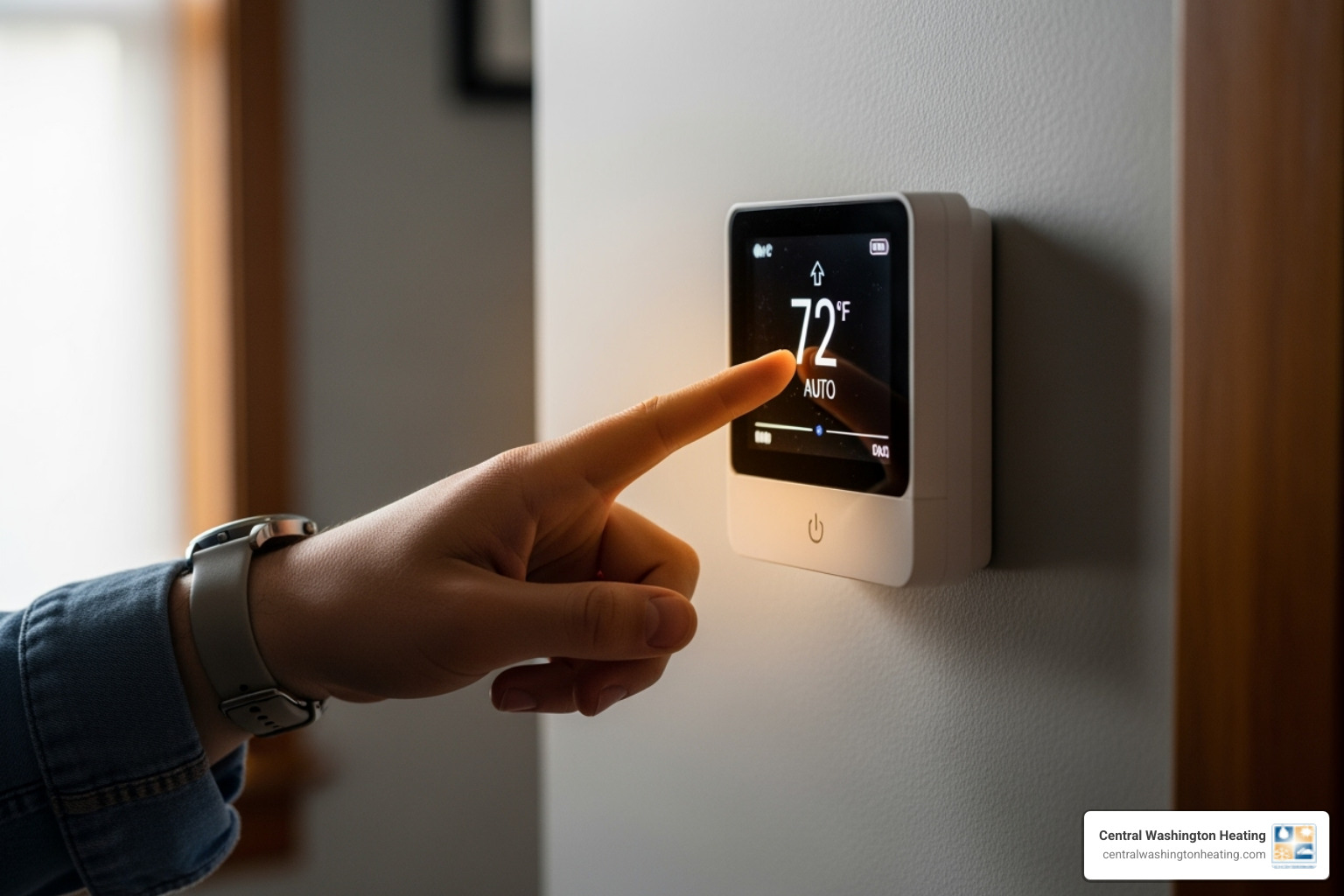
If your AC unit is not turning on or is blowing warm air, the first place to look is your thermostat. Here’s what to check:
- Mode Setting: Is your thermostat set to “COOL” or “AUTO”? It might accidentally be switched to “HEAT” or “FAN ONLY.” If it’s on “FAN ONLY,” the fan will run, but the compressor won’t engage to produce cold air.
- Temperature Setting: Is the set temperature lower than the current room temperature? Your AC won’t kick on if it thinks your home is already cool enough.
- Batteries: If your thermostat display is blank or unresponsive, it might just need new batteries. This can often resolve “no power” issues.
- Smart Thermostat Reboot: For smart thermostats, a quick reboot can sometimes clear glitches. If you’ve had a recent power outage and have a Honeywell IAQ Thermostat that will not reconnect to wifi, try these steps.
Verify Power and Circuit Breakers
If your thermostat is set correctly, the next step in AC unit troubleshooting is to ensure your unit is receiving power. A common reason an AC unit stops working is a tripped circuit breaker.
- Tripped AC Breaker: Go to your home’s main electrical panel and look for a breaker that is in the “tripped” or “OFF” position. Your AC unit typically has its own dedicated breaker (or two). The condenser (outdoor unit) and the air handler (indoor unit) might have separate breakers.
- Resetting the Breaker: To reset a tripped breaker, firmly push it to the “OFF” position, then back to “ON.” Wait about 30 minutes before turning the AC on again, as some units have a built-in delay to protect the compressor. If the breaker immediately trips again, do not reset it. This indicates a more serious electrical issue, and it’s time to call a professional.
- Outdoor Disconnect Switch: Check the small box mounted on the wall near your outdoor AC unit. This is the outdoor disconnect switch. Ensure the switch inside is in the “ON” position.
- Blown Fuses: Some outdoor disconnect boxes contain fuses. If your AC isn’t getting power, these fuses could be blown. Testing fuses requires a multimeter and electrical knowledge, so it’s best to leave this to a pro if you’re not comfortable. For more on this, check out our guide on why your AC Circuit Breaker Keeps Tripping.
Inspect the Air Filter
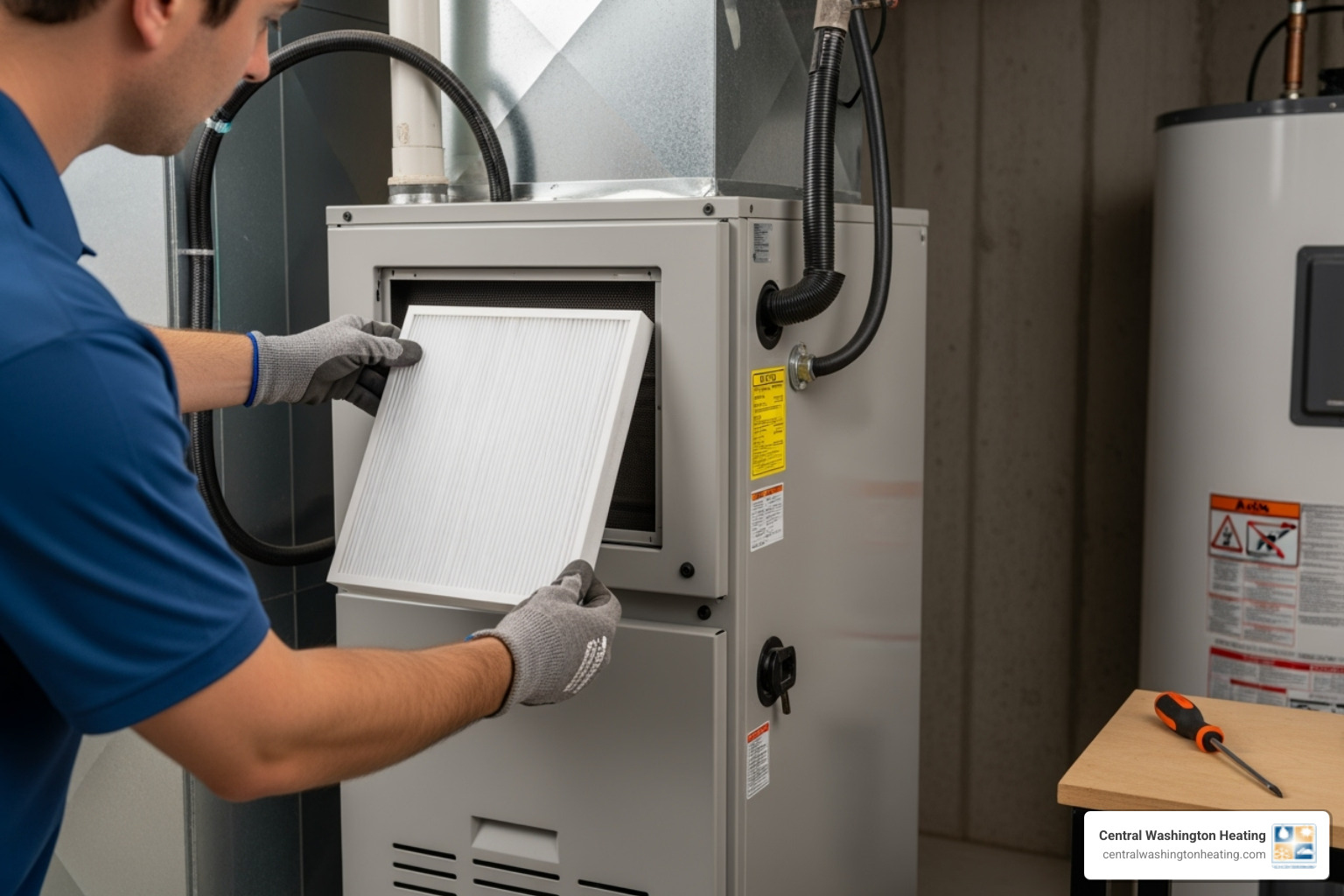
A dirty air filter is one of the most frequent causes of AC problems and one of the easiest to fix. A clogged filter restricts airflow, which can lead to several issues:
- Weak airflow from your vents.
- Ice buildup on the evaporator coil.
- Reduced cooling because cool air can’t circulate effectively.
- Higher energy bills because your system works harder. In fact, you can save between 5 and 15 percent of the energy used by simply changing a dirty filter.
Locate your air filter (usually in the return air duct or air handler), pull it out, and hold it up to a light. If you can’t see light through it, it’s time for a replacement. We recommend checking your filter monthly and replacing it every 1-3 months, especially if you have pets or allergies.
Clean the Outdoor Condenser Unit
Your outdoor condenser unit releases heat from your home. If it’s covered in dirt, leaves, or grass clippings, it can’t dissipate heat efficiently, leading to poor cooling and higher energy bills.
- Debris Buildup: Over time, condenser coils can get caked with outdoor grime, which traps heat inside the unit.
- Reduced Heat Transfer: When the condenser can’t shed heat, the system becomes less efficient. This can cause your AC to run longer and struggle to cool the house.
- How to Clean Coils Safely: First, turn off power to the outdoor unit at the disconnect switch and the circuit breaker. Use a brush or shop vac to remove loose debris from the fins. Then, gently hose down the coils. Hosing from the inside out is best, but hosing from the outside will also help. I always hose from the inside out, but even hosing from the outside can help remove dirt and debris.. For more insights, read our article on Why AC Outdoor Unit is Making Unusual Vibrations.
Level 2: Diagnosing More Complex AC Problems

If the basic checks don’t solve your cooling problems, it’s time to investigate more complex issues. Many homeowners can still identify what’s going wrong.
Ensure Clear Indoor Airflow
Poor indoor airflow is a common problem that can turn a reliable AC into a struggling, inefficient system. Closing vents in unused rooms may seem like it saves energy, but it actually creates pressure imbalances that can lead to ice formation, water leaks, and compressor damage.
Both supply vents (where cool air flows out) and return vents (where warm air gets pulled back in) must stay open and unobstructed. Walk through your home and check for furniture, rugs, or curtains blocking any vents. Even a couch placed too close to a vent can significantly impact performance.
When airflow is restricted, your AC works harder, which can increase energy bills and cause mechanical problems. For detailed solutions, check out our guide on Fixing Low Airflow from Your AC Vents.
Address Drainage Issues and Water Leaks
Water pooling around your indoor unit indicates a drainage problem. As your AC cools your home, it removes humidity, and that moisture needs to drain away. The most common culprit is a clogged condensate drain line, where algae and gunk build up and cause a blockage.
When the drain line backs up, the condensate pan overflows. Many modern AC units have a float switch that shuts off the system when the pan gets too full to prevent water damage. While this is a helpful safety feature, it means your AC will stop working.
To clear a minor clog, turn off power to your AC at the thermostat and circuit breaker. Find the condensate drain line (usually a PVC pipe) and pour a cup of distilled vinegar down the access opening. Let it sit for 30 minutes, then flush with water. For stubborn clogs, you can use a wet/dry shop vacuum on the outdoor end of the drain line. This basic video shows the process clearly.
What to Do About a Frozen Evaporator Coil
Finding ice on your AC’s copper lines or indoor coil is a common issue. When the evaporator coil freezes, your AC might blow warm air or stop cooling entirely, as the ice blocks heat exchange.
Poor airflow is the primary cause of frozen coils. When air can’t move freely across the coil (due to a dirty filter, blocked vents, or a failing blower fan), the refrigerant gets too cold and freezes airborne moisture. Low refrigerant from a leak can also cause freezing, but this requires professional repair.
If you find ice, turn off your AC at the thermostat but switch the fan to “ON” to help melt the ice. The thawing process can take several hours. Once melted, replace your air filter if it’s dirty and ensure all vents are open.
If the coil refreezes after you’ve addressed airflow issues, you likely have a refrigerant leak. Running a frozen AC can destroy your compressor, so it’s important to get it checked by a professional. Learn more in our article on AC Constantly Running But Not Cooling.
Decoding Unusual Noises and Smells
Strange noises and smells are your system’s way of warning you that something is wrong.
- Squealing usually points to a problem with the blower motor or a worn fan belt.
- Grinding suggests worn-out motor bearings in either the indoor or outdoor unit.
- Buzzing often indicates an electrical issue, like a failing capacitor or loose wiring.
- Continuous clicking without the AC turning on suggests a communication problem between the thermostat and the unit.
- Rattling or banging typically means something is loose or debris is in a fan.
- Hissing is concerning as it often signals a refrigerant leak.
A musty or mildewy odor usually means mold growth, often due to drainage problems. A burning or electrical smell is a red flag for overheating; turn off your AC immediately and call for help. A sweet or chemical smell might indicate a refrigerant leak. For a comprehensive guide, read our article on Why AC is Making Strange Noises.
When to Call a Professional: DIY vs. Expert Repair
While homeowners can tackle basic AC unit troubleshooting, it’s crucial to know when a problem requires professional expertise. Attempting complex repairs without the right skills can be dangerous and may cause more damage to your system.
DIY vs. Professional AC Unit Troubleshooting
Electrical work is where things get serious. Your AC system uses high-voltage electricity that can cause severe injury. While changing a filter or cleaning debris is safe, any task involving electrical components requires extreme caution. Always shut off power at the circuit breaker before any inspection, and never open electrical panels or work with wiring.
Capacitors and contactors are two components that commonly fail but require professional handling. Capacitors store a powerful electrical charge to start your motors, and they can remain energized even when the power is off. Contactors are switches that control high-amperage current. Replacing these parts safely requires specific tools and knowledge.
Refrigerant issues are absolutely off-limits for DIY repair. Signs of a refrigerant leak include reduced cooling despite good airflow, ice on the coils, hissing sounds, or an oily residue around refrigerant lines. Handling refrigerant is strictly for qualified professionals. Simply adding more refrigerant without fixing the underlying leak will not solve the problem.
The Importance of Regular AC Maintenance
Regular maintenance is the best way to prevent major AC problems. Catching small issues early, like a dirty coil or a failing part, can prevent a complete system breakdown on the hottest day of the year.
A well-maintained system also runs more efficiently. Clean coils, proper refrigerant levels, and lubricated parts allow the unit to cool your home using less energy. This proactive approach is essential for reliable home comfort.
System lifespan gets a significant boost from annual professional tune-ups. Neglected systems often fail sooner, while well-maintained units can last much longer. During a tune-up, technicians clean coils, check refrigerant levels, inspect electrical connections, lubricate moving parts, and identify potential problems. For more insights, read our article on AC Repair Essential Home Comfort.
Deciding Between Repair and Replacement
Sometimes you have to decide whether to repair or replace your AC unit. A few key factors can guide your decision.
Age matters significantly. If your unit is under 10 years old, repairs are often a good choice. As a unit approaches the 15-20 year mark, investing in major repairs becomes less practical.
Frequent repairs are another red flag. If you’re calling for service multiple times a season, your system may be nearing the end of its life as multiple components begin to fail.
Energy efficiency has improved dramatically in recent years. Newer units with higher SEER ratings can significantly reduce monthly energy use. If your current unit is inefficient and requires a major repair, a replacement might be a better long-term solution.
For more warning signs, check out our guide on Signs AC is About to Break Down.
Frequently Asked Questions about AC Problems
Here are answers to some of the most common questions we hear from Central Washington homeowners about their cooling systems.
Why is my AC running but not blowing cold air?
This is a very common complaint during AC unit troubleshooting. The most likely causes are straightforward:
- A dirty air filter: A clogged filter restricts airflow and prevents the system from cooling effectively.
- Dirty outdoor condenser coils: If the coils are covered in dirt and debris, they can’t release heat properly.
- A frozen indoor evaporator coil: Ice buildup on the indoor coil will completely block the cooling process.
- Low refrigerant: If your system is low on refrigerant due to a leak, it can’t absorb heat from your home’s air. This is not a DIY fix and requires professional service.
For a detailed walkthrough, check out our guide on AC Constantly Running But Not Cooling.
What are the first steps for AC unit troubleshooting?
Before calling for service, perform these four essential checks:
- Check thermostat settings: Ensure it’s set to “COOL” and the temperature is set lower than the current room temperature. Check the batteries if the display is blank.
- Inspect the air filter: Hold the filter up to a light. If you can’t see through it, replace it.
- Verify the circuit breaker: Go to your electrical panel and see if the AC’s breaker has tripped. A simple reset might solve the problem.
- Ensure all vents are open: Walk through your house and make sure all supply and return vents are open and not blocked by furniture or rugs.
These basic steps can solve a surprising number of cooling issues.
What should I do if my AC circuit breaker keeps tripping?
A circuit breaker that trips repeatedly is a serious warning sign. Circuit breakers are safety devices that trip to prevent electrical fires and equipment damage. Repeatedly resetting a tripping breaker is dangerous.
Persistent tripping can be caused by the AC drawing too much power from a failing motor, a faulty electrical component, or a short circuit in the wiring. When a breaker trips more than once, you should turn it off and leave it off.
This is a situation that requires a professional. Our detailed guide on AC Circuit Breaker Keeps Tripping explains more about the potential causes and why professional diagnosis is essential for your safety.
Stay Cool with Professional Help
After following this AC unit troubleshooting guide, you can now handle many common cooling problems yourself. Simple steps like checking the thermostat or cleaning the outdoor unit can often restore your comfort quickly.
The key is knowing your limits. While replacing a filter is simple, electrical work and refrigerant handling require professional expertise. Your safety is always more important than a quick fix.
Regular maintenance, including filter changes and annual professional tune-ups, is the best way to keep your system running smoothly and prevent unexpected breakdowns. Catching small issues early saves you from the discomfort of a failed AC on a hot day.
If you’ve worked through our checklist and your AC is still struggling, or if you notice serious issues like strange noises or electrical problems, it’s time to call the experts.
At Central Washington Heating, we understand how crucial home comfort is during our region’s hot summers. Whether you need repairs, maintenance, or help deciding between repair and replacement, our experienced technicians are ready to help you stay cool.
Don’t let AC problems disrupt your summer. Contact us for all your heating and air service needs and let us handle the complex work while you enjoy a cool, comfortable home.

Written by the Central Washington Heating and Air team
The techs and comfort advisors who've kept the Wenatchee Valley heated, cooled, and breathing easy for 30+ years — family & veteran owned, with 40+ years of combined industry experience.
- Licensed & insured · LIC# CENTRWH742JN
- Daikin Comfort Pro certified
- Wenatchee, WA
Last updated July 29, 2026
Ready for comfort you can count on?
Schedule service, request a free estimate, or call now for 24/7 emergency help. Our team is standing by across the Wenatchee Valley.
Get started today
Free estimates on installs · no-pressure, written quotes
Schedule My ServiceCall (509) 776-0247Mon–Fri: 8:00 AM – 4:30 PM · 24/7 for emergencies
Already have a quote? Get a free second opinion →