
Get Your Cool Back: A Guide to AC Thermostat Repair
Troubleshoot your AC thermostat! Learn DIY AC thermostat repair, diagnose common issues, and know when to call a pro. Get your cool back!
Why Your AC Thermostat Might Be the Problem
When your home isn’t reaching the right temperature, AC thermostat repair is often the solution. Your thermostat acts as the brain of your HVAC system, telling it when to turn on and off. If your system isn’t working correctly, it’s time to check your thermostat.
Quick AC Thermostat Repair Checklist:
- Check batteries – Replace if the display is dim or blank.
- Verify settings – Ensure it’s set to “Cool” and the proper temperature.
- Inspect wiring – Look for loose or corroded connections.
- Test circuit breaker – Reset if it has tripped.
- Clean the unit – Remove dust and debris from components.
- Check level – Ensure the thermostat is mounted straight.
Common signs your thermostat needs repair include inaccurate temperature readings, an unresponsive system, frequent cycling, or a completely blank display. Sometimes the problem isn’t the thermostat itself but loose wiring, dead batteries, or improper placement. The good news is that many of these issues are simple to fix yourself.

Is Your Thermostat the Culprit? Common Warning Signs
When your AC seems to ignore your commands, your thermostat is the first place to look. Here are common warning signs that indicate it’s time for AC thermostat repair.

- Blank Display: The most obvious sign is a dark or completely blank screen.
- AC Constantly Runs: The system never shuts off because the thermostat can’t accurately sense that the room has reached the desired temperature.
- Short Cycling: The AC turns on and off in quick, inefficient bursts.
- Incorrect Temperature Readings: The room feels much hotter or colder than the temperature displayed on the thermostat.
- Unresponsive Controls: Pressing buttons or adjusting settings does nothing.
- High Energy Bills: A sudden spike in your electricity bill can indicate a malfunctioning thermostat is causing your system to work overtime.
These warning signs often indicate it’s time for some AC thermostat repair or a replacement. For more insight into what might be going wrong with your cooling system, take a look at our guide on Signs AC is About to Break Down.
Common Issues Requiring AC Thermostat Repair
Understanding the cause of your thermostat’s issues can help determine the fix. Common problems include:
- Faulty Wiring: Loose, corroded, or damaged wires disrupt communication between the thermostat and the HVAC system.
- Dead Batteries: A simple but frequent culprit, even in hardwired units with battery backups.
- Dust and Debris: Buildup inside the thermostat can interfere with sensors and connections.
- Incorrect Placement: Mounting a thermostat near heat sources (windows, lamps) or drafts leads to false temperature readings.
- Component Failure: Internal parts like sensors or fuses can wear out over time, often requiring professional repair or replacement.
If you’re dealing with warm air coming from your vents when you expect cold air, your thermostat might be part of the problem. Learn more about this frustrating issue in our article: Why is AC Blowing Warm Air.
Your AC System is Making Strange Noises
While noises often point to the AC unit itself, they can help diagnose thermostat issues.
- Clicking Sounds: A click from the thermostat is normal when it signals the system. Constant clicking from the AC unit, however, suggests a problem.
- Buzzing Noises: Buzzing from the thermostat could mean loose wiring or a failing component. Buzzing from the outdoor unit points to other AC issues.
- No Sound at All: If you adjust the thermostat and hear nothing from your AC unit, there’s a communication breakdown.
- System Won’t Turn On/Off: If the system won’t start despite an active display, it could be a wiring issue or a tripped breaker. If it won’t shut off, the thermostat may be stuck or have an electrical short.
For a comprehensive look at what different AC noises might mean for your system, check out our detailed guide: Why is AC Making Strange Noises.
DIY AC Thermostat Repair: A Step-by-Step Guide for Homeowners
Before calling for professional help, there are several straightforward AC thermostat repair steps you can try yourself. Many common thermostat problems are surprisingly simple to fix.
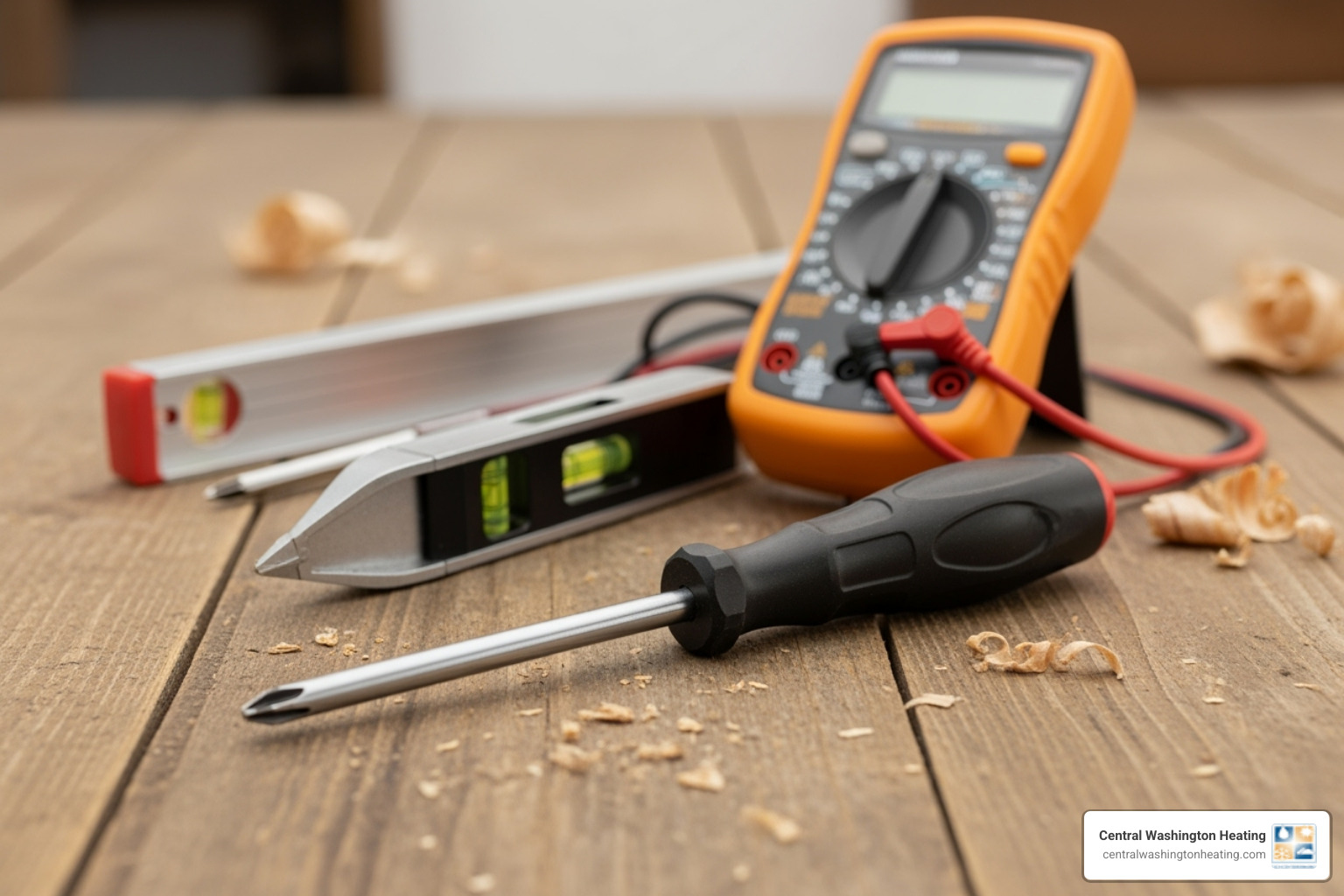
Basic Troubleshooting Steps
Start with the easiest fixes, as they often resolve the issue without needing any specialized tools.
- Check Settings: Ensure your thermostat is set to “Cool” mode, not “Heat” or “Off.” The desired temperature should be set at least 5 degrees below the current room temperature to trigger the AC. Also, set the fan to “Auto” so it only runs when the system is cooling.
- Replace Batteries: A blank or dim display often means dead batteries. Even hardwired thermostats have battery backups. Replace them according to your owner’s manual.
- Review Programming: An incorrect programming error can cause issues. Check the schedule for “away” or “sleep” modes that might be overriding your settings. Ensure the thermostat is programmed for the correct HVAC system type (e.g., heat pump vs. conventional AC).
For even more general troubleshooting tips that apply to your entire AC unit, dive into our AC Unit Troubleshooting guide.
Inspecting the Power Supply and Wiring
If basic troubleshooting fails, you can inspect the wiring. Safety first: always turn off power to your HVAC system at the circuit breaker before you begin.
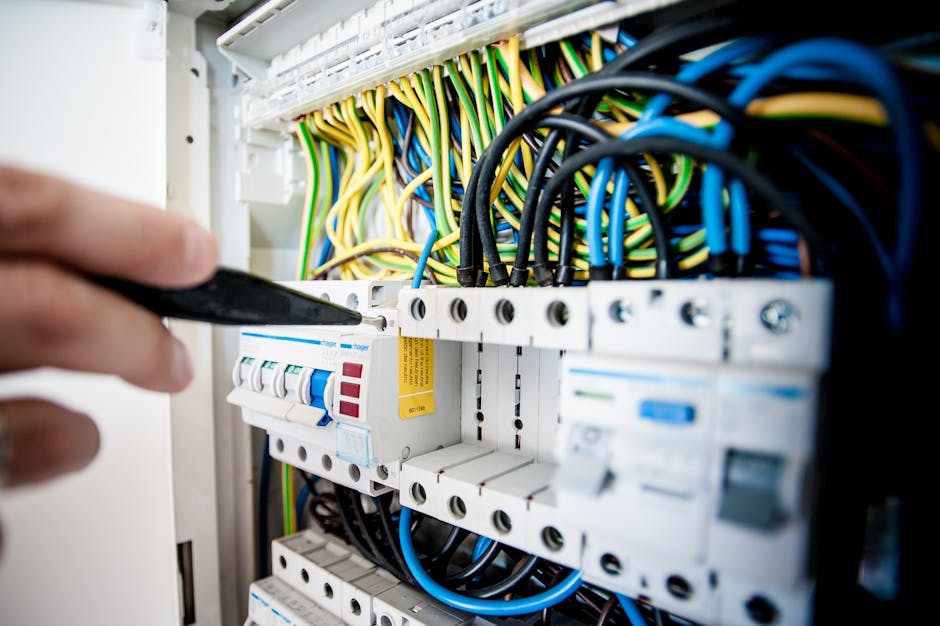
- Turn Off Power: Go to your electrical panel and flip the breaker for your HVAC system to the “Off” position.
- Remove the Cover: Gently snap off the thermostat cover. Some models may have tabs or screws.
- Check Wires: Look for loose or disconnected wires and signs of corrosion. If a wire is loose, push it back into its terminal and use a small screwdriver to tighten the terminal screws firmly but gently.
- Clean Components: For mechanical thermostats, use a soft brush or compressed air to remove dust and debris from the internal parts.
- Level the Thermostat: Older thermostats with a mercury switch must be perfectly level to function correctly. Use a small level to check its alignment and adjust the mounting screws if needed.
After these steps, replace the cover and restore power. If the circuit breaker keeps tripping, it indicates a larger electrical problem that requires a professional. You can learn more about this specific problem in our article on AC Circuit Breaker Keeps Tripping.
Advanced DIY Tests
For those comfortable with more technical work, these tests can help pinpoint the problem. You will need a multimeter for some of these steps. Always turn off power at the circuit breaker before handling wires.
- Bypass the Thermostat: To test if the thermostat is the issue, turn off the power, remove the cover, and disconnect the “R” (power) and “Y” (cooling) wires. Twist their bare ends together. Restore power. If the AC unit turns on, the thermostat is faulty. If not, the problem is in the HVAC unit. Turn the power off again before reattaching the wires.
- Test the Transformer: The transformer powers your thermostat. With the power on (use extreme caution), set your multimeter to VAC and test the low-voltage terminals on the transformer, usually located in the air handler. A reading of 24-28 VAC is normal. A zero or low reading means the transformer is likely faulty and needs professional replacement.
- Check for a Blown Fuse: Your HVAC control board may have a small automotive-style fuse. With the power off, visually inspect the fuse or test it for continuity with a multimeter. Replace a blown fuse with one of the exact same amperage. If it blows again, there is a short circuit that needs a professional diagnosis.
If you are unsure at any point, it’s always best to call a professional. For issues that go beyond the thermostat, like problems with your AC capacitor, you can find more insights in our article on AC Capacitor Replacement.
Beyond the Thermostat: Other Potential HVAC Problems
If your thermostat seems to be working but your home isn’t comfortable, the problem may lie elsewhere in your HVAC system. Even a perfect thermostat can’t make a faulty system cool your home, so it’s important to look beyond your initial AC thermostat repair attempts.
Poor airflow is a common culprit. If cool air isn’t reaching the rooms, your system can’t do its job. Check for these issues:
-
Dirty Air Filters: A clogged filter restricts airflow, forcing your system to work harder and reducing its effectiveness. Check and replace your filter regularly.
-
Blocked Vents and Registers: Furniture, rugs, or other items covering supply or return vents can disrupt air circulation and throw off your system’s balance.
-
Leaky Ductwork: Holes or gaps in your ductwork allow expensive cooled air to escape into your attic or walls instead of reaching your living spaces.
-
Air handler or AC Unit Malfunction: The problem could be with the HVAC unit itself. Issues like low refrigerant, a failing blower motor, or a bad compressor will prevent your home from cooling, regardless of the thermostat’s signals.
For detailed guidance on improving your system’s airflow, check out our comprehensive guide on Fixing Low Airflow From Your AC Vents. Understanding these broader system issues can help you target the real problem.
Repair, Replace, or Upgrade? Making the Right Choice
After troubleshooting, you must decide whether to repair, replace, or upgrade your thermostat. The right choice depends on the age of your unit, the nature of the problem, and your long-term comfort and efficiency goals. Here’s a comparison of the main thermostat types:
| Feature | Manual Thermostat | Programmable Thermostat | Smart Thermostat |
|---|---|---|---|
| Description | Simple dial/lever, set temperature manually | Set schedules for different times/days | Learns preferences, remote control, smart home integration |
| Control | Basic on/off, manual adjustments | Time-based scheduling, manual override | Remote access, voice control, geofencing, learning algorithms |
| Energy Savings | Low (depends on user discipline) | Moderate (reduces energy when away/asleep) | High (optimizes usage based on occupancy, weather, habits) |
| Cost | Lowest | Mid-range | Highest (but offers significant long-term savings) |
| Comfort | Consistent but requires manual adjustment | Consistent based on schedule, can be set for comfort | Adaptive comfort, custom to lifestyle |
| Complexity | Very simple | Moderate (initial programming) | Moderate to High (setup, app integration) |
| Connectivity | None | None | Wi-Fi, Z-Wave, Zigbee |
| Ideal For | Seldom-used spaces, simple needs | Consistent schedules, desire for basic savings | Tech-savvy users, varying schedules, maximum savings |
When to Consider a Thermostat Replacement
Repairing an old thermostat isn’t always the best option. A replacement is often a smarter investment in these situations:
- Outdated Technology: If you have an old, non-programmable or mercury-switch thermostat, upgrading will provide better efficiency and control.
- Frequent Repairs: If you are constantly fixing your thermostat or calling for minor AC thermostat repair, a replacement is more cost-effective in the long run.
- Incompatibility with New HVAC System: Older thermostats may not be able to control the advanced features of a new, high-efficiency HVAC system.
- Desire for More Features: If you want the convenience and energy savings of scheduling, remote control, or smart features, it’s time to upgrade.
If you’re thinking about a full AC replacement, which often goes hand-in-hand with getting a new thermostat, you can explore our services for AC Replacement Wenatchee.
The Benefits of Upgrading to a Modern Thermostat
Modern programmable, Wi-Fi, and smart thermostats offer significant advantages:
- Energy Savings: Programmable schedules and smart learning algorithms optimize your HVAC usage. ENERGY STAR certified thermostats can lead to significant savings on utility bills.
- Improved Comfort: Precise temperature control eliminates hot and cold spots, and smart models learn your preferences to maintain ideal comfort.
- Remote Control via Wi-Fi: Adjust your home’s temperature from anywhere using a smartphone app.
- Smart Home Integration: Control your thermostat with voice commands through systems like Amazon Alexa or Google Home.
- Geofencing: Some models use your phone’s location to automatically adjust the temperature when you leave or return home.
- Energy Usage Reports: Detailed reports help you track energy consumption and find more ways to save.
Pairing a modern thermostat with regular maintenance is key. Learn about the Benefits Regular AC Maintenance can provide.
Preventative Maintenance for Your Thermostat
A few simple preventative steps can extend your thermostat’s life and ensure it performs reliably.
- Regular Cleaning: Once a year, gently remove the cover and use a soft brush or compressed air to clean dust from the internal components.
- Check Batteries Annually: Replace batteries once a year to prevent unexpected failure, even on hardwired units.
- Verify Settings Seasonally: At the start of each heating and cooling season, review your programmed schedules and settings.
- Ensure Proper Calibration: Check your thermostat’s accuracy by placing a reliable thermometer next to it. If there’s a significant difference, it may need professional recalibration or replacement.
Regular maintenance for your entire system is crucial. Consider our AC Maintenance Wenatchee services to keep everything running smoothly.
Frequently Asked Questions about AC Thermostat Repair
Here are answers to some of the most common concerns homeowners have about AC thermostat repair.
Why is my thermostat display blank?
A blank display is a common issue and often an easy fix. It usually means the batteries are dead. Many hardwired thermostats use batteries for backup power, so try replacing them first. If that doesn’t work, check your home’s circuit breaker. The breaker for your HVAC system may have tripped. Flip it completely off, then back on to reset it.
How do I know if the problem is my thermostat or my AC unit?
You can perform a simple bypass test to find out. First, turn off power to your HVAC system at the circuit breaker. Remove the thermostat cover and carefully disconnect the “R” (power) and “Y” (cooling) wires. Twist their bare ends together. Restore power. If your AC unit turns on, the problem is likely your thermostat. If it doesn’t, the issue is within the AC unit itself. Remember to turn the power off again before reattaching the wires.
Can I install a new smart thermostat myself?
Yes, many homeowners can install a smart thermostat as a DIY project. Most models come with detailed, user-friendly instructions, and online video tutorials are widely available. The process typically involves turning off power, labeling your existing wires before disconnecting them, and connecting the new unit. However, if you are uncomfortable with wiring or have a complex HVAC system, we recommend professional installation to ensure everything is set up correctly for optimal performance.
When to Call a Professional for AC Thermostat Repair
While many thermostat issues can be resolved with DIY troubleshooting, some problems require professional expertise. If you’ve tried the steps in this guide and your system still isn’t working, it’s time to call a professional.
Complex problems like persistent wiring issues, control board failures, or malfunctions within the HVAC unit itself require specialized tools and training. Attempting to fix these issues yourself can be dangerous and may lead to further damage to your system.
For reliable and safe AC thermostat repair, trust the experts at Central Washington Heating. Our team is experienced with all types of thermostats and HVAC systems. We serve homeowners throughout Central Washington and are ready to diagnose and fix the problem correctly. For expert assistance, schedule your AC repair in East Wenatchee, WA.

Written by the Central Washington Heating and Air team
The techs and comfort advisors who've kept the Wenatchee Valley heated, cooled, and breathing easy for 30+ years — family & veteran owned, with 40+ years of combined industry experience.
- Licensed & insured · LIC# CENTRWH742JN
- Daikin Comfort Pro certified
- Wenatchee, WA
Last updated July 29, 2026
Ready for comfort you can count on?
Schedule service, request a free estimate, or call now for 24/7 emergency help. Our team is standing by across the Wenatchee Valley.
Get started today
Free estimates on installs · no-pressure, written quotes
Schedule My ServiceCall (509) 776-0247Mon–Fri: 8:00 AM – 4:30 PM · 24/7 for emergencies
Already have a quote? Get a free second opinion →