
Silence the Symphony: Troubleshooting Loud Air handler Noises
Is your furnace making loud noise? Learn what those sounds mean, how to troubleshoot, and when to call a pro for quiet, safe heat.
When Your Air handler Breaks the Silence
Air handler making loud noise can turn your peaceful home into a symphony of concerning sounds that keep you awake at night. When your once-quiet heating system suddenly starts banging, screeching, or grinding, it’s trying to tell you something important.
Common air handler noises and their meanings:
- Banging/Booming – Delayed electric heat startup or expanding ductwork
- Screeching/Squealing – Blower motor or belt issues
- Rattling – Loose parts or debris in system
- Whistling/Hissing – Clogged filter or ductwork leaks
- Scraping/Grinding – Metal components rubbing together
- Humming/Buzzing – Electrical problems or motor issues
Modern air handlers are designed to run quietly. As one HVAC expert notes, “When operating correctly, your home’s air handler should not create any noise.” Any sudden increase in volume or new sounds typically signal that something needs attention.
The good news? Many air handler noises have straightforward causes and solutions. Some can be fixed with simple maintenance, while others require professional diagnosis. Understanding what your air handler is “saying” helps you respond appropriately – whether that’s changing a filter or calling for emergency service.
Don’t ignore persistent air handler sounds. They often start small but can lead to expensive repairs or safety hazards if left unaddressed.

Air handler making loud noise glossary:
Normal Hum vs. Alarming Clamor: Understanding Your Air handler’s Language
Think of your air handler as a friend who’s trying to communicate with you. Like any good friend, it has its normal conversational tone – and then there are those moments when it’s clearly trying to tell you something’s wrong.
When your air handler making loud noise becomes a concern, it helps to first understand what’s perfectly normal. A healthy air handler has its own quiet vocabulary that you’ll hear throughout the heating season.
Normal air handler sounds are subtle and predictable. When your system starts up, you’ll often hear a gentle clicking – that’s just the electric heat startup sequence doing its job. As the blower motor kicks in, expect a low, steady humming or soft whirring sound. The whooshing of air moving through your vents is another reassuring sign that everything’s working as it should.
Don’t be alarmed by the occasional pinging from your ductwork either. As your heating system warms up and cools down, the metal ducts naturally expand and contract. These little pops and pings are just your home’s way of adjusting to temperature changes – completely normal and nothing to worry about.
The key word here is subtle. Modern air handlers are engineered for quiet operation, so these normal sounds should blend into your home’s background noise rather than demanding your attention.
When to pay attention is when these familiar sounds change character or volume. That gentle hum shouldn’t become a loud, persistent buzz. Those occasional ductwork pings shouldn’t turn into continuous rattling or alarming banging sounds.
If your air handler starts making noises that wake you up at night or cause you to pause your conversation, it’s time to listen more carefully. Sudden changes in sound patterns, significantly louder operation, or entirely new noises are your air handler’s way of asking for help.
The difference between normal operation and problematic sounds often comes down to persistence and volume. A brief, soft sound during startup? Probably fine. A loud, ongoing noise that wasn’t there before? Time to investigate.
Understanding this distinction helps you respond appropriately – whether that means simply monitoring the situation or calling for professional help. For more guidance on recognizing when your heating system needs attention, check out our detailed guide on Signs You Need Air handler Repair.
Why Your Air handler is Making Loud Noise and What It Means
When your air handler making loud noise breaks the usual quiet hum, it’s like your heating system is trying to have a conversation with you. Each unusual sound has its own story to tell, and understanding these “air handler dialects” can help you know whether you’re dealing with a quick fix or something that needs immediate professional attention.
Banging or Booming: What a air handler making loud noise upon startup means
Picture this: you’re settling in for a cozy evening when suddenly your air handler sounds like someone’s banging pots and pans in your basement. That startling bang or boom during startup isn’t just annoying – it’s your air handler’s way of saying something’s not quite right with its electric heat startup process.
The most common culprit behind this dramatic entrance is delayed electric heat startup. When your gas heat strips get dirty or become misaligned, they can’t light the gas right away. Instead, gas builds up in the electric heating chamber until – BOOM – it finally ignites all at once. It’s like a tiny fireworks show that nobody asked for, and it happens every single time your air handler tries to start.
Sometimes that banging isn’t coming from the air handler itself but from your expanding ductwork. When hot air suddenly rushes through cold metal ducts, they expand quickly and create those startling pops and bangs. While some ductwork noise is normal, especially on cold mornings, persistent loud banging might mean your ducts need attention.
Here’s the thing about delayed electric heat startup – it’s not just annoying, it’s potentially dangerous. That gas buildup creates a safety risk, and those repeated mini-explosions can stress your air handler components over time. The good news is that professional cleaning of your heat strips usually solves the problem completely. For more detailed information about these sounds, you can read about Reasons Why Your Air handler Is Making Loud Noises | MySynchrony .
Screeching or Squealing
If your air handler suddenly starts sounding like a banshee having a bad day, those high-pitched screeches and squeals are usually coming from the blower motor assembly – the hardworking component that circulates warm air throughout your home.
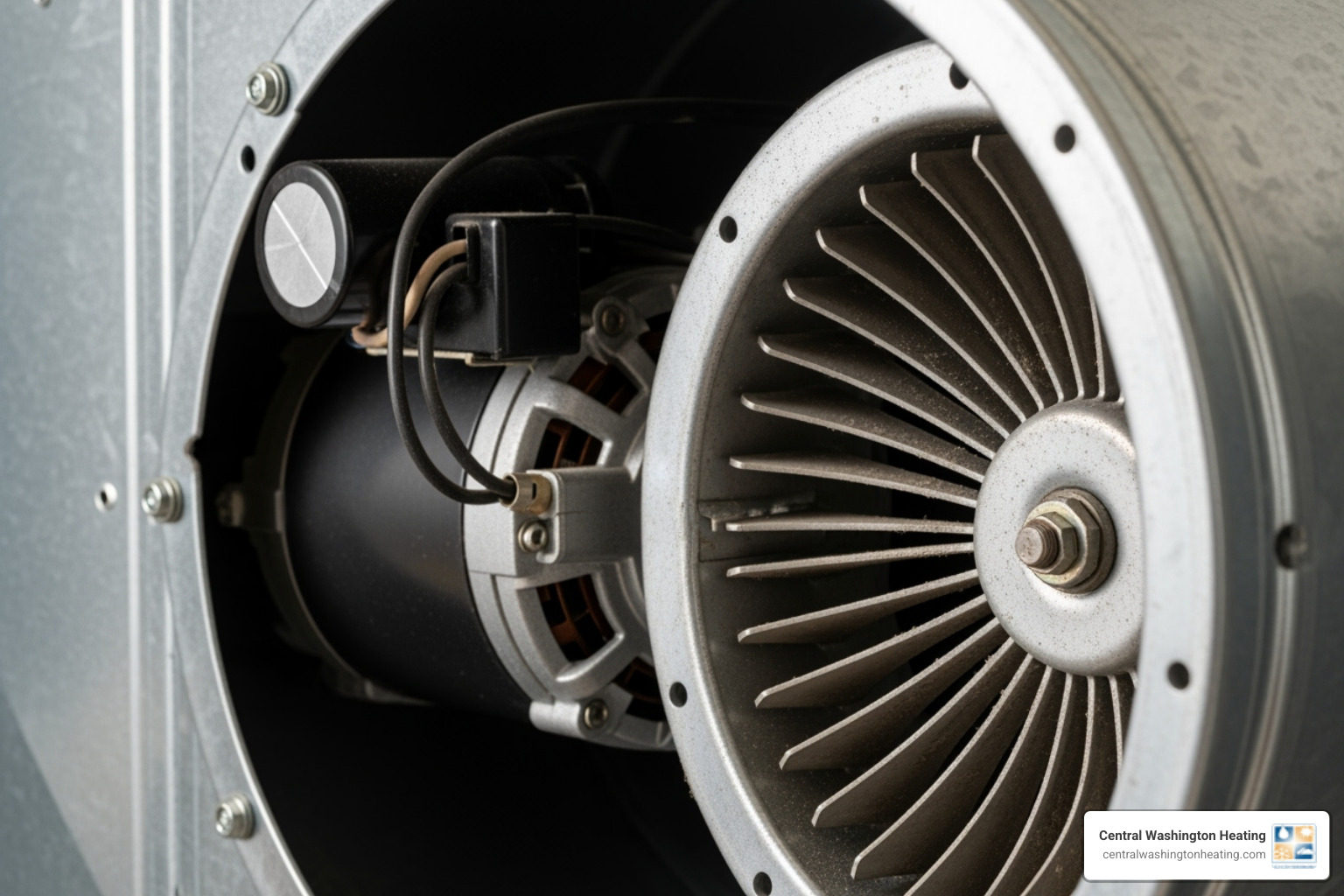
The most likely suspect behind these ear-piercing sounds is worn motor bearings. These small but crucial parts help your blower motor spin smoothly, but when they dry out or wear down, they create that unmistakable metal-on-metal friction sound. Think of it like a squeaky wheel that desperately needs oil.
Another common cause is a damaged blower belt. In older air handlers, a belt connects the motor to the blower fan, and when this belt gets worn, cracked, or loose, it starts slipping and squealing. Sometimes the fix is as simple as tightening the belt, but worn belts need replacement.
The root of many of these problems is often lack of lubrication. Just like your car engine, air handler motors need regular lubrication to keep their moving parts happy. When this maintenance gets skipped, those parts start crying out for attention – literally.
Don’t ignore these sounds, even if they seem to come and go. What starts as an occasional squeal can quickly turn into complete motor failure, which is much more expensive to fix. If you’re experiencing these issues, our guide on Air handler Blower Motor is Failing provides more detailed information.
Rattling: Why is my air handler making loud noise and vibrating?
A rattling air handler can feel like playing detective – sometimes it’s something wonderfully simple, and other times it’s signaling a serious problem that needs immediate attention.
The best-case scenario for rattling is loose panels or screws. Your air handler vibrates during normal operation, and over time, screws can work themselves loose, causing panels to rattle against the unit. It sounds dramatic, but it’s often a five-minute fix with a screwdriver.
Sometimes debris in the blower creates rattling sounds. Small objects, accumulated dirt, or even leaves can find their way into the blower fan and create quite a racket as they bounce around. Again, this is usually more annoying than serious.
However, rattling can also indicate loose components inside your air handler – parts that should stay firmly in place. The blower wheel, ductwork connections, or other internal components might have worked themselves loose, and these issues require professional attention.
The most serious cause of rattling is a cracked indoor coil. This critical component separates the overheated air from the air that circulates through your home. When it cracks, it can create rattling or popping sounds, but more importantly, it poses a electrical safety risk. Since electrical safety is colorless and odorless, a cracked indoor coil is a silent but deadly hazard.
Never ignore persistent rattling, especially if you can’t easily identify the source. While you might successfully tighten a loose panel, anything more complex needs professional diagnosis. For more information about common issues that cause these sounds, check out our article on Common Air handler Repair Issues.
Whistling or Hissing
When your air handler starts whistling or hissing, it’s usually trying to tell you about an airflow problem. These sounds happen when air is being forced through a restricted space or escaping where it shouldn’t.
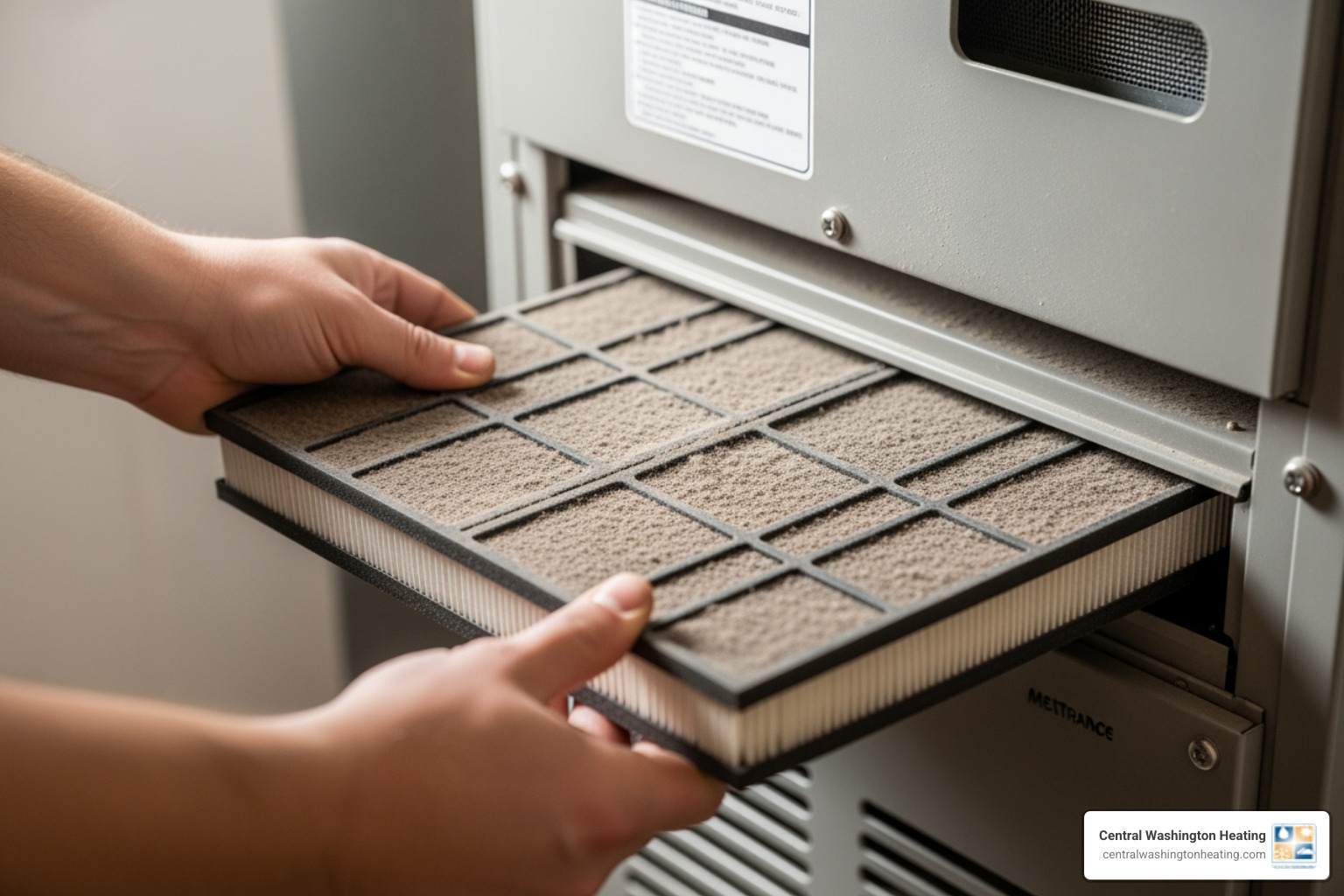
The most common cause of whistling is a clogged air filter. When your filter gets packed with dust, pet hair, and debris, your air handler has to work much harder to pull air through those tiny remaining openings. The result? A whistling sound that gets louder as the filter gets dirtier. The good news is this is probably the easiest air handler problem to fix yourself.
Restricted airflow from other sources can also cause whistling. Blocked return air vents, closed registers throughout your home, or even furniture placed too close to vents can create these sounds. Your air handler is essentially gasping for air.
Ductwork leaks create hissing sounds as air escapes through small cracks or gaps in your duct system. Not only does this waste energy and reduce efficiency, but it also creates those telltale hissing noises.
Here’s where things get serious: if you hear hissing and smell gas, you might have a gas leak concern. This is an emergency situation. Leave your home immediately and call your gas company from a safe location. Never ignore the smell of gas, even if you’re not sure where it’s coming from.
While changing an air filter is a simple DIY task, persistent whistling or any suspected gas leak requires immediate professional attention. For more specific guidance on this issue, our article Air handler Making a Whistling Noise provides additional details.
Scraping or Grinding
When your air handler starts making scraping or grinding noises, it’s time to pay immediate attention. These harsh, metallic sounds usually mean metal parts are rubbing against each other when they shouldn’t be – never a good sign in any mechanical system.
A loose blower wheel is often the culprit behind these alarming sounds. This important component circulates air throughout your home, but if it works loose from its motor shaft, it can wobble and scrape against the blower housing. The result is an unmistakable grinding sound that gets worse the longer your air handler runs.
Broken motor mounts can also cause grinding noises. When the mount that holds your blower motor in place breaks or fails, the entire motor assembly can shift position, causing various parts to grind against the air handler casing or each other.
Sometimes worn ball bearings progress from the squealing stage to outright grinding. When these small but crucial parts become severely worn, the metal components start rubbing directly against each other, creating that harsh grinding sound.
Here’s the important part: if you hear persistent scraping or grinding, immediate shutdown is required. Turn off your air handler right away. Continuing to run the system can cause extensive damage to the blower motor and other components, turning what might be a moderate repair into a major system replacement.
Don’t delay calling a professional when you hear these sounds. Quick action can often save you significant money and prevent a complete system breakdown. Understanding why prompt air handler repair matters is covered in detail in our article Why Air handler Repair is Important.
Humming or Buzzing
A gentle hum from your air handler’s blower motor is perfectly normal, but when that hum becomes a loud buzzing or pronounced humming that wasn’t there before, it’s usually pointing to an electrical problem or a component that’s working harder than it should.
Electrical issues are often behind new buzzing sounds. Loose wiring connections, problems with the transformer box, or other electrical components can create distinct buzzing noises. These issues can sometimes pose fire hazards, so they shouldn’t be ignored.
A faulty capacitor is another common cause of loud humming. This component helps your blower motor start up and run efficiently. When it begins to fail, your motor has to struggle to do its job, often creating a pronounced humming or buzzing sound. Think of it like trying to start your car with a weak battery – everything works harder and sounds different.
Blower motor problems can also manifest as loud humming. An aging motor, lack of lubrication, or internal imbalances can all cause your motor to hum loudly as it tries to do its job. Sometimes this is just a sign that your motor is getting older, but it can also indicate problems that need attention.
While some buzzing might be minor, electrical issues can be serious. If the buzzing is loud, persistent, or accompanied by any burning smells, turn off your air handler and contact a professional immediately. Many of these electrical problems require expert diagnosis and repair. For more information about electrical components that might cause these sounds, you can read about Air handler Pressure Switch Repair.
Your First Response: Simple Troubleshooting Steps
When your air handler making loud noise starts disrupting your peaceful evening, take a deep breath. While those mysterious sounds can be alarming, you don’t need to panic or immediately call for help. Sometimes the solution is surprisingly simple, and a few minutes of detective work can save you both time and worry.
Start with the easiest culprit – your air filter. This humble component is responsible for more air handler problems than you might expect. Turn off your air handler first, then locate and remove the filter. Hold it up to the light – if you can barely see through it, or if it looks like it could house a small family of dust bunnies, it’s time for a replacement. A clogged filter forces your air handler to work overtime, often creating whistling sounds as air struggles to squeeze through. In our dusty Central Washington climate, especially if you have pets, checking your filter monthly is a smart habit.
Next, play air handler detective with those access panels. If you’re hearing rattling, the problem might be as simple as a loose panel vibrating against the air handler cabinet. Make sure your power is off, then gently check that all access panels are properly secured. The vibrations from normal operation can sometimes work these panels loose over time.
Take a walk around your home to inspect your vents. That couch pushed against the return air vent or the curtains draped over a floor register might seem harmless, but restricted airflow can strain your blower motor and create unwanted noise. Every vent should have clear breathing room – think of them as your air handler’s lungs.
Don’t overlook your thermostat settings. It sounds almost too simple, but sometimes a “noisy” air handler is just doing exactly what it’s been told to do. Double-check that it’s set to “Heat” mode and the fan is on “Auto” rather than constantly running.
Know when to call in the professionals. While these simple steps can resolve many minor issues, some sounds demand immediate expert attention. Banging, booming, scraping, or grinding noises typically signal serious mechanical problems that require professional diagnosis. Persistent screeching or squealing usually means worn parts need replacement or lubrication – not a DIY job. Any electrical buzzing or humming accompanied by a burning smell could indicate a dangerous electrical hazard.
If you ever smell gas or hear suspicious hissing, your response should be swift and decisive. Evacuate your home immediately, call your gas company and 911 from a safe distance, and don’t return until authorities give the all-clear. No air handler repair is worth risking your family’s safety.
Sometimes the opposite problem occurs – a air handler that won’t make any noise at all because it won’t start. If that’s your situation, our guide on Troubleshooting a Air handler That Won’t Turn On can help you get back to warmth and comfort.
Preventative Care: The Key to a Quiet Air handler
Think of your air handler like your car – ignore regular maintenance, and eventually it’ll start making all sorts of unhappy noises. The good news? A little preventative care goes a long way toward keeping your air handler making loud noise complaints to a minimum.
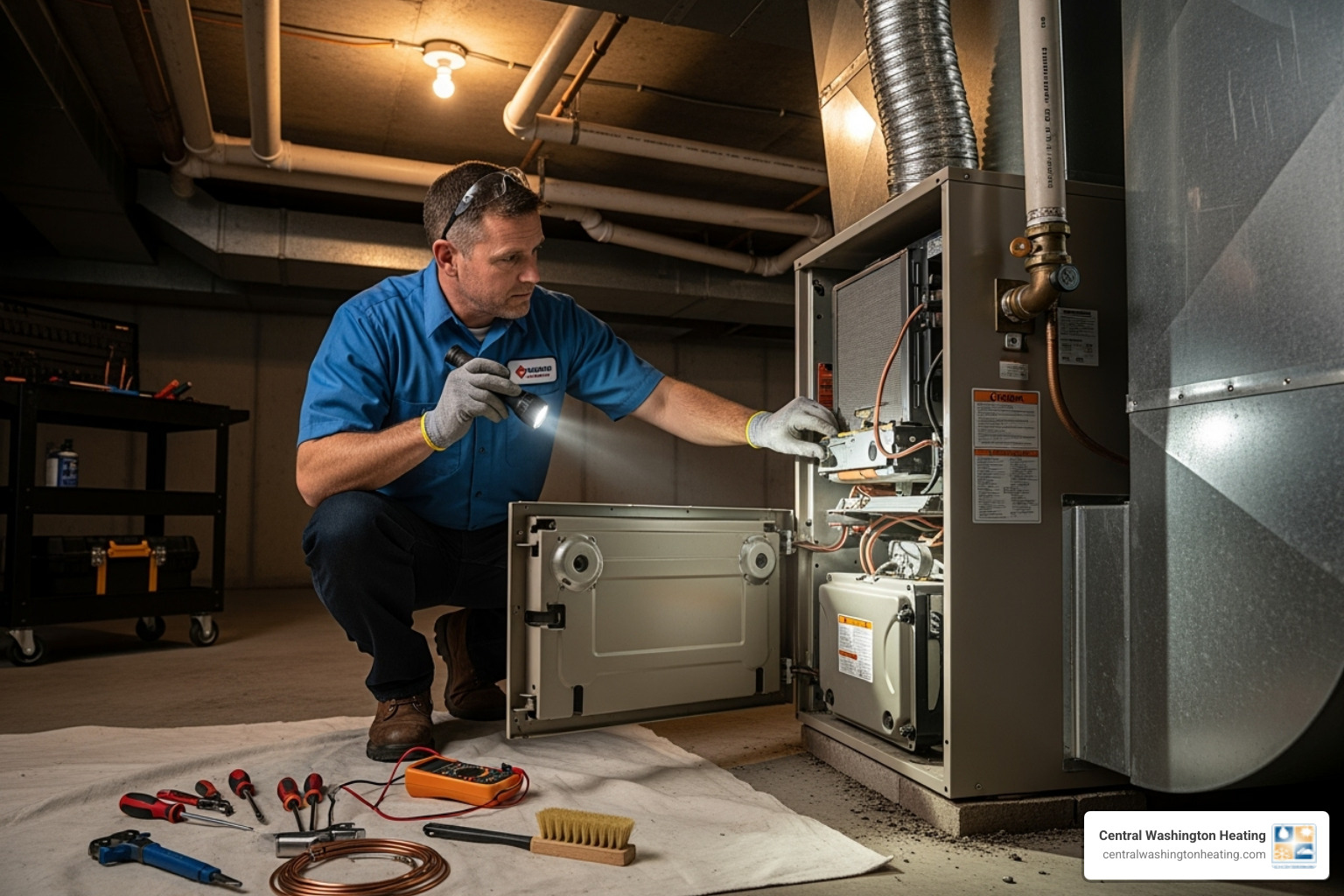
The secret to a quiet air handler isn’t really a secret at all – it’s annual tune-ups. During these professional visits, our certified technicians become air handler detectives, inspecting every component for signs of wear, cleaning parts that have collected dust and debris, and testing systems to ensure everything runs smoothly. It’s amazing how many noisy problems we can prevent by catching small issues before they turn into big, loud ones.
One of the most important maintenance tasks is lubricating moving parts. Your air handler has several components that spin, rotate, and move thousands of times each heating season. The blower motor bearings, for instance, can actually last up to 30 years with proper lubrication. Without it? You’ll hear that telltale squealing or grinding that means metal parts are crying out for help.
Cleaning heat strips is another crucial step that directly prevents those startling booming sounds we discussed earlier. When heat strips accumulate dirt and debris, they can’t ignite gas efficiently, leading to delayed electric heat startup and that alarming bang. Regular professional cleaning keeps the electric heat startup smooth and quiet.
During maintenance visits, technicians also focus on inspecting components throughout your system. They’ll check for loose panels that might rattle, examine belts for signs of wear, and look for early warning signs of more serious issues like indoor coil problems. Catching these issues early means fixing them before they become noisy disruptions to your comfort.
Here’s the beautiful part about preventative care – it actually extends your air handler’s lifespan. A well-maintained air handler doesn’t just run quieter; it runs longer, more efficiently, and breaks down less often. It’s like the difference between a car that gets regular oil changes and one that doesn’t.
While some DIY air handler maintenance can help (like changing filters regularly), comprehensive care requires professional expertise. Our Air handler Services Wenatchee team knows exactly what to look for and how to keep your system running whisper-quiet through even the coldest Central Washington winters.
Prevention is always easier – and less expensive – than repair. Your future self will thank you for investing in regular maintenance when you’re enjoying peaceful, quiet warmth all season long.
Conclusion
When your air handler making loud noise disrupts the peaceful quiet of your Central Washington home, it’s more than just an annoyance – it’s your heating system’s way of asking for help. Think of these sounds as your air handler’s vocabulary, each noise telling you something specific about what’s happening inside that metal cabinet in your basement or utility room.
We’ve walked through the most common air handler “conversations” together, from the concerning boom of delayed electric heat startup that signals dirty heat strips to the urgent screech of a blower motor crying out for lubrication. Some of these messages are simple requests – like a whistling sound asking for a clean air filter – while others are more serious pleas, such as the grinding noise that means “please turn me off before I break completely.”
The truth is, ignoring these sounds is a bit like ignoring a friend who keeps trying to tell you something important. Your air handler noises should not be dismissed, because what starts as a minor issue can snowball into a major headache that affects both your comfort and your safety. A rattling panel might just need a quick tightening, but a rattling indoor coil could put your family at risk.
Safety always comes first in our book. While changing an air filter or tightening a loose panel are perfectly reasonable DIY tasks, the more complex sounds – especially anything involving gas, electrical components, or internal mechanical parts – deserve professional attention. There’s no shame in calling the experts when your air handler starts speaking a language you don’t understand.
The good news? Most of these noisy conversations can be prevented with regular care and attention. Annual tune-ups, routine cleaning, and simple maintenance tasks keep your air handler happy and quiet, ensuring those winter nights remain peaceful and warm.
Your Central Washington home should be your sanctuary, not a place where air handler sounds keep you awake at night. When your heating system starts making noise, don’t let it become the unwelcome soundtrack to your winter. For professional diagnosis and expert service that will restore the quiet comfort you deserve, schedule your air handler repair in Chelan, WA today. Our experienced team knows exactly how to translate your air handler’s language and get it back to its best behavior.

Written by the Central Washington Heating and Air team
The techs and comfort advisors who've kept the Wenatchee Valley heated, cooled, and breathing easy for 30+ years — family & veteran owned, with 40+ years of combined industry experience.
- Licensed & insured · LIC# CENTRWH742JN
- Daikin Comfort Pro certified
- Wenatchee, WA
Last updated July 29, 2026
Ready for comfort you can count on?
Schedule service, request a free estimate, or call now for 24/7 emergency help. Our team is standing by across the Wenatchee Valley.
Get started today
Free estimates on installs · no-pressure, written quotes
Schedule My ServiceCall (509) 776-0247Mon–Fri: 8:00 AM – 4:30 PM · 24/7 for emergencies
Already have a quote? Get a free second opinion →