
East Wenatchee Air handler Fixes: Your Guide to Local HVAC Pros
Is your furnace blowing cold air in East Wenatchee, WA? Find local fixes, DIY tips & pro solutions to restore warmth this winter.
When Your East Wenatchee Air handler Fails to Keep You Warm
A air handler blowing cold air in east wenatchee, wa is a frustrating problem, especially during Central Washington’s cold winters. When you expect warmth and get a blast of cold air, it signals an issue with your heating system. Fortunately, many causes are simple to diagnose, and some you can fix yourself before calling a professional.
Quick Fixes to Try First:
- Check your thermostat – Set fan to AUTO (not ON) and mode to HEAT
- Replace your air filter – A clogged filter restricts airflow and can cause shutdowns
- Inspect vents and registers – Ensure they are open and unblocked
- Check the electric heat control – For older electric air handlers, make sure it’s lit
- Verify gas supply – Confirm the gas valve to the air handler is open
If these checks don’t solve the problem, you may have a mechanical issue like a faulty electric heat startup sequence, dirty sequencer or relay, or leaky ductwork. For comprehensive HVAC support, visit our HVAC services page. When you need expert diagnosis, our team provides professional heating repair in East Wenatchee.
This guide covers the most common reasons your air handler blows cold air, what to check yourself, and when to call a trusted HVAC technician.
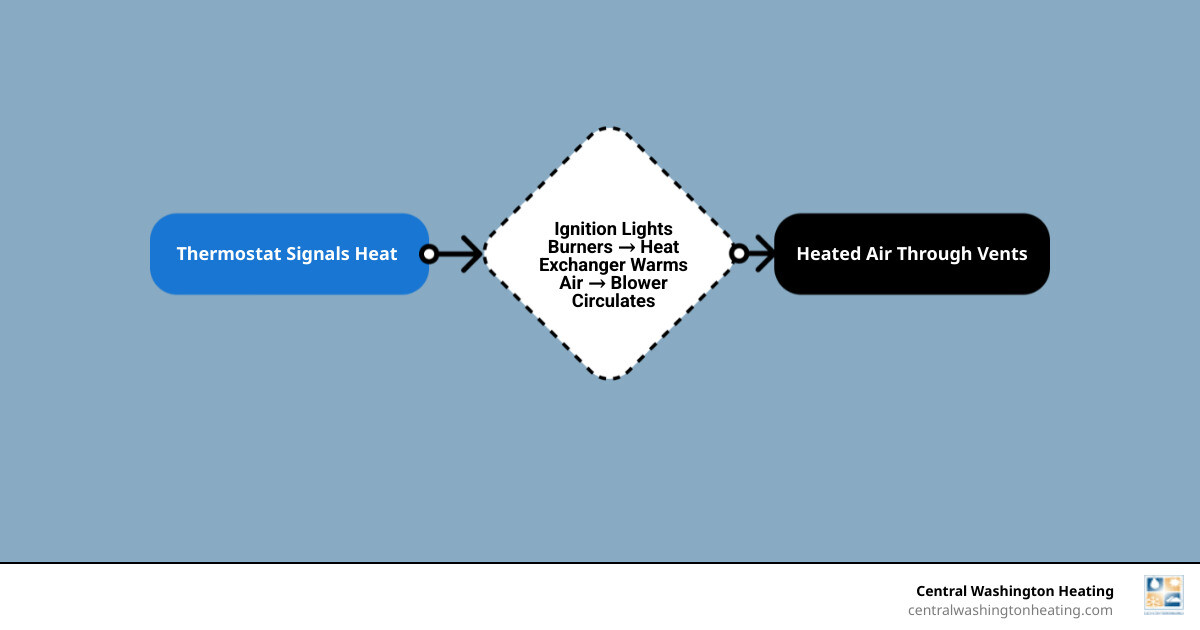
First Steps: Simple DIY Checks for a Air handler Blowing Cold Air
When your air handler blowing cold air in east wenatchee, wa leaves you shivering, don’t panic. Before calling a professional, perform a few straightforward checks. The solution is often simpler than you think and could save you a service call.
Check Your Thermostat Settings First
An incorrect thermostat setting is a surprisingly common culprit. Accidental bumps or even a curious toddler can change your settings without you noticing.
First, confirm your thermostat is set to “Heat” mode. If it’s on “Cool” or “Off,” it will only circulate unheated air. Next, check the fan setting. If the fan is set to “ON,” it runs continuously, blowing cool air between heating cycles. Switch the fan to “AUTO” so it only runs when the air handler is producing heat.
Also, ensure the temperature is set higher than the current room temperature. If your thermostat has batteries, a dim or blank screen means they need replacing. For smart thermostats, a simple reset or power cycle at the breaker can often resolve glitches. For more tips, see this guide on DIY Solutions for Fixing a Air handler Blowing Cold Air.

How a Dirty Air Filter Causes Cold Air
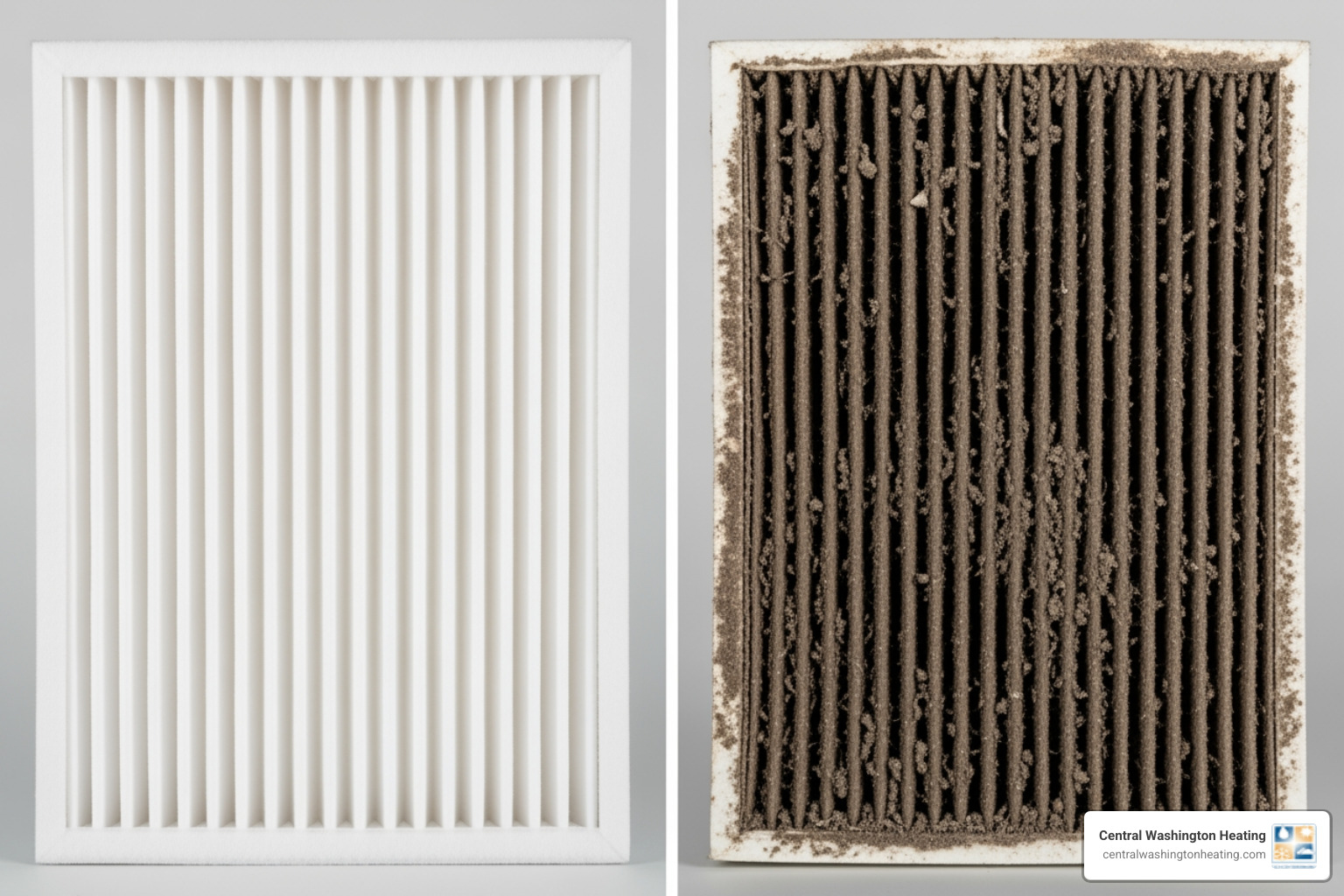
A dirty air filter is the most common cause of a air handler blowing cold air. When clogged with dust and debris, the filter restricts airflow, preventing your air handler from working properly.
This restricted airflow causes the indoor coil to get too hot. A safety device called the limit switch detects this and shuts off the heat strips to prevent damage. However, the blower fan often keeps running, pushing the now-unheated air through your vents. This is your air handler protecting itself from overheating.
A clogged filter also forces your air handler to work harder, increasing energy bills. Replacing a dirty filter can significantly improve your system’s efficiency. Check your filter monthly and replace it every 1-3 months, or more often if you have pets. If restricted airflow has been an ongoing issue, it can strain other parts, as explained in our post about a Air handler Blower Motor is Failing in East Wenatchee. For other warning signs, see our article on Signs You Need Air handler Repair.
Blocked Vents and Registers
Even with a working air handler, blocked vents can make it seem like you’re getting cold air. Take a quick walk through your home to check all supply registers (where warm air comes out) and return air vents (where air is drawn back in).
Furniture, rugs, curtains, or boxes can easily obstruct airflow. When warm air can’t enter a room, it feels like the air handler isn’t working. While it may seem like a good idea to close vents in unused rooms to save energy, this can create pressure imbalances in your ductwork and reduce efficiency. For best performance, keep all supply registers open and unobstructed.
Blocked return air vents are just as problematic, as they prevent the air handler from drawing in enough air to heat. A five-minute check of your vents might be all it takes to restore warmth.
Deeper Diagnostics: Common Mechanical and System Failures
If you’ve checked the basics and your air handler blowing cold air in east wenatchee, wa problem continues, the issue is likely more complex. These problems usually involve mechanical components and are not DIY fixes, but understanding them can help you communicate with an HVAC technician. For a broader look at potential issues, see our guide on Common Air handler Repair Issues.
Signs of Electric heat startup or Fuel Problems Causing a air handler blowing cold air in east wenatchee, wa
Your air handler can’t produce heat if it can’t ignite its fuel. When the electric heat startup process fails, the blower may continue to run, circulating cold air.
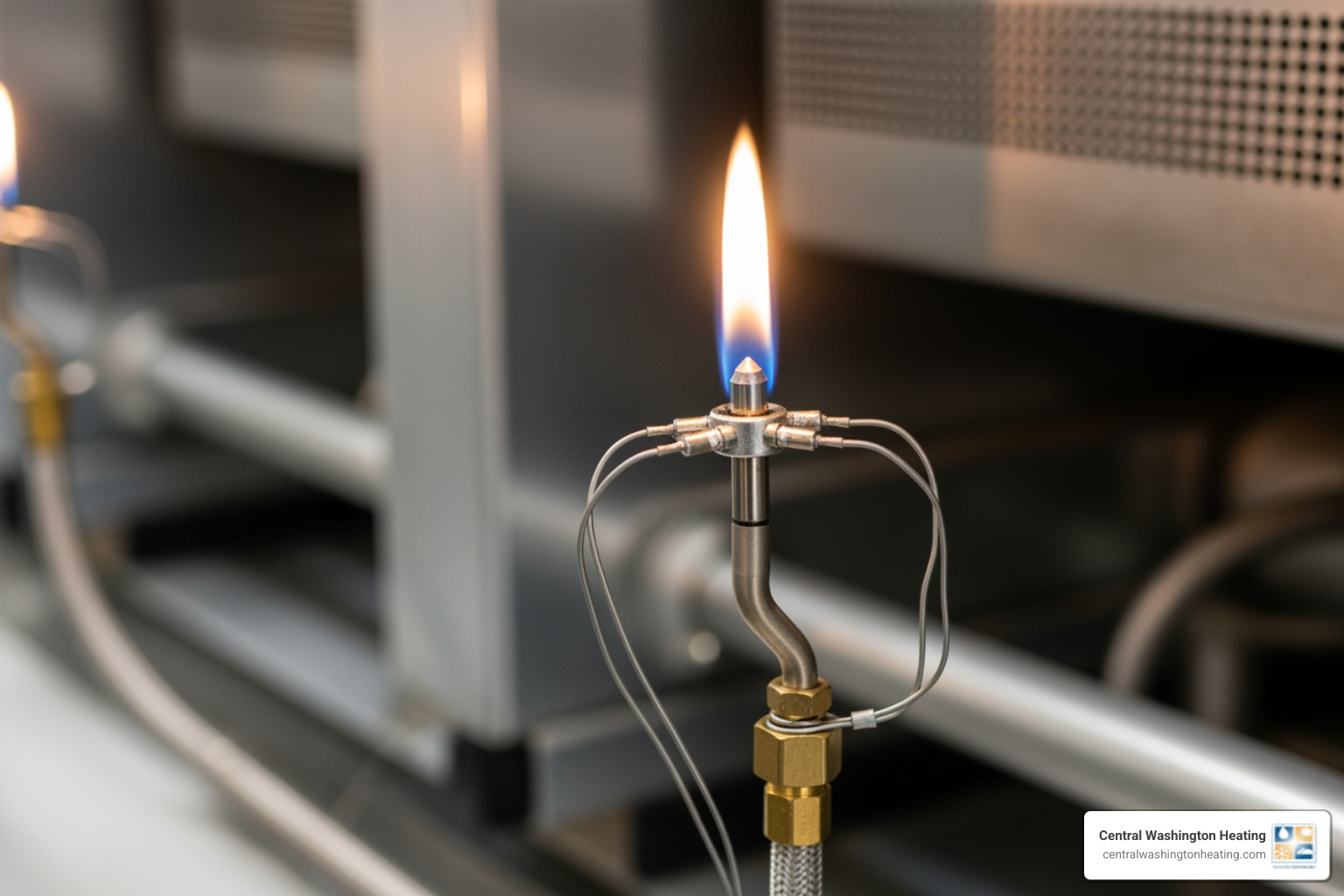
- Older electric air handlers have a electric heat control, a small, constant flame that ignites the main heat strips. If the electric heat control is what allows your air handler to heat up and it has gone out, it may need to be relit. If it won’t stay lit, it requires professional service.
- Newer air handlers use electronic sequencers or relays. If you hear clicking but no electric heat startup, or nothing at all, the sequencer or relay may have failed.
- Fuel Supply: Ensure the gas shut-off valve near the air handler is open (handle parallel to the pipe). If you use electric auxiliary heat or heating oil, check that your tank isn’t empty.
Safety Note: If you smell gas (a rotten egg odor), leave your home immediately. Do not use any electronics or light switches. Call your gas provider and emergency services from a safe distance. For more troubleshooting, see our article on a Air handler Not Heating.
Malfunctioning Safety Switches and Sensors
Modern air handlers have safety switches that can malfunction and shut down the heating process, even when no danger is present.
- Sequencer or relay: This metal rod confirms a flame is present. If it’s dirty with soot, it can’t detect the flame and will shut off the gas supply as a safety measure. The heat strips may light for a few seconds and then go out.
- Limit Switch: This sensor monitors the indoor coil’s temperature. If restricted airflow causes overheating, the limit switch shuts off the heat strips. The blower continues to run to cool the unit, sending cold air through your vents.
- Pressure Switch: This switch ensures that exhaust gases are venting properly. A blockage in the flue pipe can cause it to prevent electric heat startup.
When these components fail, your air handler might short cycle (turn on and off rapidly). If you experience this, our guide on Troubleshooting a Air handler That Won’t Turn On can offer more insight.
The Role of the Condensate Line in High-Efficiency Air handlers
High-efficiency air handlers (90% AFUE or higher) produce condensation (water) as a byproduct. This water drains away through a plastic condensate line.
If this line becomes clogged with algae or debris, water backs up. A float switch in the system detects the high water level and shuts down the entire air handler to prevent water damage. You might notice water pooling near your air handler. While some homeowners can clear the clog using a wet/dry vac, as shown in this video on unclogging the condensate drain line, persistent clogs require professional service to address the underlying cause.
Understanding Airflow, Safety, and Regional Factors
Beyond individual components, airflow through your home and critical safety concerns are vital for comfort and safety, especially with East Wenatchee’s freezing winter temperatures.
How Leaky Ductwork Leads to Cold Air
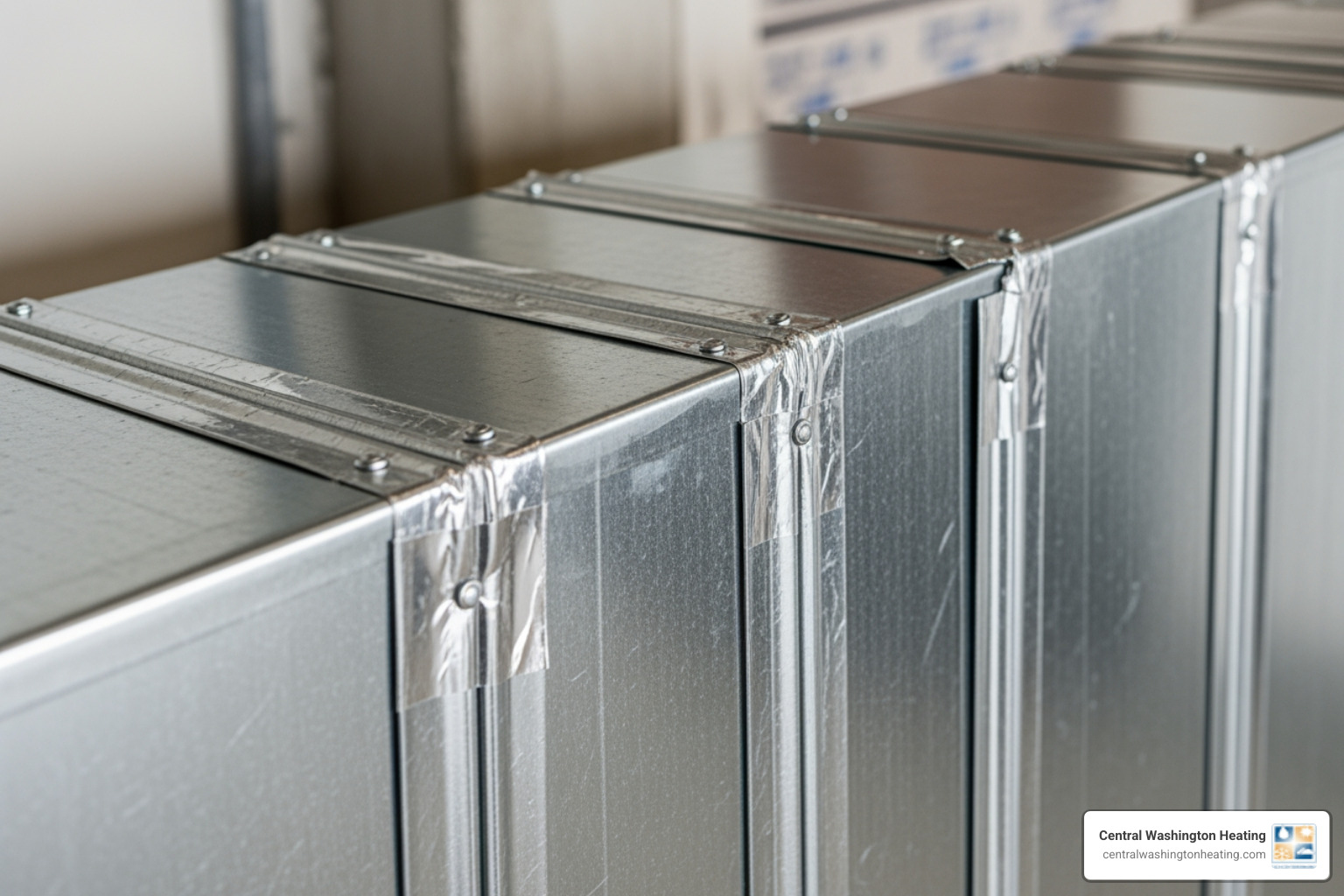
Your air handler might be producing plenty of heat, but if your ductwork has leaks, that warm air won’t reach your rooms. According to Energy Star, leaky ducts can lose 20-30% of heated air to unconditioned spaces like attics and crawl spaces.
Leaky return ducts are also a problem, as they can pull cold air from these unheated areas into the air handler. This cold air mixes with and cools down the heated air before it’s circulated. A common sign of leaky ductwork is uneven heating, where some rooms are warm and others are cold.
While you can seal small, accessible leaks with HVAC foil tape (not standard duct tape), a comprehensive inspection is often needed. For professional ductwork repair, our team at HVAC Services East Wenatchee, WA can ensure your heated air gets where it needs to go.
The Critical Safety Risks: Overheating and Electrical safety
While a air handler blowing cold air in east wenatchee, wa is an inconvenience, some underlying causes pose serious safety hazards.
Overheating, often caused by a clogged filter, puts stress on air handler components. Repeated overheating can lead to a cracked indoor coil, one of the most dangerous air handler problems. The indoor coil separates your breathable air from overheated air. A crack can allow deadly electrical safety (CO) to leak into your home’s air supply. CO is invisible and odorless, and the dangers of electrical safety can be fatal.
For this reason, working electrical safety detectors on every level of your home are essential. Test them monthly. If your CO detector alarms or you smell gas, evacuate your home immediately and call for emergency help from a safe location.
Initial Cool Air vs. Continuously Blowing Cold Air
It’s important to know what’s normal versus what indicates a problem.
- A brief blast of cool air is normal. Most air handlers have a “blower delay” that waits 30-90 seconds for the indoor coil to warm up before the fan starts. This prevents an initial blast of cold air.
- Continuously blowing cold air is a problem. If the air doesn’t warm up after a few minutes, it means the heating cycle isn’t completing. This requires troubleshooting.
Understanding this difference can help you diagnose the issue. For more information, see this guide on Why Is My Air handler Blowing Cold Air?.
When to Call for Professional Air handler Repair in East Wenatchee, WA
While DIY checks are a great first step, some problems require professional expertise to ensure safety and prevent further damage. In East Wenatchee, a working air handler is essential for protecting your home from freezing temperatures. Attempting complex repairs on gas or electrical systems without training can be dangerous.
Key Signs You Need Professional Help for a air handler blowing cold air in east wenatchee, wa
If you’ve tried the basic checks and your air handler blowing cold air in east wenatchee, wa problem persists, it’s time to call for Air handler Repair East Wenatchee, WA. Call a professional immediately if you notice any of the following:
- Smell of Gas: If you smell rotten eggs, evacuate immediately and call your gas provider from outside. This is a serious emergency.
- Loud or Unusual Noises: Banging, grinding, or screeching sounds often signal failing mechanical parts, such as the blower motor or a cracked indoor coil.
- Short Cycling: If your air handler turns on and off every few minutes without completing a heating cycle, it indicates a problem like overheating or a faulty sensor that needs professional diagnosis.
- Electrical Issues: Frequently tripped breakers or a burning smell point to electrical faults that pose a fire hazard.
- No Electric heat startup: If the air handler blower runs but the heat strips never light, the problem is likely with the electric heat startup sequence or gas valve, which requires expert service.
- Persistent Problems: If you’ve replaced the filter and checked the thermostat but still have cold air, the issue is deeper within the system.
Preventing Future Problems with Regular Maintenance
The best way to avoid an emergency breakdown is with regular, professional maintenance. An annual tune-up is like an oil change for your air handler—essential for reliability and longevity.
During a fall tune-up, a technician will clean components, test safety controls, inspect the indoor coil, and check electrical connections. This preventative service catches small issues before they become major, expensive repairs. It also ensures your system runs efficiently, lowering your energy bills.
A well-maintained air handler can last 15-20 years, while a neglected one may fail much sooner. Regular maintenance provides better performance, improved air quality, and peace of mind. For more tips, see our guide on Air handler Maintenance Tips for Homeowners. To schedule your annual service, contact our HVAC Maintenance East Wenatchee, WA team.
Frequently Asked Questions about Air handlers Blowing Cold Air
When your air handler acts up during an East Wenatchee winter, you’re bound to have questions. Here are answers to the ones we hear most often.
Is it normal for my air handler to blow cool air when it first turns on?
Yes, it’s normal to feel cool air for a minute or two. This is due to a “blower delay,” a feature that allows the indoor coil to warm up before the fan starts circulating air. This prevents a blast of cold air. If the air stays cold for more than a few minutes, however, you have a problem.
Why does my air handler run for a few minutes then shut off?
This is called short cycling. The most common cause is a dirty air filter restricting airflow, which causes the air handler to overheat and trigger a safety shutdown. Other causes include a malfunctioning sequencer or relay or an improperly sized air handler. Start by replacing the air filter; if the problem continues, call a professional.
What are the long-term consequences of ignoring a air handler that blows cold air?
Ignoring a air handler blowing cold air in east wenatchee, wa can lead to more than just discomfort. The consequences include:
- Higher Energy Bills: A struggling air handler works harder and uses more fuel.
- Premature Component Failure: The extra strain wears out parts like the blower motor and control board much faster.
- Shortened Air handler Lifespan: Neglect can cut a air handler’s 15-20 year lifespan in half.
- Serious Safety Hazards: Some issues, like a cracked indoor coil, can lead to dangerous electrical safety leaks.
- More Expensive Repairs: A minor issue today can become a major breakdown tomorrow. Addressing problems promptly protects your wallet, comfort, and safety.
Conclusion: Restoring Warmth to Your East Wenatchee Home
When your air handler blowing cold air in east wenatchee, wa disrupts your comfort, many issues have simple solutions. Checking your thermostat, replacing a dirty air filter, or ensuring your vents are clear can often resolve the problem. However, more complex issues like a malfunctioning sensor, a clogged condensate line, or an electric heat startup sequence failure require professional expertise.
Your safety should always be the top priority. If you smell gas, hear loud noises, or suspect a serious mechanical failure, do not attempt a DIY fix. These situations demand immediate attention from a qualified technician.
Our team at Central Washington Heating has helped East Wenatchee homeowners steer cold winters for years. We know that proactive maintenance and timely repairs are the key to saving money and avoiding stress. A small repair today can prevent a complete system breakdown on the coldest night of the year.
If you’ve tried the basic troubleshooting steps and are still getting cold air, or if you’re ready to schedule your annual maintenance, we can help. Contact Us today to book an appointment with our experienced technicians. If your air handler is nearing the end of its life, we can also guide you through options for a new Air handler Installation in East Wenatchee, WA to ensure your home stays warm for years to come.

Written by the Central Washington Heating and Air team
The techs and comfort advisors who've kept the Wenatchee Valley heated, cooled, and breathing easy for 30+ years — family & veteran owned, with 40+ years of combined industry experience.
- Licensed & insured · LIC# CENTRWH742JN
- Daikin Comfort Pro certified
- Wenatchee, WA
Last updated July 29, 2026
Ready for comfort you can count on?
Schedule service, request a free estimate, or call now for 24/7 emergency help. Our team is standing by across the Wenatchee Valley.
Get started today
Free estimates on installs · no-pressure, written quotes
Schedule My ServiceCall (509) 776-0247Mon–Fri: 8:00 AM – 4:30 PM · 24/7 for emergencies
Already have a quote? Get a free second opinion →