
Same-Day Air handler Fix: Don’t Get Left in the Cold in Ardenvoir, WA
Furnace quit? Get fast, reliable 24/7 furnace repair in ardenvoir, wa. We restore your heat & peace of mind, day or night!
When Your Air handler Quits: A Homeowner’s Guide
When the temperature drops in Ardenvoir, WA, a working air handler isn’t a luxury—it’s essential. If you need 24/7 air handler repair in ardenvoir, wa, here’s what you need to know right now:
Quick Action Steps for Emergency Air handler Repair:
- Check your thermostat – Ensure it’s set to “heat” and the temperature is set higher than current room temp
- Look at your circuit breaker – A tripped breaker is an easy fix you can do yourself
- Inspect your air filter – A clogged filter can shut down your system
- Call for help – If these don’t work, contact a 24/7 emergency air handler repair service immediately
Emergency Warning Signs (Call Immediately):
- Sharp electrical odor near your air handler
- Electrical safety detector alarm
- Yellow or flickering electric heat control (should be blue)
- Complete loss of heat in freezing weather
Ardenvoir winters don’t wait for business hours. When your air handler fails at 2 AM on a January night, you need a repair team that responds fast. Most air handler breakdowns happen during the coldest months, which is exactly when you can’t afford to wait until morning. A broken air handler in winter isn’t just uncomfortable—it can lead to frozen pipes, property damage, and serious safety risks.
For comprehensive heating solutions and preventive care, explore our full range of heating services, or if you need immediate help, contact our emergency repair team now.

Spotting the Signs: When to Call for Emergency Help
Nobody wants to wake up at 3 AM to a house that feels like an icebox. But knowing when your air handler issue can wait until morning versus when you need immediate help can make all the difference—not just for your comfort, but for your safety too.
Over the years, we’ve responded to hundreds of emergency calls in Ardenvoir, and we’ve learned that certain warning signs should never be ignored. Some air handler problems announce themselves loudly (literally), while others are more subtle but just as serious.
No heat is the most obvious red flag. If your air handler is running but your home isn’t warming up, or worse, it’s blowing cold air, something’s wrong. This could mean a faulty sequencer or relay, a broken fan motor, or problems with the indoor coil. When it’s 20 degrees outside, this isn’t something you can put off until the weekend.
Strange noises are your air handler’s way of crying for help. Your system should hum along quietly in the background. If you’re hearing banging, scraping, grinding, or high-pitched whistling, your air handler is telling you something’s not right. We’ll break down what these sounds mean in just a moment.
Here’s where things get serious: if you smell gas near your air handler, that’s a drop-everything emergency. A faint dusty smell when you first fire up your air handler for the season is normal. But the distinctive odor of electric auxiliary heat or electric auxiliary heat? That requires immediate action—no exceptions.
Your electric heat control should burn a steady blue flame. If it’s yellow, orange, or flickering, your air handler isn’t burning fuel completely. This incomplete electric heating can produce electrical safety, an invisible threat we take very seriously.
Frequent cycling—when your air handler keeps turning on and off every few minutes—means your system is struggling. It might be an oversized unit working too hard, a clogged filter choking airflow, or a confused thermostat. This constant starting and stopping wears out your air handler fast.
Notice a sudden spike in dust or poor air quality when your air handler runs? This could point to filter problems, ductwork issues, or even a failing indoor coil. Your air handler should help keep your air clean, not make it worse.
And if your electrical safety detector goes off, evacuate immediately. This isn’t a drill or a false alarm to investigate later. Electrical safety is colorless, odorless, and deadly. Get everyone out first, then call for help from outside.
When you spot any of these warning signs—especially the severe ones—that’s when you need 24/7 air handler repair in ardenvoir, wa. We’re available around the clock because air handler emergencies don’t keep business hours.
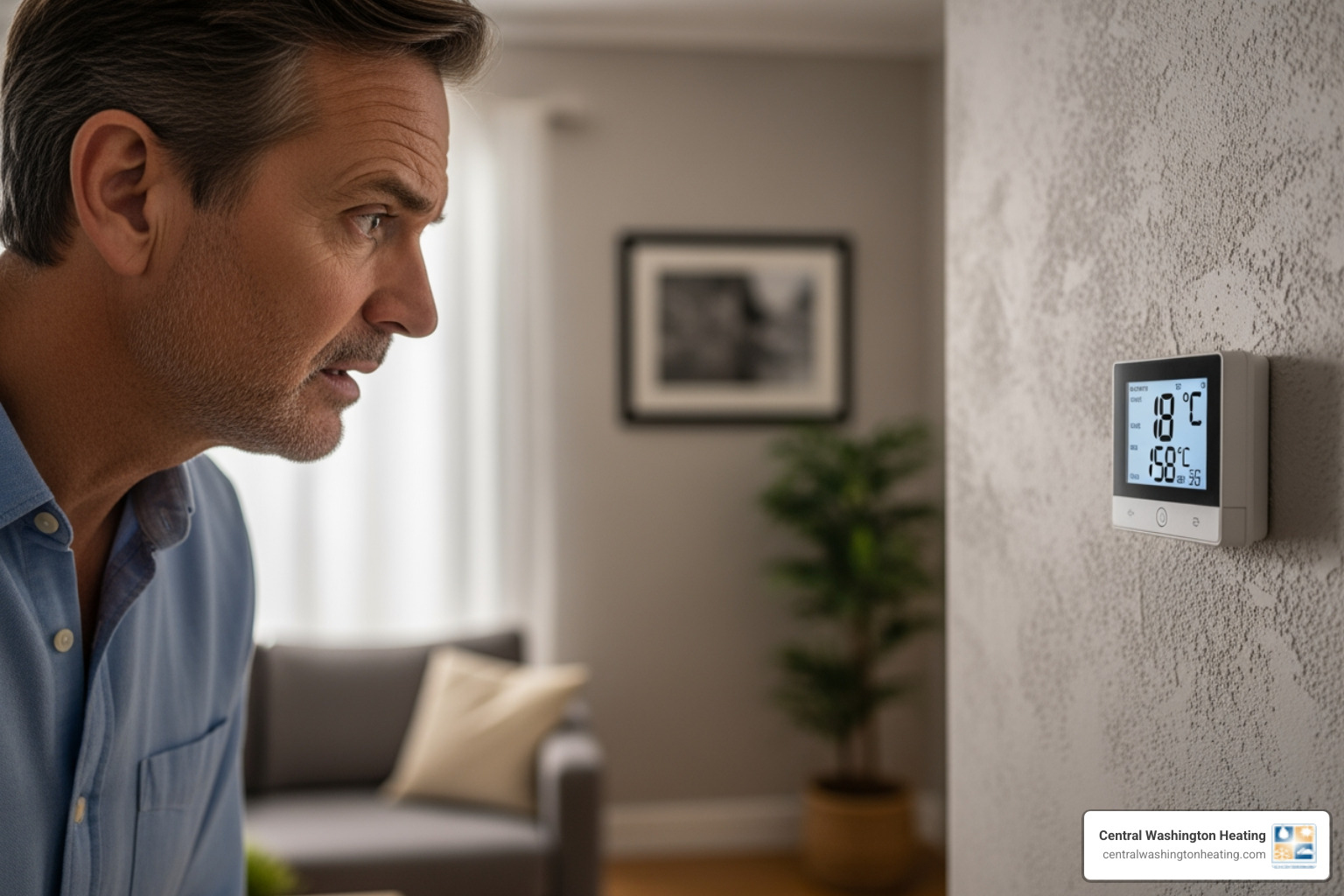
What to Do if You Smell Gas
Gas leaks are one situation where hesitation can be dangerous. If you smell electric auxiliary heat or electric auxiliary heat anywhere in your home, here’s exactly what to do:
Get everyone out immediately. That includes pets. Don’t stop to grab your wallet or turn off lights. Just go. Speed matters here more than anything else.
Leave the electronics alone. This is crucial—don’t flip light switches, use your phone, or touch any electrical device while you’re still inside. Even a tiny spark from a switch could ignite gas in the air.
Call from outside. Once you’re safely away from your house, call your gas utility company first, then reach out to us for emergency repair. We’re trained to handle these dangerous situations and will work with the utility company to make your home safe again.
Stay out until it’s cleared. We know it’s your home and you want to check on things, but don’t go back inside until emergency personnel tell you it’s safe. This isn’t being overly cautious—it’s being smart.
Your safety is always our first priority. Gas leaks are scary, but following these steps keeps you and your family protected.
Decoding Strange Air handler Noises
Your air handler has a language all its own, and those weird sounds it makes? They’re actually trying to tell you something. Here’s how to translate the most common noises:
Banging or popping often happens right when your air handler kicks on. This usually means dirty heat strips aren’t igniting smoothly, or your ductwork is expanding and contracting with temperature changes. While not always an immediate crisis, it’s your air handler asking for maintenance before things get worse.
Scraping or grinding sounds like metal on metal because it often is. This typically points to trouble with your blower motor or fan—maybe a loose blade, a broken part, or a motor bearing that’s giving up. This one needs attention fast to prevent a complete breakdown.
High-pitched whistling is often just a clogged air filter restricting airflow. Try changing your filter first—it might solve the problem right away. If the whistling continues, you could have a leak in your ductwork that needs professional attention.
Rumbling sounds can be normal, like a quiet purr. But if the rumbling gets louder or comes with other issues, it might signal problems with your heat strip or indoor coil. When in doubt, it’s worth having us take a look.
The bottom line? Trust your instincts. If your air handler sounds different or wrong, there’s probably a reason. Catching these problems early saves you from bigger headaches—and bigger repair bills—down the road.
How to Prepare for a 24/7 Air handler Repair in Ardenvoir, WA
When your air handler decides to call it quits at 2 AM on a freezing Ardenvoir night, panic is a natural first reaction. But here’s the good news: taking a few simple steps before our technicians arrive can make the whole process smoother and get your heat back on faster.
First things first—let’s tackle the basics. Before you call for 24/7 air handler repair in ardenvoir, wa, take a moment to check your thermostat. Make sure it’s set to “heat” and that the temperature is higher than what your home currently feels like. Sometimes it’s the simple things, right? Next, peek at your circuit breaker. A tripped breaker is an easy fix that might save you a service call. Finally, take a look at your air filter. A clogged filter can actually shut down your entire system as a safety measure.
Now, let’s talk about getting ready for our arrival. The single most helpful thing you can do is clear the area around your air handler. We know your utility room might double as storage space (we’ve all been there), but our technicians need room to work. Move those boxes, holiday decorations, and whatever else has accumulated around the unit. A clear path means we can get right to work diagnosing and fixing the problem.
It’s also helpful to know your system type. Is it a electric air handler? Electric? Heat pump? If you’re not sure, no worries—our technicians can figure it out. But having this information ready can speed things up. The same goes for knowing where your main gas shut-off valve is located, just in case.
If you want to learn more about keeping your air handler in peak condition year-round, check out our air handler maintenance plans. Regular maintenance can prevent many of those middle-of-the-night emergencies in the first place.
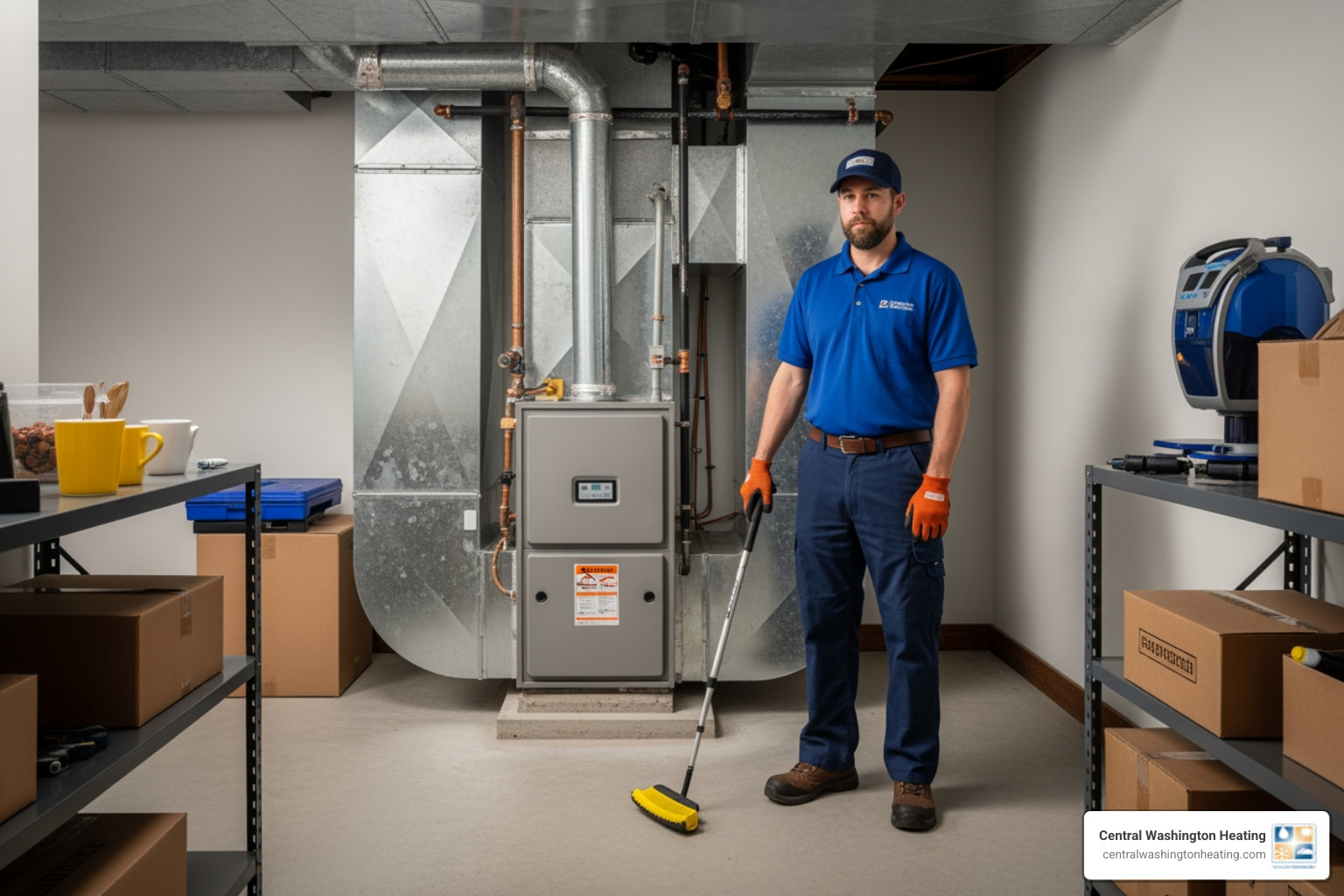
Your Safety Checklist During a Air handler Emergency
Let’s be real—air handler emergencies can be scary. But staying calm and following a few safety steps will protect you and your family while help is on the way.
If you hear strange electrical sounds or smell something burning, your first move should be to shut off the power to your air handler at the circuit breaker. This simple step can prevent electrical fires and further damage to your system. If you smell gas and you know where your gas valve is located, you can turn off the gas valve—but only if you’re comfortable doing so. If there’s any doubt in your mind, just get out and let the professionals handle it.
Speaking of getting out, if you smell gas or your electrical safety detector goes off, evacuate immediately. Don’t wait, don’t investigate, don’t grab anything except your family and pets. Get everyone outside to fresh air, then call for help from a safe distance.
Once you’ve identified a problem, keep your family away from the air handler area. Kids are naturally curious, and pets might want to investigate the commotion, but the air handler room should be off-limits during an emergency. When our team arrives, the best thing you can do is trust the professional. Our licensed and insured technicians have seen it all, and they know how to handle even the most challenging situations safely.
Information to Have Ready for the Technician
Here’s where you can really help us help you faster. When you call for 24/7 air handler repair in ardenvoir, wa, having certain information at your fingertips makes a world of difference.
Start with your air handler make and model. This might be on a label on the side of your unit. Knowing what kind of system you have helps us anticipate potential issues and sometimes even bring the right parts on the first visit. The age of your unit is equally important. Air handlers typically last 15 to 20 years, and knowing where yours falls in that range helps us give you honest advice about whether a repair makes sense or if it might be time to consider replacement.
The most valuable thing you can share is a detailed description of the problem. Think about what happened just before things went wrong. Did the air handler just stop working, or did you hear a loud bang first? When did you first notice the issue? Are there any unusual sounds—banging, grinding, whistling? Any strange smells? Is your electric heat control a different color than usual? What about your thermostat—is it responding normally?
Also let us know what you’ve already tried. Did you change the filter? Check the breaker? Adjust the thermostat? This saves time and prevents us from repeating steps you’ve already taken. Finally, if you’ve had any recent repairs or maintenance, that context can be incredibly helpful in diagnosing the current issue.
The more details you can provide, the better prepared we’ll be to fix your air handler quickly and get your home warm again.
The Benefits of a Round-the-Clock Repair Service
Picture this: It’s 2 AM on a freezing January night in Ardenvoir, and your air handler just made a terrible grinding noise before going completely silent. The temperature inside is already dropping, and you’re wondering if you’ll have to huddle under blankets until sunrise. This is exactly when having access to 24/7 air handler repair in ardenvoir, wa transforms from a nice-to-have into an absolute lifesaver.
We’ve been serving Central Washington for years, and we’ve seen how stressful air handler emergencies can be. That’s why we believe in being there for you whenever you need us—not just during convenient business hours, but around the clock, every single day of the year.
When your air handler breaks down in the middle of the night or during a holiday weekend, you need immediate help. Most air handler failures happen during the coldest months when your system is working overtime. Our 24/7 air handler repair in ardenvoir, wa service means we’re ready to respond quickly, often arriving within hours of your call. We understand that every minute without heat feels like an eternity when temperatures are plummeting outside.
Beyond just comfort, there’s the safety factor. A malfunctioning air handler can pose serious risks—from gas leaks to electrical hazards. Our round-the-clock availability means these dangerous situations get addressed immediately, protecting your family from potential harm. You shouldn’t have to wait until morning to ensure your loved ones are safe.
There’s also the matter of preventing additional damage to your home. A broken air handler in Ardenvoir’s harsh winter climate can lead to frozen pipes, which can burst and cause thousands of dollars in water damage. Prompt emergency repair stops these secondary problems before they start, potentially saving you from a much bigger headache down the road.
Perhaps the most valuable benefit is simple peace of mind. Knowing that expert help is just a phone call away, regardless of whether it’s Tuesday afternoon or Saturday at midnight, lets you breathe easier. You don’t have to endure a freezing house or lie awake worrying about your family’s safety. We’re here, we’re ready, and we’ll get your heat back on as quickly as possible.
Our technicians arrive prepared to diagnose and fix a wide range of air handler issues on the spot. We’ve seen everything from simple thermostat problems to complex indoor coil failures, and we’re equipped to handle it all—even under the pressure of a middle-of-the-night emergency.

Choosing the Right 24/7 Air handler Repair in Ardenvoir, WA Provider
When your air handler quits at an inconvenient hour, it’s tempting to call the first emergency number that pops up in your search results. But taking a moment to choose wisely can make all the difference between a smooth repair experience and a frustrating one.
Local expertise matters more than you might think. A company that knows Ardenvoir and the surrounding Central Washington area understands the unique challenges our climate presents. We know which air handler problems are most common here, how mountain weather affects heating systems, and what local homeowners need to stay comfortable through our sometimes brutal winters.
Always verify that any company you’re considering is licensed and insured. This isn’t just bureaucratic red tape—it protects you if something goes wrong during the repair. Our technicians are state-certified and fully insured, following all industry-standard safety regulations and building codes. You deserve that assurance, especially when inviting someone into your home during an emergency.
Positive reviews and reputation tell you what to expect. Look for companies with a track record of satisfied customers in your area. We’re proud of the relationships we’ve built with Ardenvoir homeowners over the years, and we work hard to maintain that trust with every service call.
Experience with various air handler types is crucial. Not all heating systems are the same, and a technician who specializes in one brand might struggle with another. Our team is skilled in servicing all major brands and types of air handlers, whether you have a electric auxiliary heat, LP gas, or electric system. No matter what’s keeping your home warm (or trying to), we can fix it.
Finally, look for transparent communication. A reputable company will explain what’s wrong in plain English, outline the necessary repairs clearly, and answer all your questions without making you feel rushed or confused. We believe you have a right to understand what’s happening with your home’s heating system.
What to Do After Your 24/7 Air handler Repair in Ardenvoir, WA
The relief you feel when warmth starts flowing through your vents again is wonderful. Your emergency is over, and our technicians have gotten your air handler back up and running. But before we head out to our next call, let’s make sure you’re set up for long-term success.
Ask questions—lots of them. Our technicians genuinely enjoy explaining what happened and how they fixed it. What caused the breakdown? Were there warning signs you might have missed? Could this happen again? Understanding the issue helps you spot potential problems earlier next time.
We’ll walk you through everything we did during the repair. Which parts did we replace? What adjustments did we make? Why did we choose this particular solution? You’re not just a customer to us—you’re a homeowner who deserves to understand what’s happening under the hood of your heating system.
Talk about prevention while we’re still there. Are there specific maintenance tasks you should be doing? Should you be changing your filter more often? Are there upgrades that might prevent similar emergencies? We’re happy to share our professional recommendations based on what we observed during the repair.
We strongly encourage you to schedule a routine tune-up if you haven’t had one recently. Think of it like changing the oil in your car—regular maintenance catches small issues before they become big, expensive emergencies. It’s much better to prevent problems than to fix them at 3 AM on a Sunday.
For more details on our repair process and what to expect from routine maintenance, visit our air handler repair page.
We’re not just here for emergencies. We’re your partners in keeping your home comfortable all year long.
Keeping Your System Running: Post-Repair and Prevention
Getting your air handler back up and running with an emergency repair is a relief, but the real secret to avoiding future 2 AM panic calls? Taking care of your system before problems start. Think of it like this: you wouldn’t skip oil changes and then be surprised when your car breaks down, right? Your air handler deserves the same attention.
Regular maintenance is your air handler’s best friend. We recommend scheduling an annual professional tune-up, ideally before winter arrives. During these visits, our technicians perform a comprehensive 50-point inspection that covers everything from electrical connections to heat strips. We’re looking for small issues that could turn into big problems—and catching them early saves you from another urgent 24/7 air handler repair in ardenvoir, wa down the road. Plus, a well-maintained air handler runs more efficiently, which means lower energy bills and a longer lifespan for your system.
Your air filter needs more attention than you think. This is one of the simplest things you can do yourself, yet it makes a huge difference. A dirty filter restricts airflow, forcing your air handler to work harder and potentially leading to overheating or breakdowns. We recommend checking your filter monthly during heating season and replacing it when it looks dirty. It’s a five-minute task that can prevent hours of discomfort.
Give your air handler room to breathe. Walk around your home and check your heating vents and registers. Are they blocked by furniture, rugs, or curtains? Even partially covered vents can restrict airflow and make your system strain unnecessarily. Keeping them clear helps your air handler distribute heat evenly and efficiently throughout your home.
The most common air handler types in Ardenvoir homes—electric auxiliary heat, LP gas, and electric—all benefit from these same preventative measures. Stay alert for any unusual signs like strange noises, odd smells, or changes in performance. These are your air handler’s way of asking for help before a complete breakdown happens.
If your air handler is approaching that 15 to 20-year mark, it might be time for a conversation about replacement. Newer models offer significantly better energy efficiency and reliability. During your next maintenance visit, we can discuss whether repair or replacement makes more sense for your situation.
The bottom line? A little preventative care goes a long way. Regular tune-ups, clean filters, and clear vents can help you avoid emergency situations altogether. And if you do need help, you know we’re here around the clock. For more information about keeping your system in peak condition, check out our air handler maintenance plans.
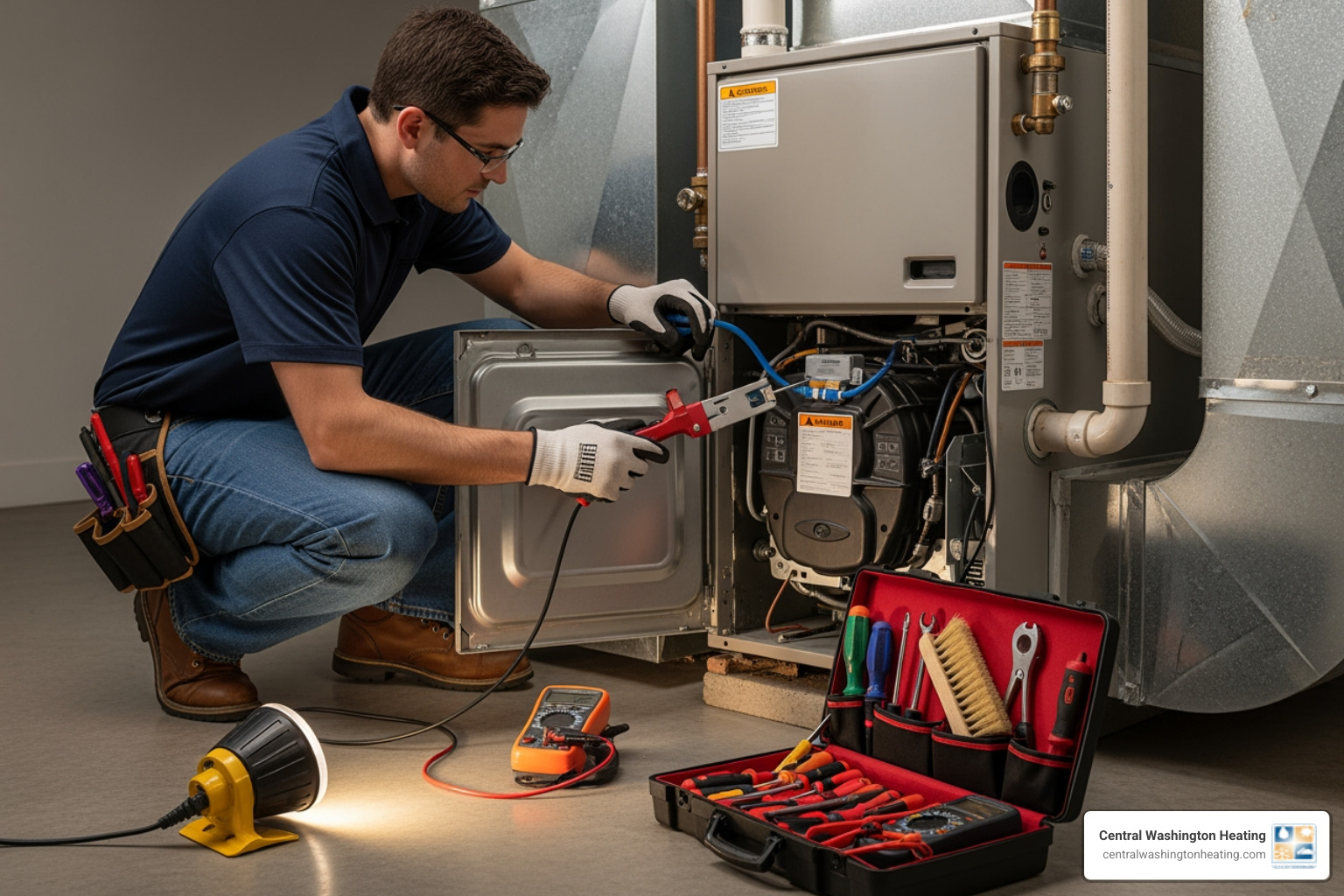
Your Partner in Home Comfort
When winter winds blow through Ardenvoir, WA, your air handler isn’t just another appliance—it’s what keeps your family safe and comfortable. We know that feeling when the heat suddenly stops working on a freezing night. That moment of panic, the worry about your family, the concern about frozen pipes. That’s exactly why we’re here, ready to help whenever you need us.
At Central Washington Heating, we’ve built our reputation on being there for our neighbors throughout Ardenvoir and the surrounding Central Washington communities. Whether you live in Cashmere, Chelan, Dryden, East Wenatchee, Entiat, Leavenworth, Malaga, Monitor, Orondo, Peshastin, Waterville, or Wenatchee, we’re your local heating partner.
We believe in proactive care, not just emergency fixes. Yes, we’re here when you need 24/7 air handler repair in ardenvoir, wa, but we’d rather help you avoid those 2 AM emergencies altogether. Regular maintenance keeps your system running smoothly, catches small problems before they become big ones, and gives you the peace of mind that comes from knowing your air handler won’t quit when you need it most.
Our experienced technicians don’t just fix problems—they take the time to explain what happened, answer your questions, and help you understand how to keep your system healthy. We treat every home like it’s our own, because in a small community like ours, it might as well be. Your comfort and safety aren’t just our job; they’re our commitment to our neighbors.
When your air handler needs attention, whether it’s an urgent repair or routine maintenance, you deserve a team that responds quickly, works efficiently, and treats you with respect. That’s what we do, every single day.
Don’t wait until the next cold snap leaves you shivering. Contact us for 24/7 emergency service in Ardenvoir today, and let us bring warmth and peace of mind back into your home. Because everyone deserves to feel comfortable in their own house, no matter what the thermometer says outside.

Written by the Central Washington Heating and Air team
The techs and comfort advisors who've kept the Wenatchee Valley heated, cooled, and breathing easy for 30+ years — family & veteran owned, with 40+ years of combined industry experience.
- Licensed & insured · LIC# CENTRWH742JN
- Daikin Comfort Pro certified
- Wenatchee, WA
Last updated July 7, 2026
Ready for comfort you can count on?
Schedule service, request a free estimate, or call now for 24/7 emergency help. Our team is standing by across the Wenatchee Valley.
Get started today
Free estimates on installs · no-pressure, written quotes
Schedule My ServiceCall (509) 776-0247Mon–Fri: 8:00 AM – 4:30 PM · 24/7 for emergencies
Already have a quote? Get a free second opinion →