
Don’t Get Chilled: Diagnose and Fix Your Cold Air Air handler in Chelan and Beyond
Is your furnace blowing cold air in Chelan, WA? Diagnose common issues, try DIY fixes, and know when to call for expert repair.
Why Your Air handler is Blowing Cold Air in Chelan, WA
When you’re facing a air handler blowing cold air in chelan, wa during winter, it’s more than just uncomfortable—it’s a signal that your heating system isn’t working correctly. Whether you’re in Chelan, Wenatchee, or anywhere across Central Washington, a air handler circulating cold air demands immediate attention.
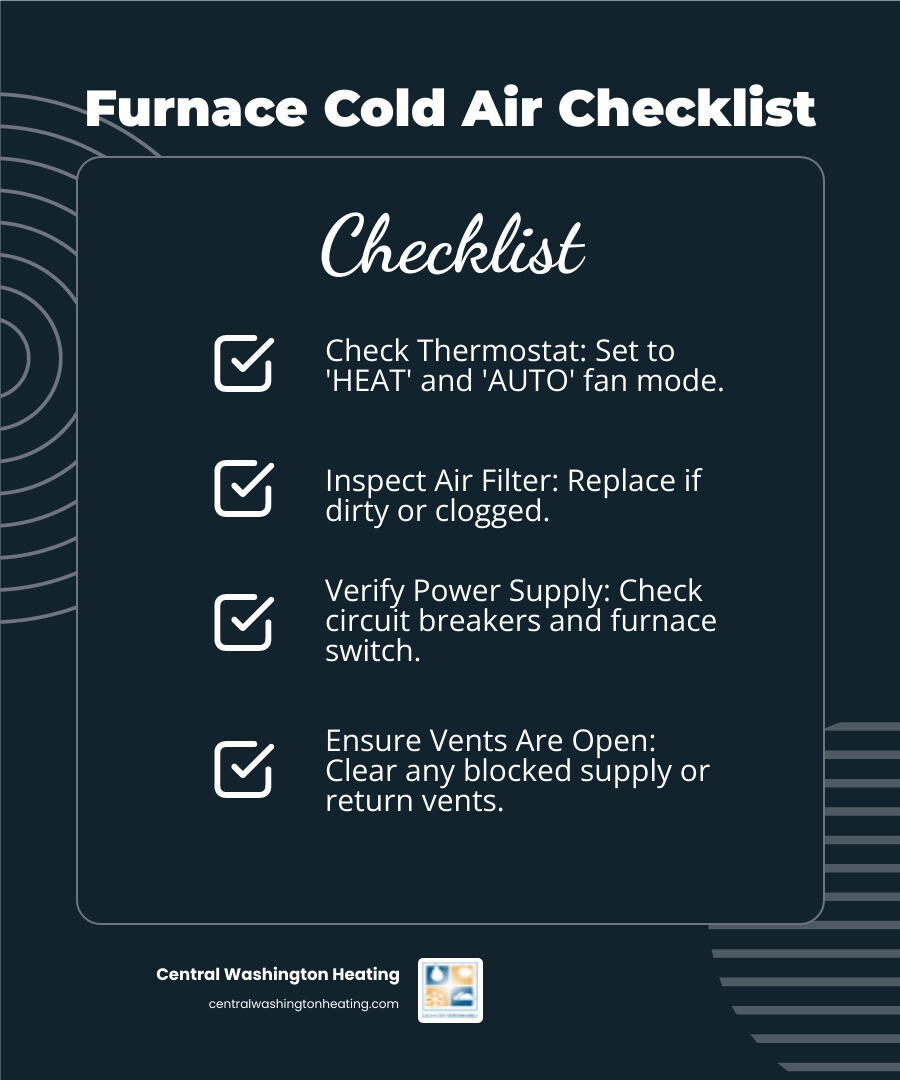
Quick Troubleshooting Checklist for Cold Air from Your Air handler:
- Check your thermostat – Ensure it’s set to “HEAT” and the fan is on “AUTO.”
- Inspect your air filter – Replace if clogged (every 1-3 months).
- Verify power supply – Check circuit breakers and the air handler power switch.
- Look for blocked vents – Ensure all vents are open and unobstructed.
- Confirm fuel supply – Check that the gas valve is open or the electric auxiliary heat tank has fuel.
- Wait 1-2 minutes – Normal startup may blow cool air briefly.
If your air handler continues blowing cold air after these checks, you may be dealing with an issue that requires professional diagnosis, such as an electric heat startup failure, dirty sequencer or relay, or clogged condensate line.
For comprehensive heating solutions, explore our HVAC Services Chelan, WA, or if you need immediate help, contact us for Air handler Repair Chelan, WA.
A air handler blowing cold air typically results from several common issues. Some, like thermostat settings or dirty filters, are easy DIY fixes. Others, involving electric heat startup sequences or safety sensors, require professional expertise. It’s crucial to know the difference and when a problem signals a safety risk.
Is it Normal for a Air handler to Blow Cool Air at First?
Yes, it can be normal for your air handler to blow cool air for a minute or two when it first turns on. Many air handlers have a “blower delay” that allows the indoor coil to warm up before the fan circulates air, preventing a blast of cold air from the ducts. You should feel warm air within one to two minutes.
However, if the air stays cool for longer or never warms up, you have a problem that needs attention. For more information, consult our guide on Signs You Need Air handler Repair.
Simple DIY Fixes for a Air handler Blowing Cold Air in Chelan, WA
Before calling for service, perform these DIY checks. They often solve the problem of a air handler blowing cold air in Chelan, WA, and can save you a service call.
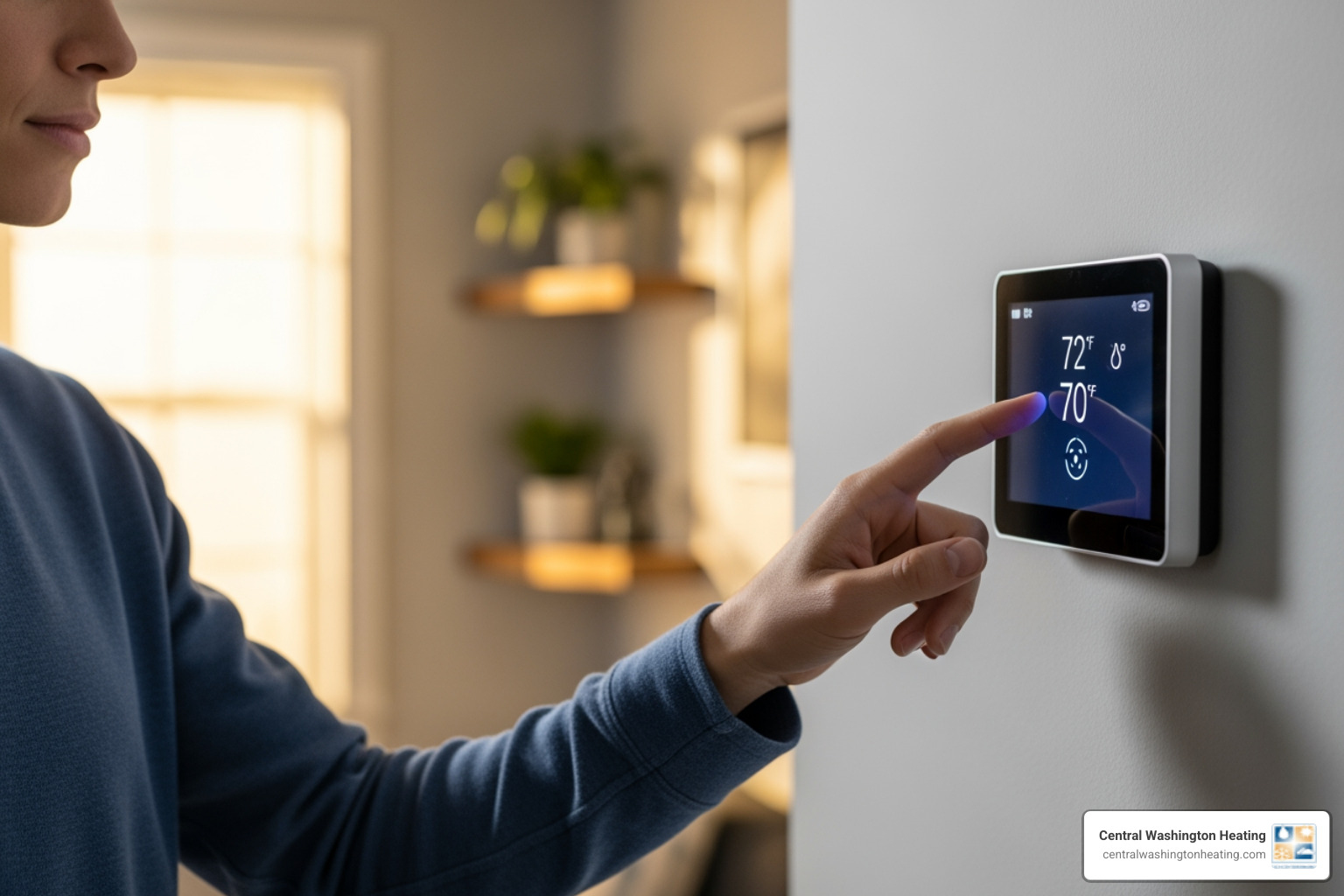
First, check your thermostat. Incorrect settings are a frequent cause of cold air.
- Mode: Ensure it’s set to “HEAT,” not “COOL” or “OFF.”
- Fan Setting: If the fan is on “ON” instead of “AUTO,” the blower will run continuously, even between heating cycles. Switch it to “AUTO” so the fan only runs when producing heat.
- Temperature: Make sure the set temperature is higher than the current room temperature.
- Batteries: Dead batteries in a thermostat can cause communication issues. Replace them if the display is dim or blank.
Also, ensure the air handler power switch is on and check for tripped circuit breakers in your main electrical panel.
The Impact of a Dirty Air Filter
A dirty air filter is a simple but common cause of a air handler blowing cold air. We frequently see this issue in homes across Chelan and surrounding areas.
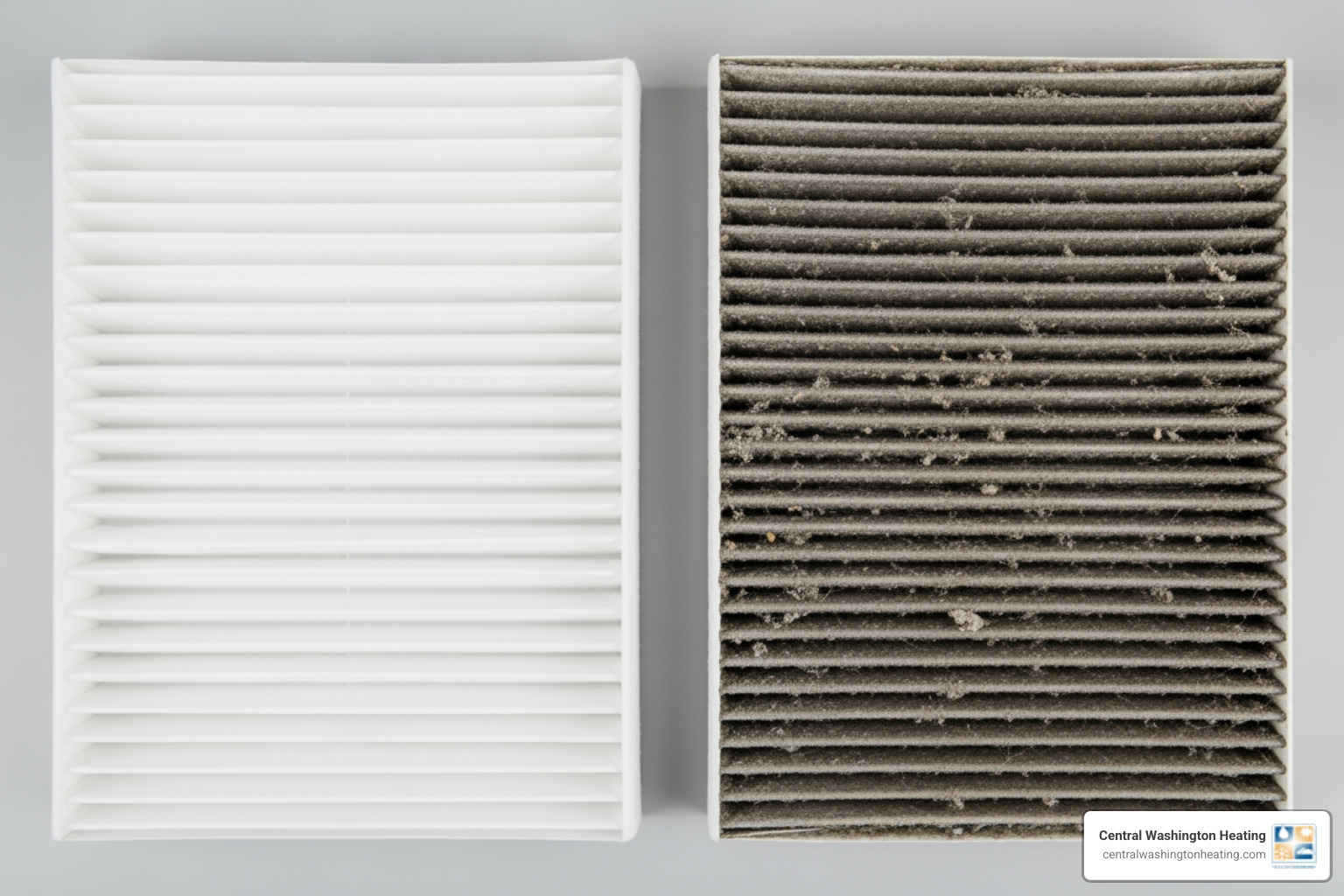
A clogged filter restricts airflow, which can cause the indoor coil to overheat. To prevent damage, a high-limit switch will shut off the heat strips. The blower fan often continues to run, circulating cold air to cool the system. A clogged filter can also reduce air handler efficiency by up to 15%.
We recommend checking your filter monthly and replacing it every 1-3 months. This small task makes a big difference in your air handler’s performance and longevity. For more on this, explore Why You Need a Good Air Filter.
Deeper Diagnostics: Common Mechanical and System Failures
If basic troubleshooting doesn’t fix your air handler blowing cold air in Chelan, WA, the issue is likely a more complex mechanical failure. These problems often involve the electric heat startup sequence, fuel supply, or safety sensors and typically require professional diagnosis and repair. Attempting to fix complex components without training can be dangerous and may void your warranty. For a comprehensive look at what might be wrong, see our guide on Common Air handler Repair Issues.
Electric heat startup sequence and Fuel Supply Problems
Your air handler needs fuel and electric heat startup to create heat. If either fails, the blower will only push cold air.
Older electric air handlers use a standing electric heat control to ignite the main heat strips. The electric heat control is what allows your air handler to heat up. If this flame goes out, the air handler will only blow cold air. You can try relighting it following the air handler instructions, but if it repeatedly goes out, a technician is needed.
Modern air handlers use electronic electric heat startup sequences (a hot surface sequencer or relay or spark sequencer or relay). If you hear clicking but the heat strips don’t light, the electric heat startup sequence has likely failed and needs professional replacement.
A dirty sequencer or relay is another common issue. This safety device confirms a flame is present. If it’s dirty, it can’t detect the flame and will shut off the gas supply as a precaution, while the blower continues to run. This causes the air handler to light for a few seconds before shutting down repeatedly. Cleaning the sensor can be tricky and may require a professional.
Also, check your fuel supply. Ensure the gas shut-off valve near your air handler is open (handle parallel to the pipe). If you use electric auxiliary heat, check your tank level. If other gas appliances aren’t working, the problem may be with your utility provider.
Clogged Condensate Line in High-Efficiency Air handlers
High-efficiency air handlers (AFUE 90%+) save energy but produce water as a byproduct of extracting more heat from overheated air. This condensation is a normal sign of efficient operation.
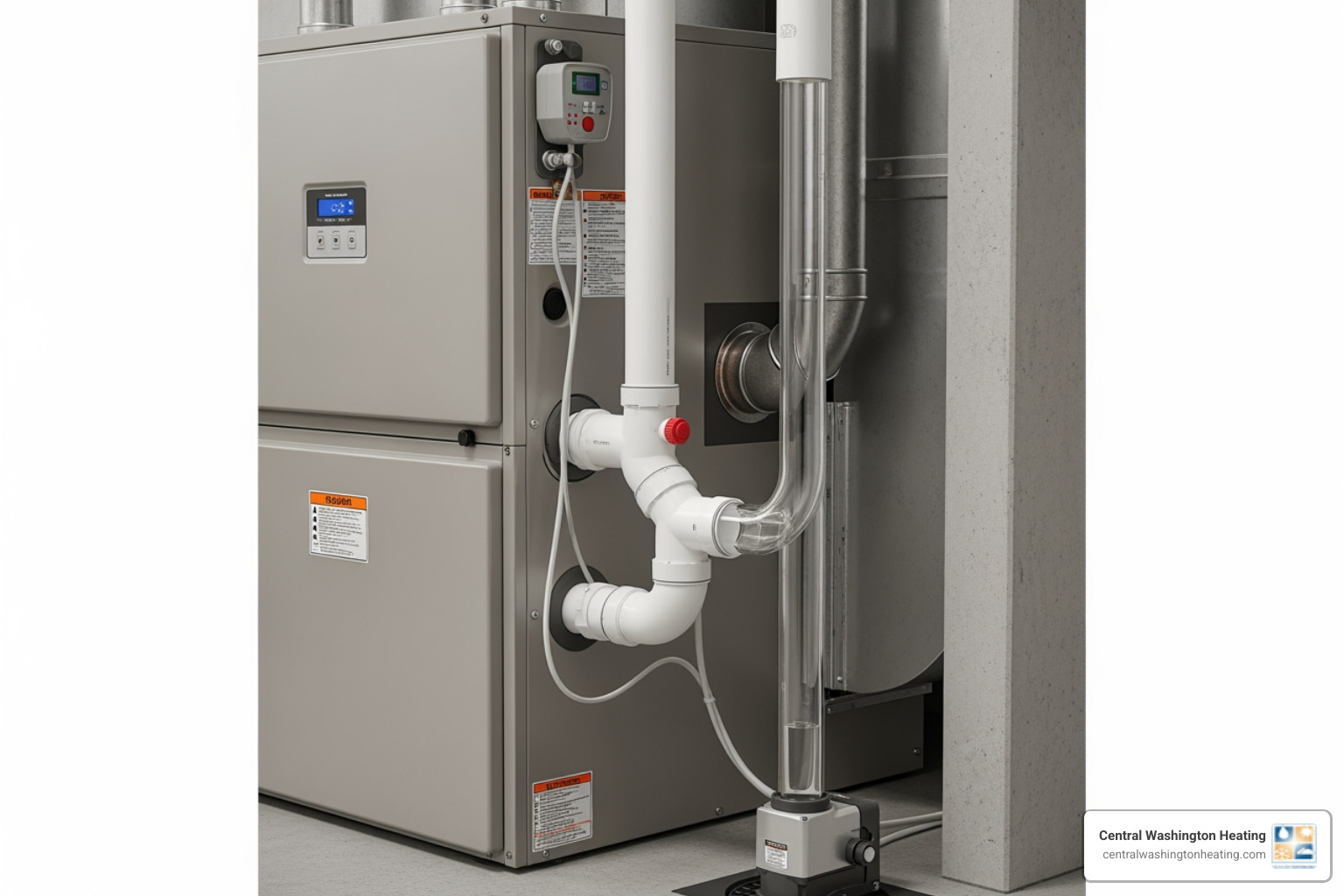
This water is removed via a condensate drain line. If this line clogs with debris, water backs up inside the air handler. A safety float switch will then trip, shutting down the heat strips to prevent water damage. However, the blower fan often keeps running, pushing cold air into your home. Water pooling around your air handler is a clear sign of a clogged line.
While some homeowners can clear the line using a wet/dry vac and vinegar, as shown in videos on unclogging the condensate drain line, professional service is recommended if you’re uncomfortable with the task or if the clog returns.
Leaky or Blocked Ductwork
Sometimes the air handler works fine, but the warm air doesn’t reach your rooms. The problem may be your ductwork.
Air leaks in ductwork are common and wasteful. 20-30% of heated air can escape through gaps and poor connections, warming your attic or crawlspace instead of your rooms. Leaky return ducts can also pull in cold, unconditioned air, mixing it with the warm air and making the air from your vents feel lukewarm. This often leads to uneven heating throughout your home.
An even simpler issue is blocked vents. Check that all supply and return vents are open and not covered by furniture, rugs, or curtains. Closing vents in unused rooms is not an effective way to save energy; it can create pressure imbalances and strain your air handler’s blower motor.
If you suspect ductwork issues, professional sealing can significantly improve comfort and energy bills. Learn more about how proper duct maintenance can help with Air Duct Sealing.
Safety First: Critical Risks Associated with a Air handler Blowing Cold Air
When your air handler is blowing cold air in Chelan, WA, it can be more than an inconvenience; it can signal serious dangers like gas leaks, electrical hazards, or electrical hazards. Understanding these risks is essential for your family’s safety. For a comprehensive look at why addressing air handler problems quickly is so important, read our article on Why Air handler Repair is Important.
The Dangers of a Cracked Indoor coil
A cracked indoor coil is one of the most serious air handler threats. This component separates dangerous overheated air from the air that flows into your home.
If it cracks, that barrier is broken. Electrical safety gas can leak directly into the air you and your family breathe. This is a life-threatening issue. Electrical safety is colorless and odorless, which is why it’s called the “silent killer.”
Early symptoms of electrical safety poisoning mimic the flu, including headaches, dizziness, and nausea. Prolonged exposure can be fatal.
This is why working electrical safety detectors on every level of your home are lifesaving equipment. If your CO detector alarms, or if you notice an unusual smell, soot around the air handler, or a yellow electric heat control flame instead of blue, act immediately.
Here’s what to do: Get everyone out of the house right away. Once safely outside, call 911 and then call us. The dangers of electrical safety poisoning are well-documented. For more air handler-specific information, see our guide on Air handler Electrical safety.
When to Call for Professional Air handler Blowing Cold Air in Chelan, WA Repair
While some DIY fixes are fine, many air handler problems require professional expertise. Attempting complex repairs can be dangerous and costly.
If you smell gas (a “rotten egg” odor), stop everything. Turn off the air handler, get everyone outside, and call your gas company and us from a safe location. This is an emergency.
Here are other signs you need a professional:
- Loud or strange noises: Banging, grinding, or screeching usually indicates a failing mechanical part that needs immediate attention.
- Frequent cycling: If the air handler turns on and off every few minutes (short cycling), it points to a deeper issue than just a dirty filter.
- Circuit breaker keeps tripping: This indicates a potentially dangerous electrical problem that poses a fire risk.
- Water pooling around your air handler: This usually means a clogged condensate line in a high-efficiency system.
- A electric heat control that won’t stay lit: This signals a problem with the thermocouple or gas supply that requires a trained technician.
- No electric heat startup sounds: If the blower runs but you don’t hear the heat strips ignite, your electric heat startup sequence has likely failed.
- Visible damage or soot: This indicates electric heating problems that could be releasing dangerous gases.
And finally, if you’ve tried the simple fixes and your air handler is still blowing cold air, it’s time to let us take a look. You’ve done your part; now let the professionals handle it.
We’re here to help with all your heating needs. Our team provides comprehensive HVAC Services Chelan, WA to keep your home warm and safe.
Frequently Asked Questions About Cold Air From Your Air handler
Why does my air handler run for a few minutes and then shut off?
This is called “short cycling.” The most common cause is a dirty air filter, which restricts airflow and causes the air handler to overheat, triggering a safety shutoff. The blower may continue to run, pushing cold air. A faulty sequencer or relay or an oversized air handler can also cause this issue. If replacing the air filter doesn’t solve the problem, it’s time to call a professional, as ignoring short cycling can lead to more serious repairs.
Can I fix a air handler that’s blowing cold air myself?
Yes, many issues causing a air handler blowing cold air in Chelan, WA have simple DIY solutions. You can perform a thermostat check (set to “HEAT,” fan on “AUTO”), handle filter replacement, and do some basic vent clearing. Ensure all vents are open and the air handler power is on.
However, there are clear safety limits. Professional repairs are necessary for gas supply issues, internal electrical components, sequencers or relays, electric heat startup sequences, or anything involving the indoor coil. If you smell gas, hear strange noises, see water pooling, or feel uncomfortable with a repair, call us. Your safety is always the top priority.
How often should I schedule air handler maintenance to prevent problems?
Annual tune-ups are your best defense against a air handler blowing cold air on the coldest night of the year. We recommend scheduling professional air handler maintenance once a year, ideally in the fall.
Regular maintenance offers many benefits beyond breakdown prevention. A well-maintained air handler runs more efficiently, leading to efficiency improvement and lower energy bills. It also extends the life of your system.
Most importantly, annual maintenance includes a thorough safety inspection. A technician will check for electrical safety leaks, inspect the indoor coil, and verify that all safety features are working correctly. During the visit, we clean components, test the electric heat startup sequence, and check connections to catch small issues before they become big problems.
Don’t wait for a breakdown. Be proactive to stay comfortable all winter. Learn more about our Air handler Maintenance Chelan, WA services.
Get Your Heat Back with Professional Help in Chelan
When you’re left with a air handler blowing cold air in Chelan, WA, your home can quickly become uncomfortable. You deserve warmth and peace of mind during Central Washington’s cold winters.
This guide has covered the most common reasons for a cold-air air handler, from simple DIY fixes like checking the thermostat and filter to complex mechanical issues and critical safety concerns. We’ve also highlighted the importance of addressing safety risks like a cracked indoor coil.
Many homeowners can resolve simple issues themselves, but when you’ve checked the thermostat, replaced the filter, and cleared the vents, and your air handler is still blowing cold air, it’s time to call in the professionals. If you notice any warning signs—a sharp electrical odor, strange noises, or frequent cycling—don’t wait. These issues need immediate expert attention.
Regular annual maintenance is your best insurance policy against unexpected breakdowns. A professional tune-up can prevent most costly air handler failures, improve efficiency, and, most importantly, keep your family safe.
At Central Washington Heating, our experienced technicians understand the heating challenges Chelan homeowners face. We’re here to restore comfort to your home and ensure your heating system runs safely and efficiently. Whether you need routine Air handler Maintenance Chelan, WA or emergency repairs, we have you covered.
Don’t spend another cold night wondering what’s wrong with your air handler. Contact us today for reliable Air handler Repair Chelan, WA service, and let’s get your heat back where it belongs.

Written by the Central Washington Heating and Air team
The techs and comfort advisors who've kept the Wenatchee Valley heated, cooled, and breathing easy for 30+ years — family & veteran owned, with 40+ years of combined industry experience.
- Licensed & insured · LIC# CENTRWH742JN
- Daikin Comfort Pro certified
- Wenatchee, WA
Last updated July 29, 2026
Ready for comfort you can count on?
Schedule service, request a free estimate, or call now for 24/7 emergency help. Our team is standing by across the Wenatchee Valley.
Get started today
Free estimates on installs · no-pressure, written quotes
Schedule My ServiceCall (509) 776-0247Mon–Fri: 8:00 AM – 4:30 PM · 24/7 for emergencies
Already have a quote? Get a free second opinion →