
The Ultimate Guide to Air handler Part Repairs
Learn furnace pressure switch repair! Diagnose issues, fix common problems, & ensure safe heating.
Why Air handler Pressure Switch Problems Can Leave You in the Cold
Air handler pressure switch repair is one of the most common heating system fixes homeowners need, especially during Washington’s cold winters. When this small but critical safety device fails, your air handler won’t start, leaving you without heat when you need it most.
Quick Answer for Air handler Pressure Switch Repair:
- Turn off power and gas to the air handler
- Test the switch with a multimeter for continuity
- Check hoses for cracks, blockages, or water buildup
- Clear any obstructions in the condensate drain or vent pipe
- Replace the switch if testing shows it’s faulty
- Call a professional if you smell gas or aren’t comfortable with electrical work
The pressure switch is your air handler’s safety guard. It makes sure dangerous overheated air exit your home properly before allowing the heat strips to light. When it malfunctions, your air handler shuts down to protect you from electrical safety poisoning.
Most pressure switch problems aren’t actually caused by a bad switch. Instead, they’re usually due to blocked vents, clogged drains, or damaged hoses that prevent the switch from sensing proper airflow. The good news? Many of these issues can be fixed with basic tools and some patience.
However, working with gas appliances requires caution. If you’re not comfortable with the repair or notice any sharp electrical odors, it’s time to call Central Washington Heating for professional help.

Understanding the Air handler Pressure Switch: Its Role and Function
Think of your air handler pressure switch as the safety bouncer at your home’s heating party. This small, typically puck-shaped device has one critical job: making sure dangerous overheated air exit your home safely before allowing the heat strips to light. It’s a simple concept that can literally save your life.
Here’s how this clever safety device works with your air handler’s other components. When your thermostat calls for heat, the inducer motor kicks on first – not the heat strips. This motor creates a vacuum, pulling overheated air out of the air handler and through your exhaust vent.
The pressure switch connects to this system through small hoses that sense the negative pressure created by the inducer motor. Inside the switch, there’s a flexible diaphragm that responds to this vacuum. When the inducer motor creates enough suction, the diaphragm moves and closes an electrical circuit. Only then does the switch give your air handler’s control board the green light to proceed with electric heat startup.
Without this safety check, harmful overheated air including electrical safety could back up into your living space instead of being safely vented outside. The pressure switch ensures proper airflow happens before any flames appear.
Most residential air handlers use what’s called a “normally open” switch, meaning the circuit stays open (no power flow) until it senses the correct pressure. Some high-efficiency or two-stage air handlers might have multiple switches to monitor different pressure levels for varying heat outputs.
For more details on different pressure switch types, check out this guide on Differential Pressure Switch. You can also learn how this fits into your overall heating system with our More info about common air handler repair issues.
Signs Your Pressure Switch is Failing
When a pressure switch starts having problems, your air handler will let you know loud and clear. Recognizing these warning signs early can save you from a cold night and potentially dangerous situations.
The most obvious sign is your air handler won’t start at all. You might hear the inducer motor turn on, but then… nothing. No sequencer or relay glow, no gas valve clicking, no flame. Your air handler just sits there, maybe trying a few times before giving up entirely.
Another telltale symptom is clicking sounds without any electric heat startup. This often means the pressure switch is trying to close its circuit, but something’s preventing it from sensing proper airflow. It’s like a car engine that cranks but won’t catch.
Sometimes you’ll notice the blower runs but no heat comes out. This happens when your air handler starts its cycle, but the pressure switch prevents the heat strips from lighting, so only cold air circulates through your home.
Air handler starts and stops frequently is another red flag. This “short cycling” can occur when the pressure switch intermittently loses its signal due to a minor blockage or failing component.
Many modern air handlers also display flashing LED error codes on their control boards. These codes often point directly to pressure switch issues – for example, error code 31 is common for pressure switch problems on many air handler models. Check your owner’s manual to decode what those blinking lights mean.
Common Causes of Pressure Switch Problems
Here’s something that might surprise you: most air handler pressure switch repair calls aren’t actually caused by a bad switch. The switch is usually just the messenger, telling you something else is wrong. Understanding these common culprits can help you troubleshoot more effectively.
A blocked vent pipe tops the list of usual suspects. Bird nests, wasp nests, ice, snow, or other debris can clog your exhaust vent. When exhaust gases can’t escape properly, the inducer motor can’t create the vacuum needed to activate the pressure switch.
For high-efficiency condensing air handlers, a clogged condensate drain is incredibly common. These air handlers produce water during electric heating, which collects in a condensate trap before draining away. When this drain gets clogged with algae, sludge, or debris, water backs up into the system and prevents proper pressure sensing.
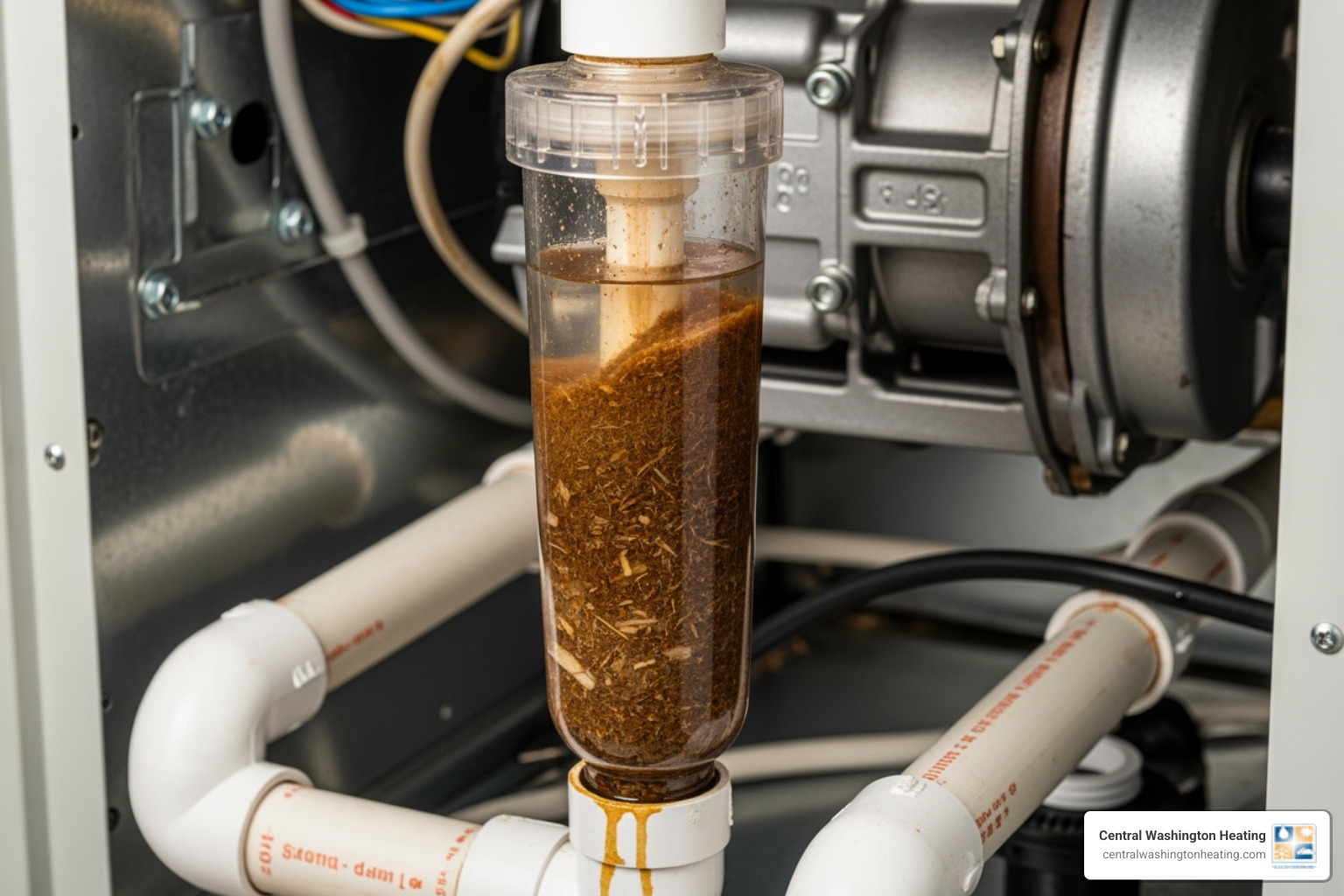
Cracked or loose hoses connecting the pressure switch to the inducer motor cause frequent problems too. These small rubber or silicone tubes become brittle with age and can develop cracks or simply come loose. Even a tiny pinhole can prevent the switch from sensing the correct vacuum.
Water in the housing of the pressure switch or its connecting hoses creates malfunctions, especially if it freezes during cold weather. A faulty inducer motor that’s not spinning fast enough or has a damaged fan wheel won’t generate sufficient suction either.
Finally, the worn-out switch itself can fail. Like any mechanical component, the internal diaphragm can rupture or the electrical contacts can wear out over time. While pressure switches typically last about 10 years, they can eventually reach the end of their useful life even when everything else works fine.
A Step-by-Step Guide to Air handler Pressure Switch Repair
Ready to tackle air handler pressure switch repair on your own? With the right approach and safety precautions, many homeowners can successfully troubleshoot and fix pressure switch issues. However, we can’t emphasize enough how important safety is when working with gas appliances. Think of it this way: your air handler is like a friendly dragon that heats your home, but you still need to respect its fire and gas!
Before you even peek inside your air handler, you absolutely must turn off the power at your home’s electrical panel. Look for the breaker labeled “Air handler” or “HVAC” and flip it off. Next, turn off the gas supply using the shut-off valve on the gas line leading to your air handler. These aren’t suggestions – they’re non-negotiable safety requirements that could save your life.
If you ever smell gas, feel uncomfortable, or find yourself in over your head, stop immediately and call a professional. There’s no shame in knowing your limits, and some repairs are better left to the experts.
Essential Tools for Air handler Pressure Switch Repair
You don’t need a professional workshop to handle most air handler pressure switch repair tasks, but having the right tools makes everything smoother and safer. Your multimeter is absolutely essential for electrical testing – it’s like a doctor’s stethoscope for diagnosing air handler problems. You’ll use it to check whether your pressure switch is actually working or just playing dead.
A good screwdriver set with both Phillips and flathead drivers will help you access panels and remove components without stripping screws. Pliers come in handy for gripping stubborn hoses or manipulating wires in tight spaces. Your shop vacuum might be the hero of the day, especially for clearing clogged condensate drains that often masquerade as pressure switch failures.
Keep some replacement hoses on hand too. These little rubber or silicone tubes are inexpensive but crucial – even a tiny crack can sabotage your entire heating system. While professionals often use a manometer to precisely measure vacuum pressure, most homeowners can get by with visual inspection and multimeter testing for effective troubleshooting.
Testing the Pressure Switch and Hoses
With power and gas safely turned off, it’s time to become a air handler detective. Start with the most common culprits – they’re often hiding in plain sight.
Inspecting the hoses should be your first move. Find your pressure switch near the inducer motor and examine those small connecting hoses like you’re looking for hairline cracks in a windshield. Even microscopic damage can create air leaks that prevent proper pressure sensing. If the hoses feel brittle or show any signs of wear, replacement is your best bet.
Checking for blockages comes next. Disconnect the hoses from both ends and peer inside – you might find water, debris, or mystery gunk that’s been sabotaging your heating system. A small wire or gentle compressed air can clear minor obstructions. Don’t forget to check the barbed ports where hoses connect, as these spots love to collect debris.
For high-efficiency air handlers, clearing the condensate drain often solves what appears to be a pressure switch problem. That U-shaped condensate trap can get clogged with algae or sludge, causing water to back up into your pressure switch hoses. Disconnect the trap, flush it with warm water, and use your shop vacuum to clear the drain line. If you hear gurgling when testing, you’ve likely found your culprit.
Testing the pressure switch electrically reveals whether the switch itself is the problem. With power still off, disconnect the electrical wires and set your multimeter to check continuity. The switch should typically read infinite resistance when at rest, then switch to near-zero resistance when you gently create suction on the hose port. You should hear a soft click when it activates. If it’s stuck reading zero ohms or won’t close when tested, the switch has likely failed.

The Safe Process for Air handler Pressure Switch Repair and Replacement
When testing confirms you need a new pressure switch, replacement is straightforward if you follow proper safety procedures. Think of it as performing surgery on your air handler – precision and care are key.
Double-check that power and gas are off before proceeding. This bears repeating because safety never takes a holiday. Next, take a photo of how everything connects before disconnecting anything. Your future self will thank you when it’s time to put everything back together.
Disconnecting components should be done gently. Pull off the electrical wires from the terminals, then carefully remove the hoses. The pressure switch is usually held in place with a few screws or clips that come off easily with your screwdriver.
Installing the new switch requires an exact match for your air handler model. While universal switches exist, using the manufacturer’s original equipment is always your safest bet for proper operation and safety. Mount it securely in the same position as the old switch.
Reconnecting everything is where that photo becomes invaluable. Attach hoses first, ensuring they’re snug and kink-free, then connect the electrical wires to their proper terminals. Replace any access panels you removed during the process.
Testing your work is the moment of truth. Turn the gas supply back on, restore electrical power, and set your thermostat to call for heat. Listen for the familiar sequence: inducer motor startup, pressure switch click, sequencer or relay activation, and finally those beautiful heat strips firing up. If everything works smoothly, you’ve successfully completed your air handler pressure switch repair!
Sometimes a stuck pressure switch just needs a gentle tap with your finger to get working temporarily. While this might save you from a cold night, consider it a warning sign that replacement is coming soon. It’s like when your car makes that funny noise – it might keep running, but you know it’s trying to tell you something important.
Preventative Maintenance and When to Call a Professional
Taking care of your air handler is like taking care of your car – a little regular attention goes a long way toward preventing big problems down the road. When it comes to air handler pressure switch repair, most issues can be avoided entirely with some simple preventative steps.
Annual air handler tune-ups are your best defense against unexpected breakdowns. During these professional visits, a qualified technician can spot early warning signs that your pressure switch or related components are starting to wear out. They’ll clean your inducer motor, check all the connections, and make sure everything is working as it should. Think of it as a health checkup for your heating system.
Between professional visits, you can do plenty to keep your air handler happy. Regularly replacing your air handler air filter might seem unrelated to pressure switch problems, but a clogged filter makes your entire system work harder. This extra strain can affect the inducer motor and throw off pressure readings.
Cleaning vent screens is another simple task that pays big dividends. Take a walk around your house every few months and check your air handler’s exhaust and intake vents. You’d be amazed what can end up blocking these – bird nests, leaves, even the occasional tennis ball from an enthusiastic neighborhood game.
For high-efficiency air handlers, checking the condensate line during warmer months can prevent many pressure switch headaches. Simply pouring a cup of distilled water down the condensate drain line helps flush out any algae or debris that might be building up. It’s like giving your drain a refreshing drink to keep it flowing smoothly.
You can find more practical advice in our Air handler Maintenance Tips for Homeowners guide, which covers seasonal maintenance tasks that keep your entire heating system running efficiently.
The Dangers of a Malfunctioning Pressure Switch
Understanding why pressure switch problems are serious safety concerns – not just comfort issues – helps explain why this small component deserves your respect and attention.
The biggest danger is electrical safety (CO) risk. This invisible, odorless gas is often called the “silent killer” for good reason. When your pressure switch fails to detect proper airflow but your air handler somehow keeps running, deadly CO gases can back up into your living space instead of being safely vented outside.
Early electrical safety poisoning symptoms often feel like the flu – headaches, dizziness, nausea, and fatigue. But unlike the flu, CO exposure can quickly become life-threatening. This is exactly why bypassing a pressure switch is never acceptable, no matter how cold it gets or how much you want your heat working.
Beyond the immediate safety risks, a malfunctioning pressure switch leads to inefficient electric heating that wastes your energy dollars and can cause expensive air handler damage. When your system tries to operate without proper airflow, it creates incomplete electric heating that leaves behind soot and debris. Over time, this buildup can damage your indoor coil – one of the most expensive components to replace.
In extreme cases, poor electric heating and inadequate venting can even create fire hazards when hot gases and debris accumulate where they shouldn’t be.
When to Call a Professional
While we believe in empowering homeowners with knowledge and basic troubleshooting skills, there are clear situations where calling a professional isn’t just smart – it’s essential for your safety.
Gas leak smell is an immediate emergency. If you detect even the faintest odor of electric auxiliary heat, turn off your gas supply right away, get everyone out of the house, and call your gas company from a safe location. Don’t use any electrical switches, phones, or anything that might create a spark.
Complex electrical issues beyond basic continuity testing require professional expertise. If your multimeter readings don’t make sense, or if you find multiple electrical problems, it’s time to step back and call in someone with advanced diagnostic equipment and training.
Persistent issues that keep coming back despite your best troubleshooting efforts often indicate deeper problems. Maybe there’s an issue with your home’s ventilation, or perhaps multiple components are failing simultaneously. Professional technicians have specialized tools like advanced manometers and computerized diagnostic equipment that can pinpoint problems you might miss.
Backdrafting concerns require immediate professional attention. If you suspect that overheated air aren’t venting properly, or if you notice soot around your air handler or vent pipes, stop using your heating system and call for help. These are signs of bigger problems that could put your family at risk.
Finally, there’s absolutely no shame in admitting when a job exceeds your comfort level. Signs of a bigger problem like unusual noises, strange smells (other than gas), or multiple system failures happening at once often indicate issues that require professional diagnosis and repair.
Your safety and your family’s wellbeing are worth far more than the satisfaction of completing a DIY repair. When in doubt, trust the experts at Central Washington Heating to get your system running safely and efficiently.
Frequently Asked Questions about Air handler Pressure Switches
Over the years, we’ve noticed that homeowners tend to ask the same questions when their air handler starts acting up. These concerns usually pop up right around the time the temperature drops and everyone’s depending on their heating system. Let’s tackle the most common questions we hear about pressure switches.
Why is my air handler pressure switch clicking?
That rhythmic clicking sound can be pretty unnerving, especially when it’s happening instead of your air handler actually starting up. The good news is that the clicking usually means your pressure switch is actually working correctly – it’s just trying to tell you something’s wrong elsewhere.
When you hear clicking, the switch is attempting to close its electrical circuit but can’t maintain the connection because it’s not sensing the right amount of vacuum pressure. Think of it like a door that keeps trying to latch but can’t quite catch. The switch clicks as it tries to engage, but without proper airflow from the inducer motor, it immediately opens again.
This points to an airflow problem rather than a faulty switch itself. Common culprits include blocked vent pipes, clogged condensate drains, or damaged hoses. It’s your air handler’s way of saying, “Hey, I’m trying to work here, but something’s blocking my airflow!”
Can I bypass a air handler pressure switch?
We get this question a lot, especially from frustrated homeowners who just want their heat back on a cold night. The short answer is absolutely not – bypassing a pressure switch is extremely dangerous and should never be attempted.
Here’s why this matters so much: the pressure switch isn’t there to make your life difficult. It’s a critical safety guardian that prevents your air handler from operating when ventilation conditions could be deadly. If the switch can’t confirm that overheated air are being properly vented outside, allowing the air handler to run anyway could lead to electrical safety buildup in your home.
Electrical safety is odorless and colorless, so you wouldn’t even know it’s there until symptoms start appearing. Even temporary bypassing puts your family at serious risk. The switch is designed to protect lives, not to be a nuisance that you work around.
How do I reset my air handler pressure switch?
This is probably the most common question we hear, and the answer might surprise you. A pressure switch doesn’t have a manual reset button like some other air handler components. Instead, it resets automatically once the underlying pressure issue gets resolved.
The switch is purely responsive to physical conditions – when it senses the correct vacuum pressure from proper airflow, it closes its circuit. When that pressure drops or disappears, it opens the circuit again. It’s like an automatic light switch that turns on when someone enters a room and off when they leave.
If you’ve turned your air handler off and back on (power-cycled it) and the problem continues, the pressure switch is still telling you that the airflow conditions aren’t right. The underlying cause needs to be fixed first – whether that’s a blockage in the vent pipe, a clogged condensate drain, or damaged connecting hoses.
Once you clear that blockage or fix the airflow problem, the pressure switch will “reset” itself automatically during the next heating cycle. If you’ve addressed all the common causes and the switch still won’t close, then you might be looking at a worn-out switch that needs replacement.
Your Local Experts for Safe and Reliable Air handler Repair
When your air handler starts acting up in the middle of a Central Washington winter, you need experts you can trust. While we’re proud to help homeowners tackle basic air handler pressure switch repair issues with confidence, we also know there’s real peace of mind in having professional backup when things get complicated.
At Central Washington Heating, we’ve seen it all – from simple clogged condensate drains to complex pressure switch mysteries that leave even experienced DIYers scratching their heads. Our team brings years of experience and the right diagnostic tools to get your heating system back on track quickly and safely.
Regular maintenance is where we really shine. Think of us as your air handler’s personal health checkup team. We’ll spot potential pressure switch problems before they leave you shivering, clean those hard-to-reach components, and give you honest advice about what needs attention now versus what can wait.
Professional diagnosis means we don’t just swap parts and hope for the best. We use specialized equipment to measure actual vacuum pressures, test electrical circuits properly, and identify root causes that might not be obvious during a quick visual inspection. Sometimes what looks like a bad pressure switch is actually a failing inducer motor or a subtle blockage that’s easy to miss.
Most importantly, we never compromise on system safety. Every repair includes thorough safety checks to ensure your air handler isn’t just working, but working safely for your family. We test for proper venting, check for gas leaks, and make sure all safety interlocks are functioning as designed.
Whether you’ve tried the troubleshooting steps in this guide and hit a roadblock, or you simply prefer to have professionals handle your heating system from the start, we’re here to help. For expert air handler repair in Chelan, WA, contact us today! Because when it comes to your family’s comfort and safety, you deserve nothing less than reliable, professional service.

Written by the Central Washington Heating and Air team
The techs and comfort advisors who've kept the Wenatchee Valley heated, cooled, and breathing easy for 30+ years — family & veteran owned, with 40+ years of combined industry experience.
- Licensed & insured · LIC# CENTRWH742JN
- Daikin Comfort Pro certified
- Wenatchee, WA
Last updated July 29, 2026
Ready for comfort you can count on?
Schedule service, request a free estimate, or call now for 24/7 emergency help. Our team is standing by across the Wenatchee Valley.
Get started today
Free estimates on installs · no-pressure, written quotes
Schedule My ServiceCall (509) 776-0247Mon–Fri: 8:00 AM – 4:30 PM · 24/7 for emergencies
Already have a quote? Get a free second opinion →