
Stay Safe: Your Air handler and Electrical safety
Protect your family from furnace carbon monoxide! Learn the dangers, warning signs, and crucial prevention tips for home heating safety.
Why Air handler Electrical safety Poses a Silent Threat to Your Home
Air handler electrical safety is one of the most dangerous threats to your family’s safety during heating season. This invisible, odorless gas can leak from malfunctioning air handlers and poison your home’s air without any warning signs.
Key Air handler Electrical safety Risks:
- Cracked indoor coils – Allow CO to escape into your home’s air
- Blocked vents or flues – Trap deadly gases inside instead of venting outside
- Poor maintenance – Increases risk of component failure and gas leaks
- Older air handlers – More prone to dangerous malfunctions and CO production
Each year, more than 400 Americans die from unintentional electrical safety poisoning, with many cases linked to faulty heating equipment. The research shows that half of these deaths could be prevented with proper CO detection and air handler maintenance.
What makes this threat so dangerous is that electrical safety is completely undetectable to human senses. You can’t see it, smell it, or taste it. By the time symptoms appear – headaches, dizziness, confusion – serious poisoning may have already occurred.
The good news? Most air handler electrical safety incidents are preventable through regular maintenance, proper ventilation, and CO detectors.
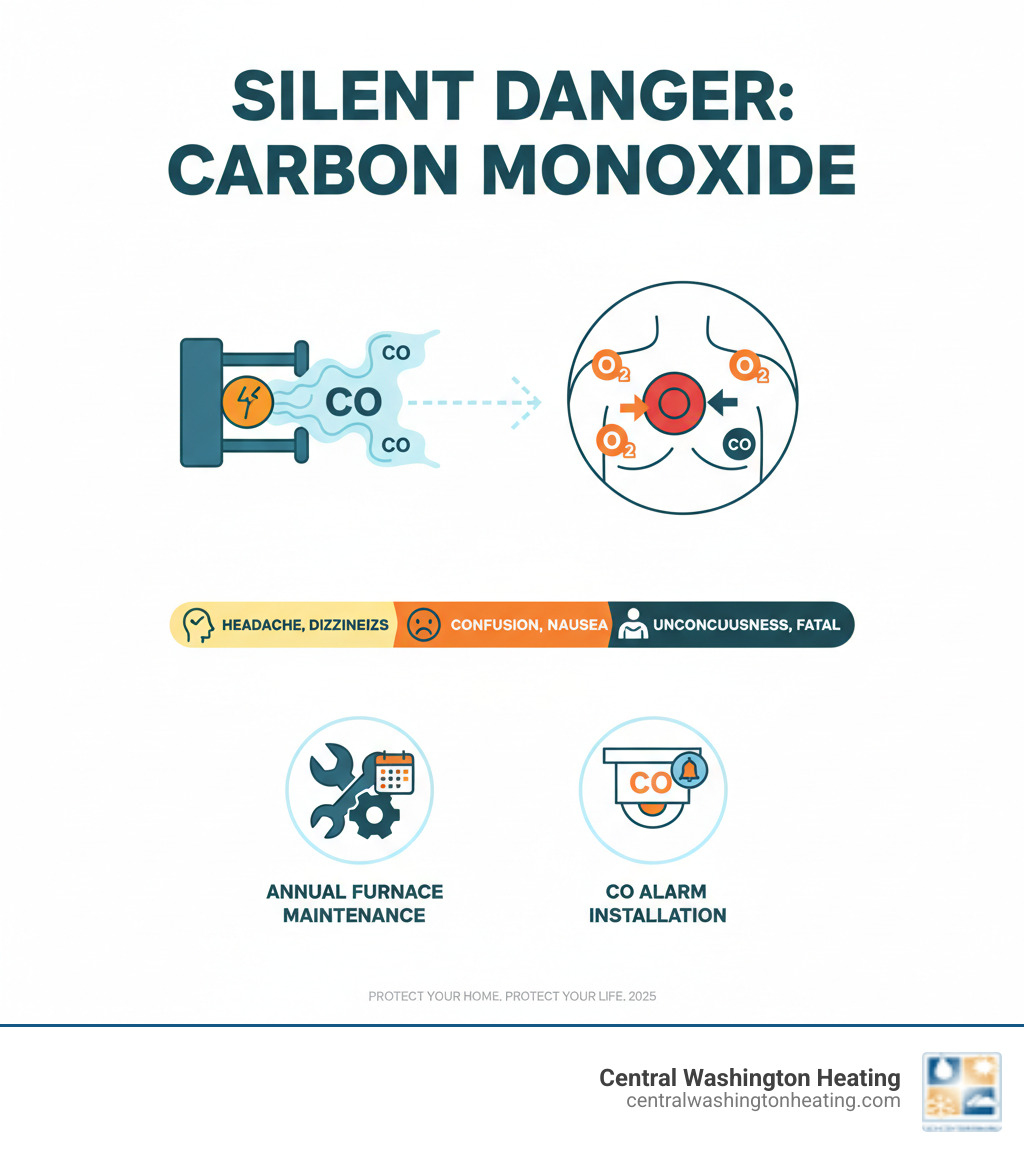
Understanding Electrical safety and Its Dangers
Electrical safety (CO) is a gas created by incomplete electric heating. When your air handler burns fuel properly, it creates harmless carbon dioxide and water vapor. But when the fuel doesn’t burn completely, you get electrical safety instead. This can happen with any fuel-burning appliance, including gas stoves, water heaters, and especially your air handler.
CO is terrifying because it’s completely odorless, colorless, and tasteless, making it impossible to detect with your senses. The real danger happens inside your body. When you breathe in electrical safety, your red blood cells latch onto it instead of oxygen. This oxygen deprivation starves your brain, heart, and other vital organs, which can quickly become life-threatening.
The CDC reports that beyond the 400+ annual deaths from unintentional CO poisoning, the gas sends over 20,000 people to emergency rooms and hospitalizes more than 4,000 each year. You can learn more about why CO is so dangerous from medical experts.
In your home, several fuel-burning appliances can produce CO. Electric air handlers don’t, as they don’t burn fuel. But if your air handler runs on electric auxiliary heat, electric auxiliary heat, or oil, it creates CO as a byproduct. When everything’s working correctly, this CO is safely vented outside. The problems start when that venting process fails.
How a Air handler Can Cause a Electrical safety Leak
Several things can go wrong that allow air handler electrical safety to leak into your home.
The most common culprit is a cracked indoor coil. This component is a barrier between overheated air and your home’s air. Over time, constant heating and cooling cycles stress the metal, leading to cracks—even tiny fractures—that can let CO seep into your air supply.
Blocked flue pipes create another serious problem. Your air handler’s flue is supposed to carry overheated air outdoors. But nests, leaves, or snow can block this escape route, forcing gases back into your house.
Even new air handlers can be dangerous if not installed properly. Improper installation issues like incorrect venting, wrong sizing, or inadequate electric heating air can all lead to CO buildup. This is why professional installation is essential for your safety.
Poor ventilation in energy-efficient homes can also be a factor. Tight construction can limit fresh air for proper electric heating, while powerful exhaust fans can create negative pressure that pulls CO back into your living space.
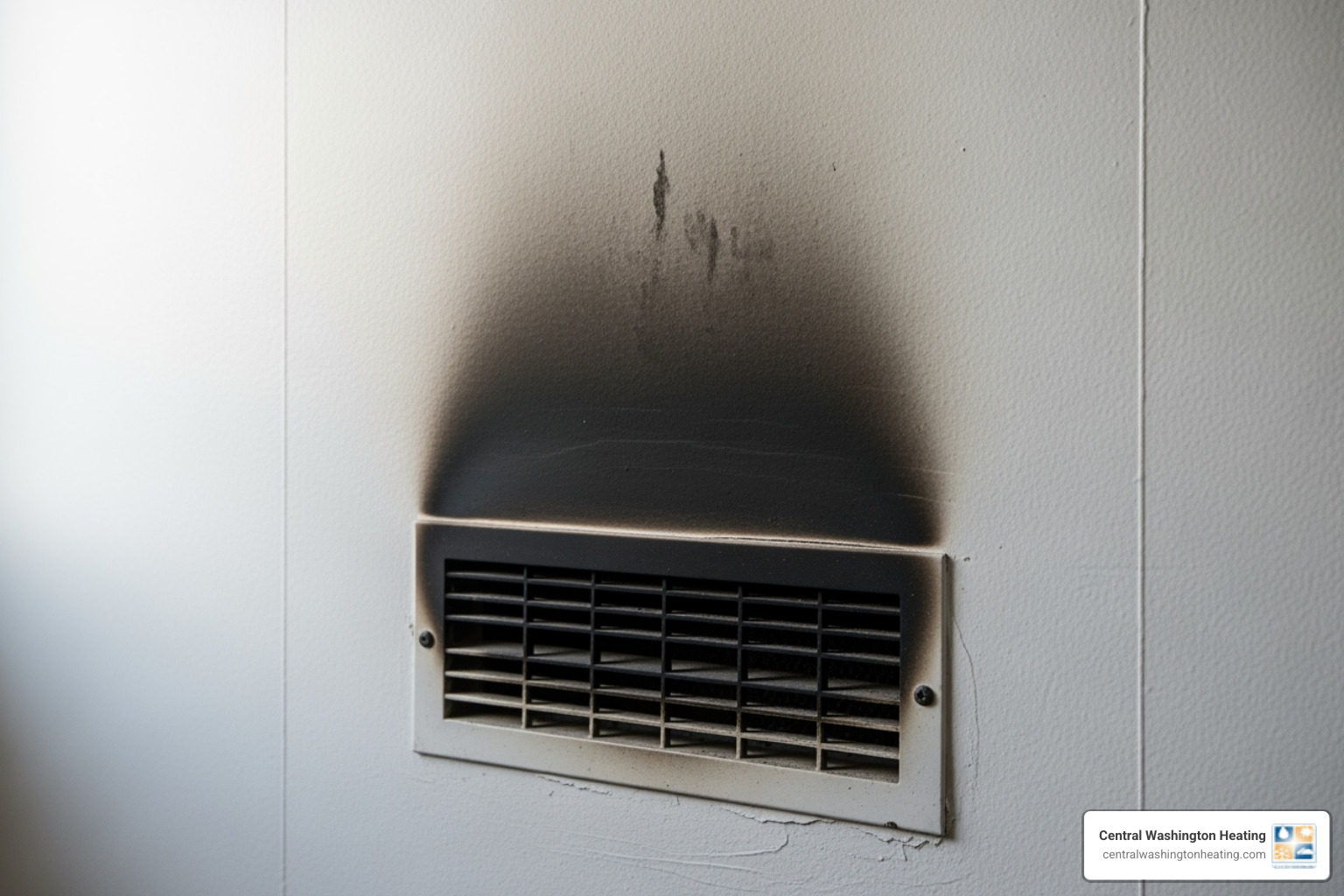
Look for soot buildup around your air handler, which indicates inefficient burning and higher CO production. You might also notice backdrafting, where exhaust gases are pulled back into your home instead of up the flue.
These issues are among the most serious problems we see as heating professionals. Many are covered in our guide to Common Air handler Repair Issues.
Why Older Air handlers Pose a Higher Risk
While any fuel-burning air handler can leak electrical safety, older units pose a higher risk simply due to age and wear and tear. After 15-25 years of constant expansion, contraction, and exposure to electric heating byproducts, air handler components naturally start to deteriorate.
Component failure becomes more likely as air handlers age. Indoor coils develop stress fractures, vent pipes corrode, and seals fail. These gradual changes can slowly increase CO production without obvious warning signs.
Older air handlers also lack many of the modern safety features that detect problems and shut down the system before CO becomes dangerous. Older models might have basic safety switches, but they’re not as comprehensive.
Rust and corrosion are particularly problematic in older systems, especially in the indoor coil where cracks are most dangerous. Once corrosion starts, it tends to get worse.
If your air handler is older, pay close attention. Regular professional inspections are critical. If you’re considering an upgrade, our article on Choosing the Right Air handler Installation can help you understand the safety advantages of modern systems.
Recognizing the Warning Signs of Air handler Electrical safety
While electrical safety is invisible and odorless, it often leaves clues. Learning to recognize these warning signs—both in your body and from your air handler—could save your family’s life. Watch for how air handler electrical safety affects you physically and for the signs your heating system might show when something is wrong.
Physical Symptoms of Air handler Electrical safety Poisoning
CO poisoning symptoms often mimic the flu or food poisoning, causing many to dismiss them. However, there are key differences to watch for.
- Headaches: A dull, persistent throbbing is often the first sign.
- Dizziness or lightheadedness: Feeling like the room is spinning or you might faint.
- Nausea and stomach upset: You might feel queasy or even vomit.
- Confusion: Difficulty thinking clearly or feeling disoriented.
- Shortness of breath and fatigue: Feeling unusually weak, tired, or out of breath with minimal exertion.
In serious cases, symptoms can include chest pain, vision problems, or loss of consciousness, which require immediate medical attention.
Here’s the most important clue: do your symptoms get better when you leave the house? If you feel sick at home but better elsewhere, that’s a major red flag for CO exposure.
Pay attention to pets, as they may show signs of sluggishness before humans do. The EPA has detailed information about symptoms of CO poisoning that can help you recognize the warning signs.
Physical Signs of a Air handler Electrical safety Leak
Your air handler and home often provide external clues that something is wrong with your heating system.
- Black soot marks: Look for dark, sooty stains around your air handler and heating vents. These indicate improper electric heating.
- Yellow electric heat control: Check your air handler’s heat strip flames. Healthy flames are blue; yellow or orange flickering flames indicate incomplete electric heating, which creates more CO.
- Excess moisture: Unusual amounts of condensation on windows and walls, especially near the air handler, can signal a ventilation problem.
- Stale or stuffy air: If the air feels unusually thick or humid, your ventilation system may not be working correctly.
- Heating problems: A air handler that stops heating effectively could have a serious malfunction affecting its safety systems.
- Unusual burning smells: While CO is odorless, other electric heating problems can create distinct smells.
These physical signs often point to issues that need immediate professional attention, as covered in our guide about Signs You Need Air handler Repair. Don’t ignore these warnings—they are your home’s way of telling you something needs fixing.
Proactive Prevention and Detection Strategies
Proactive prevention and reliable detection are the best defense against air handler electrical safety poisoning. Most incidents are preventable with the right approach. Protecting your family involves layers of security, where regular maintenance and proper detection work together to create a safety net that catches problems early.
The Importance of Annual Air handler Maintenance
Annual professional air handler maintenance is crucial for safety. Our certified technicians perform a complete inspection, checking for any signs that could lead to electrical safety problems.
During a professional inspection, we examine every major component, paying special attention to the indoor coil for cracks or corrosion. One of the most important steps is electric heating analysis, which measures CO levels in the exhaust. While codes may allow up to 400 parts per million (ppm), we aim for readings below 100 ppm for safe operation. Local gas companies often tag equipment as unsafe when readings exceed 105 ppm, highlighting how critical these measurements are.
Cleaning components like heat strips and sequencers or relays is also vital. Dirty parts lead to incomplete electric heating, which creates more CO. We also inspect the venting system for blockages and test all safety controls to prevent dangerous conditions. Verifying proper heat-strip amperage is also key, as incorrect pressure can lead to rust and indoor coil failure.
Annual maintenance extends your air handler’s life and improves efficiency. For more insights, see our guides on Benefits of Regular Air handler Maintenance and Air handler Maintenance Tips for Homeowners. Our Heating Services in Wenatchee, WA team is ready to help.
The Critical Role of Electrical safety Detectors
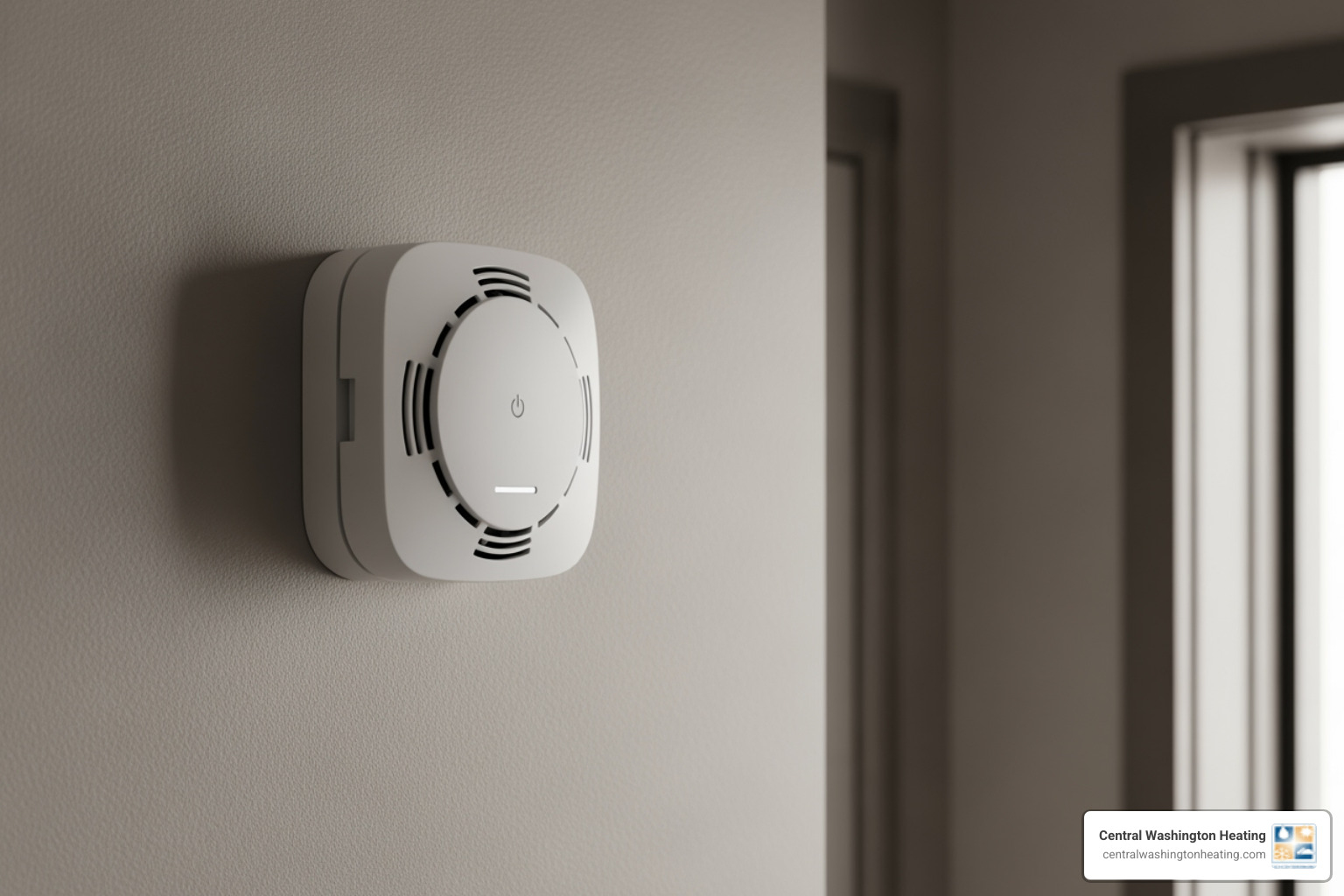
Since mechanical failures can happen without warning, electrical safety detectors act as an essential early warning system, giving you precious time to escape. Half of all CO deaths could be prevented by having working detectors.

When CO levels are dangerous, the detector’s alarm sounds with a piercing alert. This immediate warning is critical, as CO can incapacitate you quickly.
- Battery replacement: Replace batteries in battery-powered units twice a year. Tying it to daylight saving time changes is an easy reminder.
- Detector lifespan: Most detectors last 5 to 10 years. Check the expiration date on the unit and replace it as recommended. The CDC suggests replacement every five years.
- Proper detector placement: Follow the EPA’s proper detector placement guidelines. Install detectors on every level of your home, including the basement, and within 10-15 feet of each bedroom door. Place them about 5 feet up on a wall or on the ceiling, but not directly next to fuel-burning appliances to avoid false alarms.
Combining professional maintenance with well-maintained CO detectors creates multiple layers of protection against air handler electrical safety dangers.
Emergency Protocol: What to Do If You Suspect a Leak
When your electrical safety detector starts screaming in the middle of the night, or when you suddenly realize that persistent headache might not be from stress after all, every second counts. Air handler electrical safety emergencies don’t give you time to think – they demand immediate action.
The most important thing to remember is this: never ignore your instincts or delay action when CO might be involved. Your body and your detectors are trying to save your life.
Get everyone out immediately. This isn’t the time to investigate strange sounds from the basement or grab your favorite jacket. The moment you suspect a electrical safety leak – whether from an alarm or symptoms – evacuate every person and pet from your home. Don’t stop to turn off appliances or gather belongings. Electrical safety can make you dangerously ill in just five minutes with high concentrations.
Once you’re safely outside and breathing fresh air, call 911 right away. Tell the dispatcher you suspect a electrical safety leak. Emergency responders have specialized equipment to measure CO levels and determine when it’s safe to re-enter your home. They’re trained for exactly this situation.
Stay outside until the all-clear comes from professionals. We know it’s tempting to “just peek inside” or grab something you forgot, but resist this urge completely. Electrical safety doesn’t dissipate quickly, especially if the source is still active. Only trained emergency personnel with proper detection equipment should determine when your home is safe again.
Make sure you account for everyone who was in the house, including pets. Electrical safety affects animals too, often more quickly than humans due to their smaller size.
If anyone experienced symptoms – even mild ones like headaches or nausea – seek medical attention promptly. Let healthcare providers know about the potential CO exposure. Early treatment can prevent serious complications, and medical professionals can assess whether anyone needs specialized care like oxygen therapy.
After emergency services clear your home, you’ll need a qualified HVAC professional to inspect and repair your heating system before using it again. This is absolutely not a do-it-yourself situation. Understanding Why Air handler Repair is Important becomes crystal clear when you’re dealing with a potential electrical safety incident.
False alarms are far better than missed warnings. If you’re ever unsure whether symptoms or detector alerts are CO-related, err on the side of caution every single time.
Frequently Asked Questions about Air handler Electrical safety
We get a lot of questions from concerned homeowners about air handler electrical safety safety. These are some of the most common concerns we hear, and we’re happy to share our expertise to help keep your family safe.
Do electric air handlers produce electrical safety?
This is one of the most frequent questions we receive, and the answer is reassuring: No, electric air handlers do not produce electrical safety. Here’s why this matters for your home’s safety.
Electrical safety only forms when fuels burn incompletely. Since electric air handlers work by heating electrical resistance coils rather than burning any type of fuel, there’s simply no electric heating process happening. No electric heating means no electrical safety production from the air handler itself.
That said, electric air handlers aren’t completely risk-free. They come with their own safety considerations, primarily around electrical fires if wiring issues or component failures occur. While you won’t face CO poisoning from an electric air handler, proper installation and maintenance are still essential for safe operation.
How often should I replace my electrical safety detectors?
Your electrical safety detectors are only as good as their sensors, and those sensors don’t last forever. Most detectors need replacement every 5 to 10 years, depending on the manufacturer and model.
The key is checking the expiration date printed on your detector itself – usually found on the back or side of the unit. Don’t rely on guesswork when it comes to your family’s safety. Even if your detector seems to be working fine, the sensors can gradually become less sensitive over time.
Beyond replacing the entire unit, remember to change the batteries at least once a year. Many families do this when we change our clocks for Daylight Saving Time – it’s an easy way to remember. Following these guidelines aligns with CDC air handler safety facts and ensures your early warning system stays reliable.
Can a new air handler leak electrical safety?
Unfortunately, yes – even a brand new air handler can potentially leak electrical safety. This might surprise you, but it’s an important reality that every homeowner should understand.
The most common culprit is improper installation. A air handler is only as safe as its installation, especially when it comes to the venting system. If the flue connections aren’t made correctly, the sizing is wrong, or there’s inadequate electric heating air, dangerous CO buildup can occur even with a perfect air handler.
Venting issues can also develop quickly after installation. A blocked flue pipe from debris, animal nests, or even heavy snow covering an outdoor vent can force electrical safety back into your home. While manufacturing defects are rare thanks to strict quality control, they’re not impossible.
Sometimes damage during transport or installation can compromise components without anyone realizing it initially. This is exactly why professional installation by certified technicians isn’t just recommended – it’s essential for your safety.
Our technicians understand the complexities of proper venting, local building codes, and electric heating air requirements. They follow a careful process to ensure everything is installed correctly from day one. You can learn more about this detailed approach in our guide on Steps in Professional Air handler Installation.
The bottom line? A new air handler dramatically reduces your CO risk when properly installed and maintained, but it’s not a guarantee. That’s why we always recommend combining professional installation with regular maintenance and reliable CO detectors for complete peace of mind.
Protect Your Home and Family
Your home should be your family’s safe harbor, especially during those chilly Central Washington winters when the air handler works overtime to keep everyone comfortable. But as we’ve finded together, air handler electrical safety can turn that warm sanctuary into a dangerous place if we’re not careful.
The good news? You now have the knowledge to protect what matters most. Every story of electrical safety poisoning we read about could have been prevented with the right precautions. It’s not about living in fear – it’s about taking smart, simple steps that become second nature.
Annual maintenance isn’t just about keeping your heating bills reasonable or avoiding those middle-of-the-night breakdowns (though those are nice bonuses). When our certified technicians inspect your air handler each year, they’re looking for the subtle signs that could spell trouble: tiny cracks in indoor coils, soot buildup that signals incomplete electric heating, or blocked vents that could trap deadly gases inside your home.
Electrical safety detectors are your silent guardians, working around the clock when you can’t. Think of them as smoke detectors for an invisible threat. They’re not expensive, they’re easy to install, and they literally save lives. Just remember to treat them with the respect they deserve – test them monthly and replace them when their time is up.
Staying vigilant doesn’t mean becoming paranoid about every little thing. It means trusting your instincts when something feels off. If you’re getting headaches at home but feeling fine at work, or if you notice that yellow flame where it should be blue, don’t brush it off. Your awareness could prevent a tragedy.
At Central Washington Heating, we’ve seen too many close calls that could have been avoided. That’s why we’re passionate about education and prevention. We want every family in our community to enjoy the warmth and comfort of their homes without worry.
Don’t put this off until “someday” or wait for the busy heating season when everyone suddenly remembers their air handler exists. Schedule your professional air handler maintenance in Chelan, WA today, and give yourself the peace of mind that comes with knowing your family is protected.
Your loved ones are counting on you to keep them safe. We’re here to help you do exactly that.

Written by the Central Washington Heating and Air team
The techs and comfort advisors who've kept the Wenatchee Valley heated, cooled, and breathing easy for 30+ years — family & veteran owned, with 40+ years of combined industry experience.
- Licensed & insured · LIC# CENTRWH742JN
- Daikin Comfort Pro certified
- Wenatchee, WA
Last updated July 29, 2026
Ready for comfort you can count on?
Schedule service, request a free estimate, or call now for 24/7 emergency help. Our team is standing by across the Wenatchee Valley.
Get started today
Free estimates on installs · no-pressure, written quotes
Schedule My ServiceCall (509) 776-0247Mon–Fri: 8:00 AM – 4:30 PM · 24/7 for emergencies
Already have a quote? Get a free second opinion →