
Don’t Be Left in the Cold: A Guide to Electric heat control Repair
Cold? Learn furnace pilot light repair safety, step-by-step. Fix it yourself or know when to call a pro. Stay warm!
Why Your Air handler Electric heat control Matters for Home Comfort
Air handler electric heat control repair is a common issue that can leave your home without heat during Central Washington’s cold winters. When your air handler stops working, the electric heat control is often the culprit – and the good news is that many electric heat control problems can be fixed with basic troubleshooting.
Quick Fix for Electric heat control Issues:
- Turn off gas and wait 5 minutes for safety
- Set gas knob to PILOT position
- Hold reset button and ignite with long-reach lighter
- Keep holding reset for 30-60 seconds to heat thermocouple
- Release slowly and turn knob to ON
- Call a professional if pilot won’t stay lit or you smell gas
Your electric heat control is a small flame that ignites your air handler’s main heat strips when heat is needed. While many newer air handlers use electronic electric heat startup sequences, older models still rely on standing electric heat controls that burn continuously.
According to industry data, only about 5% of air handlers still have standing electric heat controls, but if yours is one of them, knowing how to troubleshoot basic issues can save you from a cold night.
Safety comes first with any gas appliance repair. If you smell gas (a rotten egg odor), evacuate immediately and call your gas company. Never attempt repairs if you detect gas leaks or feel uncomfortable working with gas appliances.
Before You Start: Identifying Problems and Safety Precautions
Nothing ruins a cold winter day quite like finding your air handler isn’t working. Before we walk through how to get your electric heat control burning again, let’s take a moment to understand what might have caused the problem and – most importantly – how to stay safe while fixing it.
Safety always comes first when dealing with gas appliances. If you smell that distinctive rotten egg odor or hear any hissing sounds near your air handler, don’t try to fix anything yourself. This could signal a gas leak, which means it’s time to leave your home immediately and call 911 or your gas company from a safe location outside.
Assuming you don’t detect any gas smells, here’s how to set yourself up for safe air handler electric heat control repair: Turn off the power to your air handler at the circuit breaker first. This prevents your system from unexpectedly firing up while you’re working on it. Open a window or door near your air handler area for proper ventilation, and keep a fire extinguisher within reach – just in case.
Signs of a Electric heat control Problem
How do you know your electric heat control is the troublemaker behind your chilly home? The most obvious clue is when no heat comes from your vents at all. Your air handler might be running but only pushing cold air, or it might not be starting up in the first place. Both scenarios often point straight to a electric heat control that’s gone out.
You might also notice your air handler shutting off unexpectedly after running for just a short time, or hear sputtering noises coming from the unit. These are telltale signs that your electric heat control is struggling to do its job. For broader heating issues beyond electric heat controls, check out our guide on Signs You Need Air handler Repair.
When you do locate your electric heat control, knowing what a healthy flame looks like can save you time and worry. A good pilot flame burns steady blue with a strong, cone-shaped appearance and makes only a quiet hissing sound. A problematic flame shows yellow, orange, or red colors, appears weak or wavy, and might sputter, whistle, or make no sound at all.
| Characteristic | Healthy Pilot Flame | Problematic Pilot Flame |
|---|---|---|
| Color | Steady Blue | Yellow, Orange, or Red |
| Shape | Strong, Cone-shaped | Weak, Wavy, or Flickering |
| Sound | Quiet Hiss | Sputtering, Whistling, or No Sound |
If your Air handler Blowing Cold Air and you spot a yellow or orange flame, that’s more than just an efficiency problem – it’s a serious safety concern that needs immediate attention.
Critical Safety: The Risk of Electrical safety
Here’s something we can’t stress enough: a yellow or orange pilot flame isn’t just inefficient – it’s dangerous. When your electric heat control burns these colors, it signals incomplete electric heating, which can produce electrical safety. This colorless, odorless gas is extremely toxic and impossible to detect without proper equipment.
Electrical safety detectors are absolutely essential in any home with gas appliances. The CDC recommends using battery-powered electrical safety detectors placed near sleeping areas. We suggest checking those batteries twice a year – maybe when you change your clocks for daylight saving time.
If your electrical safety detector ever sounds its alarm, don’t hesitate. Leave your home immediately and call 911 from outside. It’s also worth knowing the symptoms of electrical safety poisoning – headaches, dizziness, nausea, and confusion are common early warning signs that something’s wrong.
Incomplete electric heating from a faulty electric heat control creates the perfect conditions for electrical safety production. This is why we always recommend having those detectors in place before attempting any air handler work yourself.
How to Relight Your Air handler Electric heat control: A Step-by-Step Guide
Now comes the moment you’ve been waiting for – actually getting that air handler electric heat control repair done! Don’t worry, this is something most homeowners can handle themselves with a little patience and the right approach. Think of it like lighting a candle, just with a few extra safety steps.
Before we begin, grab your supplies: a good flashlight (trust me, you’ll need it in there) and a long-reach lighter or long fireplace match. These keep your hands safely away from the gas while you work. Always check your air handler manufacturer’s instructions first, as some models have slightly different procedures.

Step 1: Locate the Pilot Assembly and Gas Knob
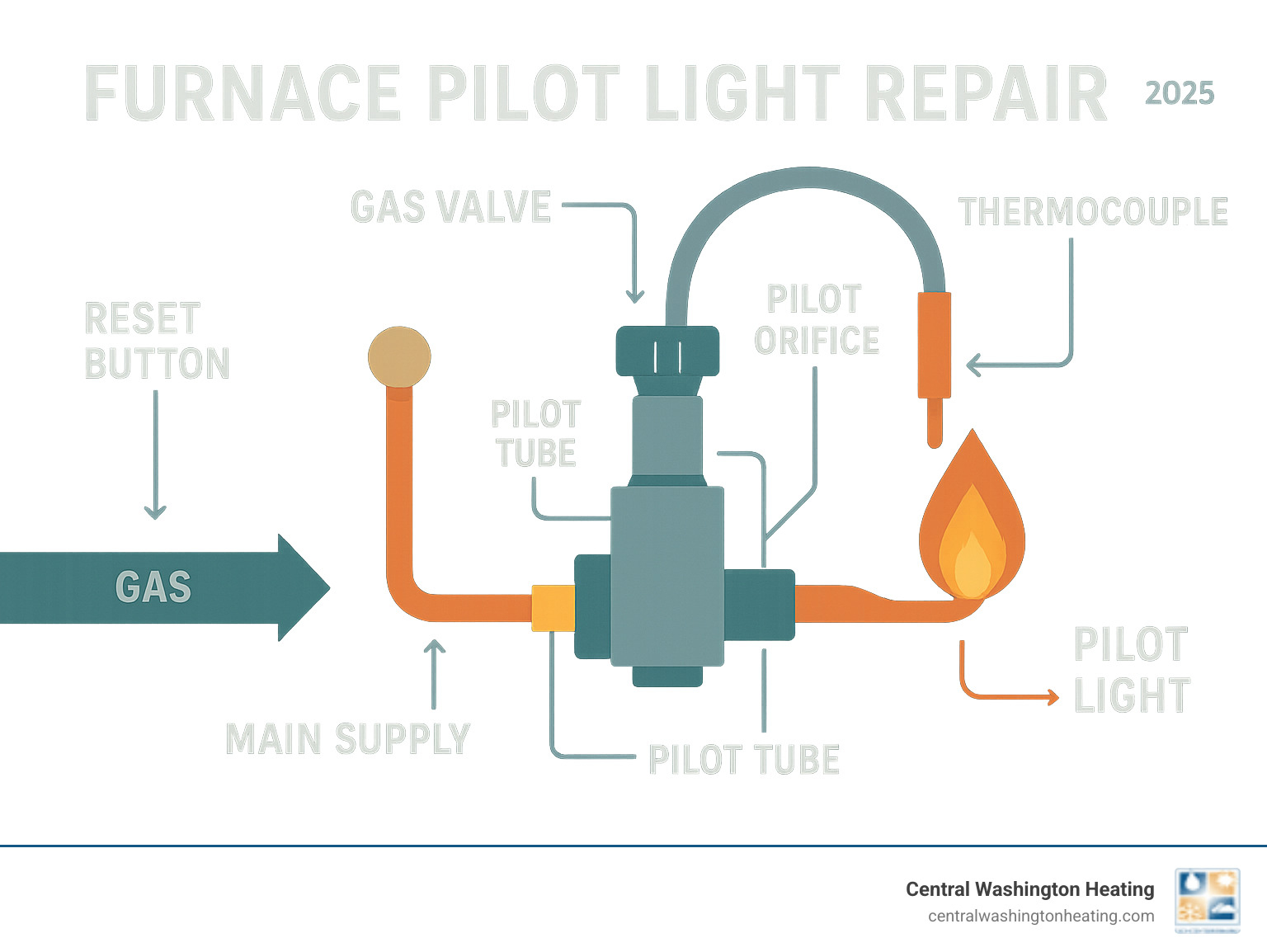
Time to play detective! Your electric heat control assembly lives near the bottom of your air handler, usually tucked behind an access panel. You’ll know you’ve found the right spot when you see a gas control knob with three positions: “ON,” “OFF,” and “PILOT.”
Use your flashlight to get a clear view of everything. Take a moment to familiarize yourself with the layout – you’ll see the small pilot orifice (where the flame comes out) and likely a reset button nearby.
Step 2: Turn the Gas Off and Wait
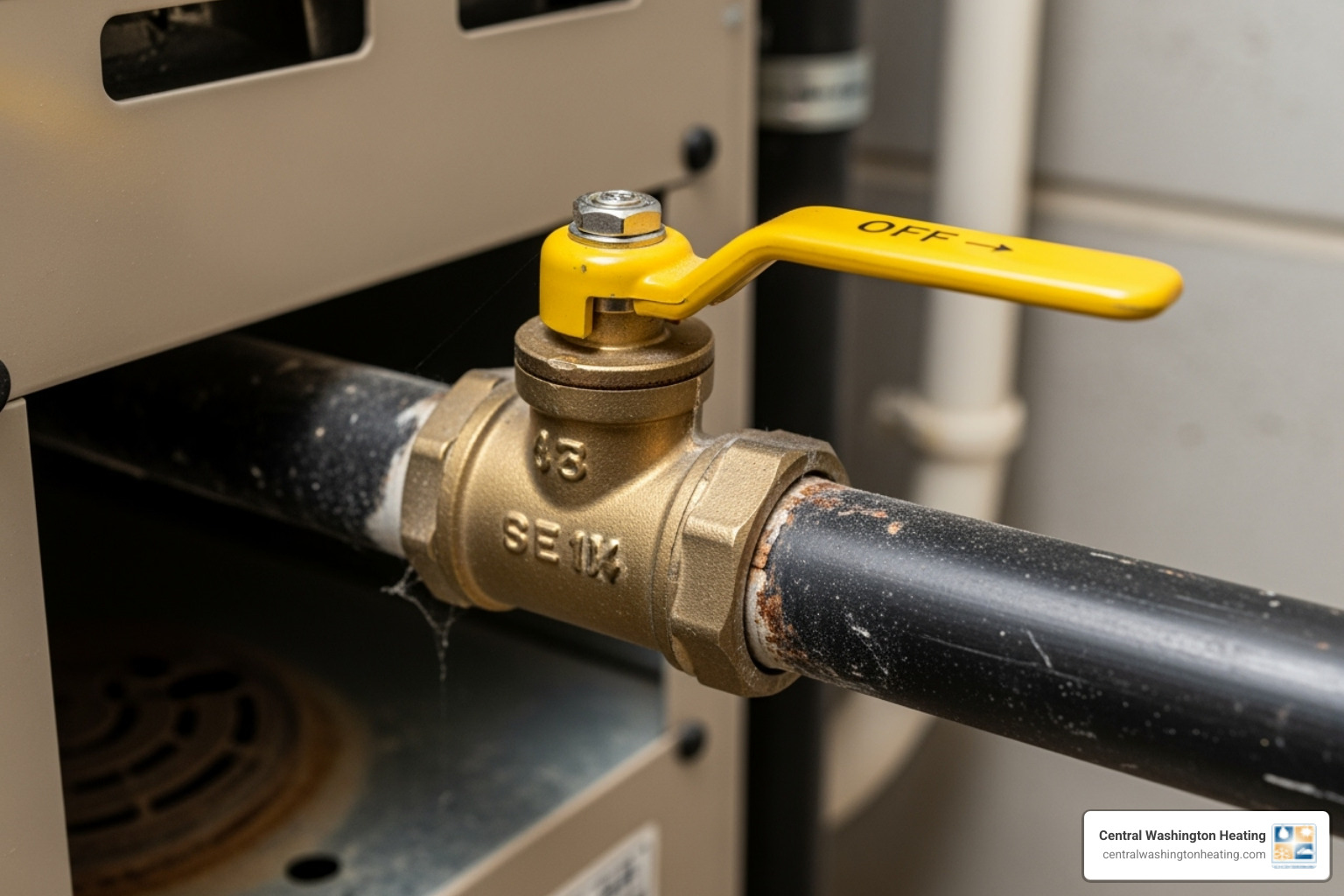
Here’s where patience becomes your best friend. Turn that gas knob firmly to the “OFF” position. This stops all gas flow to the electric heat control area.
Now comes the hardest part – waiting a full five minutes. I know it seems like forever when you’re cold, but this waiting period lets any lingering gas dissipate completely. Think of it as giving your air handler a chance to take a deep breath before you light it up again.
Step 3: Relight the Pilot Flame
After your five-minute coffee break, turn the gas knob to the “PILOT” position. Now you’ll need to press and hold the reset button – it might be labeled “PUSH” or “PILOT” depending on your model.
While keeping that button pressed down, carefully bring your long-reach lighter to the pilot orifice. You should see a small flame spring to life right away. If it doesn’t light immediately, don’t panic – sometimes it takes a moment for the gas to reach the orifice.
Step 4: Confirm the Flame and Turn the System On
Here’s the critical part that many people rush through: keep holding that reset button for 30 to 60 seconds after the flame lights. This isn’t just busy work – you’re giving the thermocouple time to heat up properly.
The thermocouple acts like a safety guard for your air handler. When it gets hot enough from the pilot flame, it creates a small electrical signal that tells the gas valve “everything’s okay, keep the gas flowing.” Without this heated signal, your pilot will go out the moment you let go of that button.
After you’ve held the button for the full time, slowly release it. Cross your fingers – the pilot should stay lit! If it goes out, don’t get discouraged. Just repeat the process from step 2.
Once your pilot flame is burning steady and blue, turn the gas knob from “PILOT” to the “ON” position. Replace your air handler access panel, flip the power back on at the circuit breaker, and set your thermostat to call for heat. You should hear your air handler fire up within a few minutes – and feel that wonderful warm air starting to flow again!
When DIY Air handler Electric heat control Repair Isn’t Enough
Picture this: you’ve followed our step-by-step guide perfectly, but your electric heat control still won’t cooperate. Maybe it lights up beautifully, then goes out the moment you release that reset button. Or perhaps you’re getting a weak, flickering flame that looks more yellow than blue. Don’t worry – you’re not doing anything wrong! Sometimes air handler electric heat control repair requires more than a simple relight.

When your electric heat control keeps going out after multiple attempts, it’s usually telling you that something deeper is going on. Think of it like a car that won’t start – sometimes it’s just a dead battery, but other times it’s the alternator, starter, or something more complex under the hood.
The most common culprits behind stubborn electric heat controls include drafts sneaking into your air handler area, a dirty or clogged pilot orifice, or a thermocouple that’s seen better days. Sometimes it’s even an issue with your home’s gas supply pressure. Our comprehensive guide on Common Air handler Repair Issues covers many of these sneaky problems that can leave you scratching your head.
Troubleshooting Common Air handler Electric heat control Repair Issues
Before you throw in the towel and call for help, let’s walk through a few troubleshooting steps that might solve your electric heat control puzzle.
The pilot goes out immediately is probably the most frustrating scenario. You light it, it looks great, you release the reset button, and… poof! It’s out again. Nine times out of ten, this points to a thermocouple problem. The thermocouple is that little sensor that needs to get hot enough to tell the gas valve it’s safe to keep the gas flowing.
Your thermocouple might just need a gentle cleaning with a soft brush or fine-grit sandpaper to remove built-up soot and debris. Also check if it’s positioned correctly – the tip should be sitting right in the pilot flame’s path. If cleaning and repositioning don’t do the trick, the thermocouple itself might be worn out and ready for retirement. While these parts aren’t expensive, getting the replacement positioned just right can be tricky.
A weak or yellow flame is your electric heat control’s way of crying for help. A healthy pilot flame should be strong, blue, and steady – not weak, flickering, or sporting those concerning yellow and orange colors we talked about earlier. This usually means dirt and debris have set up camp in your pilot orifice, blocking proper gas flow or oxygen supply.
You can try gently cleaning around the pilot assembly, but be extra careful not to damage any of those delicate components. If your flame stays weak or keeps showing those warning colors, it’s a sign that electric heating isn’t happening properly, and that’s when professional cleaning becomes important for your safety.
Gas is flowing but the pilot won’t ignite can be puzzling. If you’ve confirmed your gas supply is working (maybe by checking your stove or water heater), but the pilot just won’t catch, you might be looking at problems with the pilot control knob or gas valve itself. On the flip side, if other gas appliances in your home aren’t working either, it could be a main gas supply issue that requires immediate attention from your gas provider.
When to Call a Pro for Air handler Electric heat control Repair
There comes a moment in every DIY adventure when it’s time to wave the white flag and call in the cavalry. With air handler electric heat control repair, recognizing that moment can save you time, money, and most importantly, keep your family safe.
Persistent issues after troubleshooting are your cue to pick up the phone. If you’ve tried relighting multiple times, cleaned the thermocouple, checked for drafts, and your pilot still won’t cooperate, something more complex is happening behind the scenes. We’re talking about potential issues like a faulty gas valve, problems with internal components, or even a cracked indoor coil – which is a big deal that requires immediate professional attention.
Smelling gas after relighting is an absolute emergency, no questions asked. Turn off that gas supply, get everyone out of the house, and call 911 from a safe location. Never, ever attempt to relight a air handler when you smell gas – it’s just not worth the risk.
Visible damage to components around your pilot assembly or gas lines means it’s time to step back. Bent, corroded, or obviously damaged parts aren’t DIY territory. Gas line repairs and component replacements need the expertise and specialized tools that licensed HVAC technicians bring to the table.
The air handler still won’t produce heat even with a lit electric heat control tells you there’s another player in this game. Maybe it’s the main gas valve, the sequencer or relay, or the control board – all components that require professional diagnosis and repair.
And here’s something we always tell our customers: if you’re simply uncomfortable at any point in this process, that’s completely okay! Your peace of mind and your family’s safety are worth more than saving a few dollars on a service call. Trust your instincts.
Your air handler is a complex system with many moving parts working together. While a simple electric heat control relight can be a quick fix, persistent problems often point to underlying issues that need professional eyes and hands. For more insight into why professional air handler care matters, check out Why Air handler Repair is Important.
Preventing Future Electric heat control Problems
Nobody wants to wake up to a cold house in the middle of winter! The good news is that most electric heat control problems are completely preventable with some simple maintenance and care.
Regular maintenance is your best friend when it comes to avoiding air handler electric heat control repair headaches. We always tell our customers that an annual air handler tune-up is like getting a physical for your heating system. During these visits, technicians clean all the important components, check for wear and tear, and make sure everything is running like it should. This includes giving your pilot assembly a thorough inspection, cleaning out that tiny pilot orifice where debris loves to hide, and checking that your thermocouple is properly aligned and in good condition.
Keeping your air handler area tidy makes a huge difference too. Dust bunnies and debris are surprisingly sneaky – they can clog up your pilot orifice or mess with your thermocouple’s ability to sense the flame properly. We’ve seen electric heat controls go out simply because someone stored boxes too close to the air handler, creating drafts that blow out the flame.
Speaking of drafts, they’re one of the biggest culprits behind electric heat control problems. Even a small gust of wind from leaky ductwork or an open basement window can extinguish that little flame. Making sure your air handler area is properly sealed and ventilated helps keep your electric heat control burning steady.
Here’s something interesting that might surprise you: older air handlers with standing electric heat controls only operate at about 50-70% efficiency. That’s because the electric heat control burns gas 24/7, whether your home needs heat or not. In fact, that constantly burning flame can account for up to 50% of your air handler’s total gas consumption!
Modern air handlers are game-changers when it comes to efficiency and reliability. Today’s high-efficiency models use electronic electric heat startup sequences instead of electric heat controls, which means they only use energy when actually heating your home. These systems typically achieve 94-98.5% AFUE (Annual Fuel Utilization Efficiency), which translates to real savings on your utility bills and zero electric heat control worries.
If you’re tired of dealing with electric heat control issues, upgrading to a modern air handler with electronic electric heat startup eliminates the problem entirely. Plus, you’ll enjoy consistent heating and lower energy costs. For helpful guidance on selecting the right system for your home, check out our tips on Choosing the Right Air handler Installation.
For more ways to keep your current system running smoothly, our Air handler Maintenance Tips for Homeowners offers plenty of practical advice to help you avoid those middle-of-the-night heating emergencies.
Conclusion: Stay Warm and Safe with Expert Help
There’s nothing quite like the comfort of a warm home on a cold Central Washington evening, and when your air handler electric heat control goes out, that comfort can disappear in a hurry. The good news is that we’ve walked through everything you need to know about air handler electric heat control repair – from the essential safety steps to the detailed relighting process.
Your safety always comes first. Never attempt any repairs if you smell gas – that rotten egg odor means it’s time to evacuate immediately and call for help. Turn off the power at the circuit breaker before you start any work, and make sure you have proper ventilation and a fire extinguisher nearby.
The step-by-step process we covered – turning off the gas, waiting five minutes, setting the knob to pilot, holding the reset button while lighting, and keeping it held for 30-60 seconds to heat the thermocouple – will solve most electric heat control problems. But sometimes the issue runs deeper.
If your electric heat control keeps going out after multiple attempts, if you notice a yellow or orange flame instead of a steady blue one, or if you’re simply not comfortable working with gas appliances, it’s time to call in the professionals. These persistent problems often signal underlying issues like a faulty thermocouple, dirty pilot orifice, or even more serious concerns that require expert diagnosis.
Modern air handlers with electronic electric heat startup have largely eliminated these electric heat control headaches while offering much better efficiency. If you’re dealing with repeated electric heat control problems, it might be worth considering an upgrade that could save you both frustration and money on your energy bills.
For reliable and safe heating solutions in Central Washington, trust the experts at Central Washington Heating. Whether you need assistance with air handler electric heat control repair, routine maintenance to prevent future problems, or you’re ready to explore a new, more efficient heating system, our experienced team is here to help.
Don’t spend another cold night waiting for your air handler to cooperate. Request Service for your air handler repair in Chelan, WA today, and let us restore the warmth and peace of mind your home deserves.

Written by the Central Washington Heating and Air team
The techs and comfort advisors who've kept the Wenatchee Valley heated, cooled, and breathing easy for 30+ years — family & veteran owned, with 40+ years of combined industry experience.
- Licensed & insured · LIC# CENTRWH742JN
- Daikin Comfort Pro certified
- Wenatchee, WA
Last updated July 29, 2026
Ready for comfort you can count on?
Schedule service, request a free estimate, or call now for 24/7 emergency help. Our team is standing by across the Wenatchee Valley.
Get started today
Free estimates on installs · no-pressure, written quotes
Schedule My ServiceCall (509) 776-0247Mon–Fri: 8:00 AM – 4:30 PM · 24/7 for emergencies
Already have a quote? Get a free second opinion →