
Is Your Air handler a Danger? A Guide to Electrical safety and Gas Leaks
If your furnace smells like gas, act fast! Get immediate safety steps, understand odors, and protect your family from leaks & CO.
Air handler smells like gas is one of those phrases that should immediately grab your attention and trigger a swift, decisive response. When your heating system, the very appliance meant to keep your family comfortable and safe, starts emitting that distinctive rotten egg odor, it’s not something to investigate later or hope will go away on its own. It’s a critical alarm bell demanding immediate action.
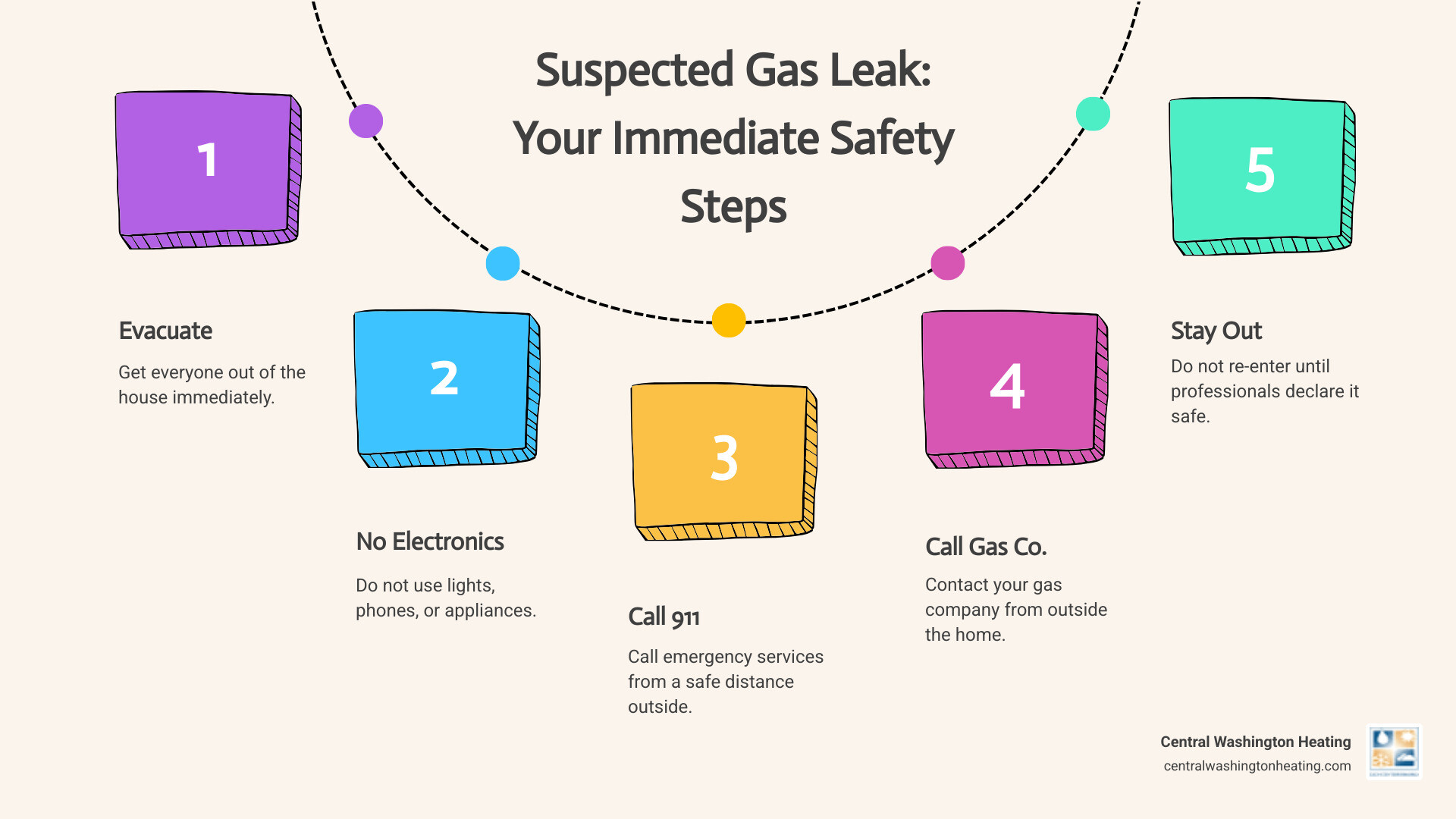
If you smell gas from your air handler, follow these steps without hesitation:
- Evacuate immediately – Get everyone, including pets, out of the house right away. Don’t waste time gathering belongings.
- Don’t use any electrical devices – Do not flip any light switches on or off. Don’t use your cell phone, landline, or any appliance. Even a tiny spark from a switch can ignite gas.
- Call 911 from outside – Once you are a safe distance from your home, use a cell phone or a neighbor’s phone to report a potential gas leak.
- Contact your gas company – They have 24/7 emergency lines and can dispatch a crew to shut off the gas supply at the source.
- Stay out until cleared – Do not re-enter your home for any reason until emergency responders or a utility technician has declared it safe.
Electric auxiliary heat in its pure state is actually odorless and invisible, which makes it impossible to detect. To counteract this danger, utility companies add a chemical called mercaptan. This substance has a strong, unmistakable sulfur or rotten egg smell. This safety feature exists for one reason: to provide a clear, life-saving warning of potentially deadly gas leaks.
While some faint odors when first starting your air handler for the season can be normal (usually dust burning off), a persistent or strong sharp electrical odor is never normal and requires an emergency response. The risks are simply too high to ignore.
According to safety data, approximately 400 Americans die annually from electrical safety poisoning, a tragic statistic often linked to faulty or improperly ventilated gas appliances. Beyond the silent threat of CO, gas leaks themselves pose catastrophic fire and explosion risks that can devastate homes and families in a matter of seconds.
The good news? Most air handler-related gas hazards are preventable with proper annual maintenance and a quick, correct response to warning signs like a sharp electrical odor. Understanding when to act fast and when a smell might be harmless could literally save your life.
When your air handler smells like gas, every second counts. This isn’t the time to search for the source, second-guess your senses, or wonder if you’re overreacting—it’s time to act fast and get everyone to safety. Your immediate actions can make the difference between a minor incident and a major catastrophe.
Electric auxiliary heat itself is actually odorless, but utility companies add a chemical called mercaptan to give it that unmistakable rotten egg smell. Think of it as your home’s built-in early warning system for gas leaks—and when it goes off, you need to listen and respond immediately.
Get everyone out immediately. Your first and most important priority is to evacuate every person and pet from the house. Don’t stop to grab your phone, your keys, or even a coat. The gas could be accumulating to dangerous levels, displacing oxygen and creating an explosive environment. Your focus should be on getting to fresh air as quickly as possible.
Here’s what’s absolutely critical: avoid anything that could create a spark. A spark is all it takes to ignite a pocket of electric auxiliary heat. This means no flipping light switches (either on or off), no unplugging appliances, no using cell phones or landlines inside the house, and definitely no lighting matches, lighters, or cigarettes. Even the static electricity from shuffling your feet on a carpet can be enough to trigger an explosion in a gas-filled room.
Once you’re safely outside and a considerable distance away from the house (across the street or further), call 911 from a safe distance. Inform the dispatcher that you have a suspected gas leak and provide your address. Emergency responders like the fire department are trained and equipped with specialized meters to handle these hazardous situations safely.
After calling 911, your gas company needs to know too. They have 24/7 emergency lines specifically for these situations. Their technicians have the expertise to locate and shut off your gas supply at the meter, which is a critical step in securing the scene. They work in tandem with emergency services to resolve the leak.
The hardest part might be waiting. Don’t go back inside for any reason until an emergency responder or a gas company technician has officially given you the all-clear. We know it’s your home and you’re anxious, but professionals must use calibrated equipment to test the air and ensure all gas has dissipated and the environment is completely safe before anyone can re-enter.
For more detailed safety information, the Electric auxiliary heat Safety resources provide excellent, in-depth guidance on handling these emergencies.
When your air handler smells like gas, it’s always better to overreact and be safe than to hesitate and put your family at risk. Gas leaks are serious business, but they are also completely manageable when you respond quickly, calmly, and correctly.
Decoding the Smell: Normal vs. Dangerous Air handler Odors
When your air handler smells like gas, it’s completely natural to feel a surge of alarm. However, not every gas-like odor signals a five-alarm emergency. Understanding the difference between normal, temporary smells and genuinely dangerous ones can save you from unnecessary panic while keeping you alert to real threats that require immediate action.
The key to recognizing a true gas leak lies in understanding mercaptan—that distinctive chemical additive. Since electric auxiliary heat is naturally odorless, colorless, and tasteless, mercaptan gives it that unmistakable rotten egg or sulfur smell that immediately grabs your attention. While mercaptan itself is harmless, its presence is a powerful warning of a potentially hazardous gas leak. One crucial fact to remember is the phenomenon of olfactory fatigue; if you’re exposed to the smell for a while, your nose can become desensitized to it, making you think the smell has gone away when the leak is still active. This is why you must act the moment you first smell it.
| Smell Description | Most Likely Cause | What You Should Do |
|---|---|---|
| Faint, temporary sharp electrical odor when starting air handler | Dust burning off heat strips mixed with trace mercaptan | Monitor – should disappear within minutes |
| Strong, persistent rotten egg odor | Potential gas leak from valve, line, or connection | Evacuate immediately and call 911 |
| Sweet, chemical smell with sharp electrical odor | Possible cracked indoor coil | Leave home and contact HVAC professional |
| Musty, burning smell (no gas) | Dust accumulation or dirty filter | Check and replace filter if needed |
| Hissing sound with sharp electrical odor | Active gas leak | Emergency evacuation required |
The most important distinction you can make is between a brief, faint odor and a strong, lingering smell. A slight gas scent that appears when you first fire up your air handler after months of sitting idle is often just dust that’s accumulated on the heat strips reacting with tiny amounts of mercaptan in the system. This typically fades within a few minutes as your system warms up.
Is a Faint Sharp electrical odor Normal When My Air handler Starts?
If you’re experiencing a light sharp electrical odor only during your air handler’s first use of the heating season, you’re likely witnessing a completely normal occurrence. During the warmer months, dust, pollen, and other microscopic particles settle on your air handler’s heat strips and internal components. When you turn on the heat for the first time, this layer of dust is incinerated by the flames, sometimes creating a reaction with trace amounts of mercaptan that naturally linger in gas appliances. This process can produce a faint burning or gas-like odor.
This first-use smell should be relatively faint and disappear entirely within 10-15 minutes of operation as the dust is consumed. It’s your air handler essentially “clearing its throat” after a long summer nap. However, if the smell persists beyond this initial period, seems unusually strong, or reappears during subsequent uses, it’s no longer normal and warrants a professional inspection.
Regular maintenance can minimize even these normal odors. A dirty air filter is a major contributor, as it restricts airflow. This can cause the air handler to work harder, run hotter, and lead to more dust buildup on internal parts. If you haven’t checked your filter recently, it’s a great time to learn about the signs your air handler air filter needs replacing.
What to Do When Your Air handler Smells Like Gas Persistently
A strong, persistent sharp electrical odor is an entirely different situation that demands immediate, emergency action. If the rotten egg odor doesn’t fade quickly, grows stronger over time, or is accompanied by unusual sounds like hissing or whistling near the air handler, you are likely dealing with a genuine gas leak or a serious system malfunction.
Pay close attention to additional warning signs that point to a dangerous problem. A healthy air handler should have a steady blue flame at the heat strips. If you see a yellow or orange, flickering flame, it’s a sign of incomplete electric heating. This means the gas isn’t burning efficiently, which can produce dangerous levels of electrical safety along with the raw sharp electrical odor. Other red flags include soot buildup around your air handler vents, unexplained headaches, nausea, or dizziness among family members, or condensation on windows near the air handler.
When a sharp electrical odor lingers or intensifies, do not attempt to diagnose or fix the source yourself. Actions like tightening fittings or trying to relight a electric heat control can create sparks that ignite accumulated gas. The only safe course of action is to follow the emergency evacuation steps outlined earlier. Once you are safe, contact professionals who have the proper gas detection equipment and training to safely diagnose and repair the issue, whether it’s a loose fitting, a faulty gas valve, or a more serious internal problem.
If you’re in the Central Washington area and dealing with persistent sharp electrical odors, don’t hesitate to reach out for air handler repair in Wenatchee, WA. Professional technicians can quickly and safely determine whether you’re dealing with a minor adjustment or a serious safety concern that requires immediate attention.

Written by the Central Washington Heating and Air team
The techs and comfort advisors who've kept the Wenatchee Valley heated, cooled, and breathing easy for 30+ years — family & veteran owned, with 40+ years of combined industry experience.
- Licensed & insured · LIC# CENTRWH742JN
- Daikin Comfort Pro certified
- Wenatchee, WA
Last updated July 29, 2026
Ready for comfort you can count on?
Schedule service, request a free estimate, or call now for 24/7 emergency help. Our team is standing by across the Wenatchee Valley.
Get started today
Free estimates on installs · no-pressure, written quotes
Schedule My ServiceCall (509) 776-0247Mon–Fri: 8:00 AM – 4:30 PM · 24/7 for emergencies
Already have a quote? Get a free second opinion →