
The Future of Home Heating: Radiant Floors, Tankless Water, and Whole-House Humidity
Discover ductless mini split systems for efficient zoned heating & cooling. Boost home comfort, save energy, & improve air quality. Learn more!
What You Need to Know About Ductless Mini Split Systems
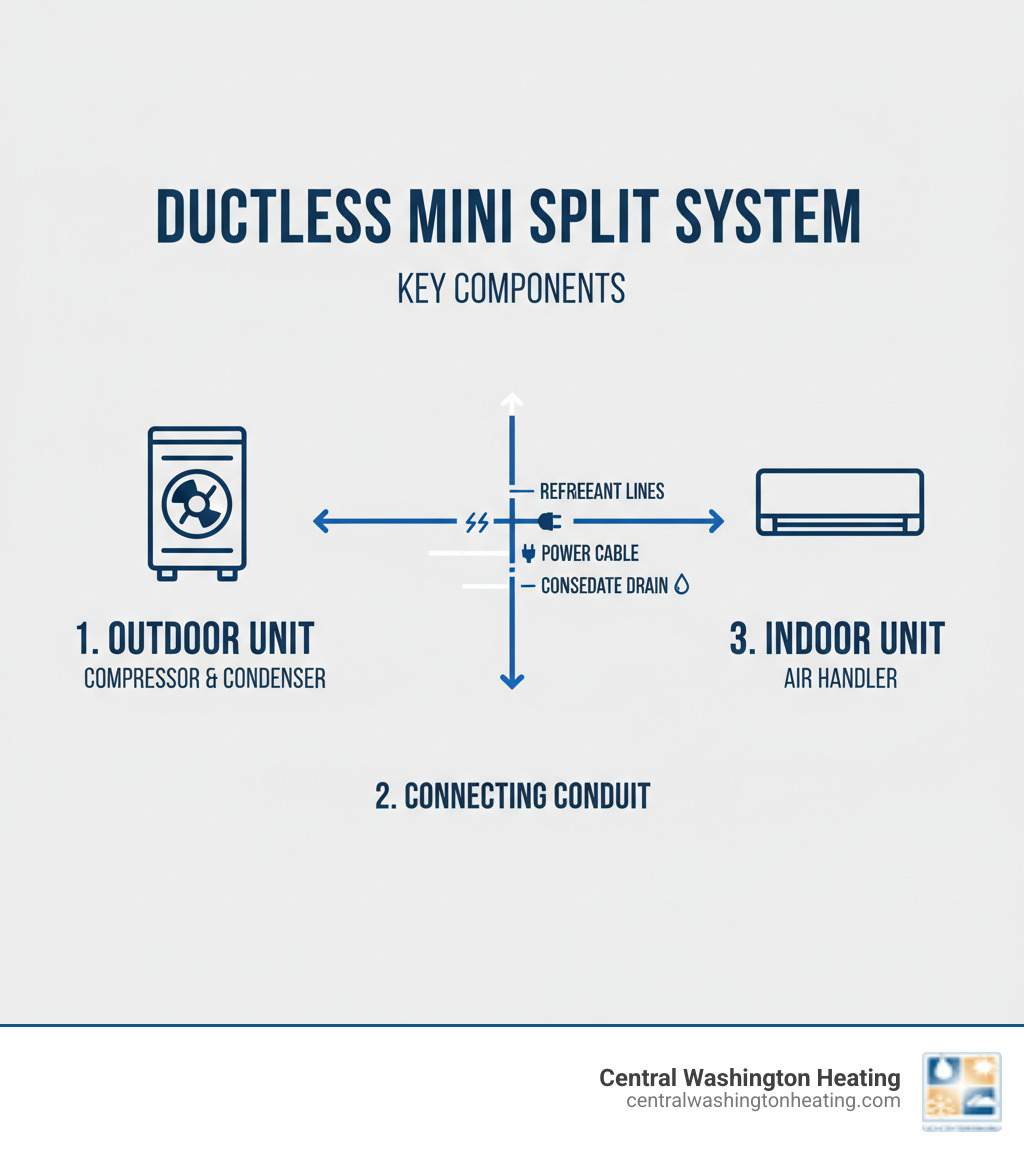
A ductless mini split is a versatile heating and cooling system that delivers conditioned air directly to specific rooms without requiring traditional ductwork. These systems consist of two main components: an outdoor compressor/condenser unit and one or more indoor air-handling units connected by refrigerant lines.
Key Features of Ductless Mini Split Systems:
- Two-part design: Outdoor unit + indoor unit(s) connected by conduit
- No ductwork required: Perfect for older homes or room additions
- Zone control: Independent temperature settings for each room
- Heat pump technology: Provides both heating and cooling year-round
- Energy efficient: Avoids the 30% energy loss common in ducted systems
- Flexible installation: Wall-mounted, ceiling, or floor options available
For Central Washington homeowners dealing with uneven temperatures, high energy bills, or rooms that are difficult to heat and cool, ductless mini splits offer a practical solution. These systems excel in situations where extending existing ductwork isn’t feasible or cost-effective.
The technology works by transferring heat rather than generating it, making these systems significantly more efficient than traditional electric heating. In summer, the system moves heat from inside your home to the outdoors. In winter, it extracts heat from outdoor air (even in cold temperatures) and brings it inside.
Whether you’re adding comfort to a garage conversion, dealing with hot and cold spots in your home, or looking for an energy-efficient alternative to window units, ductless mini splits provide targeted climate control exactly where you need it.
How Ductless Systems Provide Zoned Comfort
Understanding how a ductless mini split creates personalized comfort zones starts with getting to know its two main players. Think of it like a perfectly choreographed dance between an outdoor unit working hard behind the scenes and indoor units delivering comfort exactly where you need it.
The outdoor unit is where most of the heavy lifting happens. This weatherproof powerhouse houses the compressor and condenser coils. The compressor acts like the system’s heart, pumping refrigerant throughout the entire system and building up the pressure needed to transfer heat effectively. Right alongside it, the condenser coils work as a indoor coil, either releasing heat to the outdoors during summer cooling or absorbing heat from outside air during winter heating.
Inside your home, the sleek indoor unit (also called an air handler) quietly does its job. This unit contains the evaporator coils and a whisper-quiet fan that circulates air through your room. During cooling mode, these evaporator coils become cold, absorbing heat from your room’s air. For heating, the process flips, and the coils become warm to heat the incoming air.
What connects these two components is a slim conduit that runs between them. This unassuming bundle carries everything needed to make the magic happen: refrigerant lines that transport the special fluid back and forth, electrical wiring to power the indoor unit, and a condensate drain to handle any moisture the system removes from your air.
The real genius lies in the heat pump technology that powers the whole operation. Rather than burning fuel or using electric coils to create heat, your ductless mini split simply moves heat from one place to another. This heat transfer process is incredibly efficient because moving heat requires far less energy than generating it from scratch.
During Central Washington’s warm months, the system pulls heat from inside your home and dumps it outside. When winter arrives, it reverses direction and extracts heat from outdoor air – yes, even frigid air contains usable heat energy! The special refrigerant flowing through the system makes this heat transfer possible, changing from liquid to gas and back again as it absorbs and releases thermal energy.
This sophisticated heat transfer process is what allows a single ductless mini split system to provide both heating and cooling year-round. If you’re curious about the technical details of this fascinating process, check out our guide on how heat pumps work for a deeper dive into the science behind your comfort.
The Top Advantages of a Ductless Mini Split System
When Central Washington homeowners ask us why they should consider a ductless mini split system, we get excited to share the remarkable benefits these systems offer. After years of installing and servicing these units, we’ve seen how they transform home comfort while delivering impressive savings.
The most striking advantage is their exceptional energy efficiency. Here’s something that might surprise you: traditional ducted systems can waste more than 30% of their energy through leaky ductwork. Those sneaky cracks, holes, and poor connections in your ducts are literally letting your money escape into crawl spaces and attics, resulting in higher utility bills. Ductless mini split systems sidestep this problem entirely by eliminating ductwork altogether. The conditioned air travels directly from the indoor unit to your living space with zero loss along the way.
We’ve had customers tell us their energy bills dropped by nearly half after switching to mini splits. While your savings will depend on your specific situation, the elimination of ductwork energy loss makes a real difference you’ll notice every month.
The zoned comfort these systems provide is nothing short of a game-changer for family harmony. Remember the thermostat wars? With Zoning capabilities, each indoor unit operates independently with its own temperature control. Your teenager can keep their room arctic-cold while grandma stays cozy in the living room. You can heat only the spaces you’re using and leave unused rooms unheated, maximizing both comfort and efficiency.
Improved indoor air quality is another compelling benefit that often surprises homeowners. Traditional ducted systems can become highways for dust, pet dander, and other allergens that accumulate in ductwork over time. Ductless mini split systems deliver fresh, filtered air directly to each room through multi-stage filtration systems built into the indoor units. Without miles of ducts collecting contaminants, you’re breathing cleaner air from day one. For more insights on air quality, check out Why You Need a Good Air Filter.
The flexible installation options make these systems incredibly versatile. Need AC Without Ducts for your 1920s craftsman home? No problem. Adding a room above the garage? Perfect application. The outdoor unit can be positioned up to 50 feet away from indoor units, giving us plenty of options for placement even in challenging situations.
We also love how quiet these systems operate. Both indoor and outdoor units run whisper-quiet, so you won’t hear the constant cycling and whooshing sounds that come with traditional systems. This makes them ideal for bedrooms, home offices, or anywhere you value peace and quiet.
Common applications where we see ductless mini split systems shine include room additions where extending existing ductwork would be costly or impossible, older homes that were built before central air became standard, and garages that have been converted into living spaces. They’re also fantastic for solving hot and cold spots in larger homes or providing efficient climate control in smaller living areas.
Whether you’re dealing with an uncomfortable room, planning a home addition, or simply want more control over your home’s comfort, ductless technology offers solutions that traditional systems simply can’t match.
Choosing the Right Ductless System for Your Home
Finding the perfect ductless mini split system for your Central Washington home doesn’t have to feel overwhelming. Think of it like shopping for a car – you want something that fits your needs, your space, and your lifestyle. The good news? There’s likely a system that’s just right for you.
Types of Ductless Mini Split Systems
The beauty of ductless mini split systems lies in their flexibility. You can start small and simple, or go big and cover your entire home.
Single-zone systems are the perfect starting point for many homeowners. Picture this: you have one outdoor unit talking to one indoor unit, creating a comfortable oasis in exactly the space you need it most. Maybe it’s that home office that gets too stuffy in summer, or the garage you converted into a workshop. These systems typically handle spaces that need anywhere from a ¾-ton to 2-ton capacity, making them ideal for targeted comfort solutions.
Multi-zone systems are where things get really exciting. One outdoor unit can connect to multiple indoor units – sometimes as many as eight! Each indoor unit operates independently, so your teenager can keep their room arctic while you enjoy a cozy 72 degrees in the living room. No more thermostat battles! This setup truly showcases the Advantages of Mini Split AC technology.
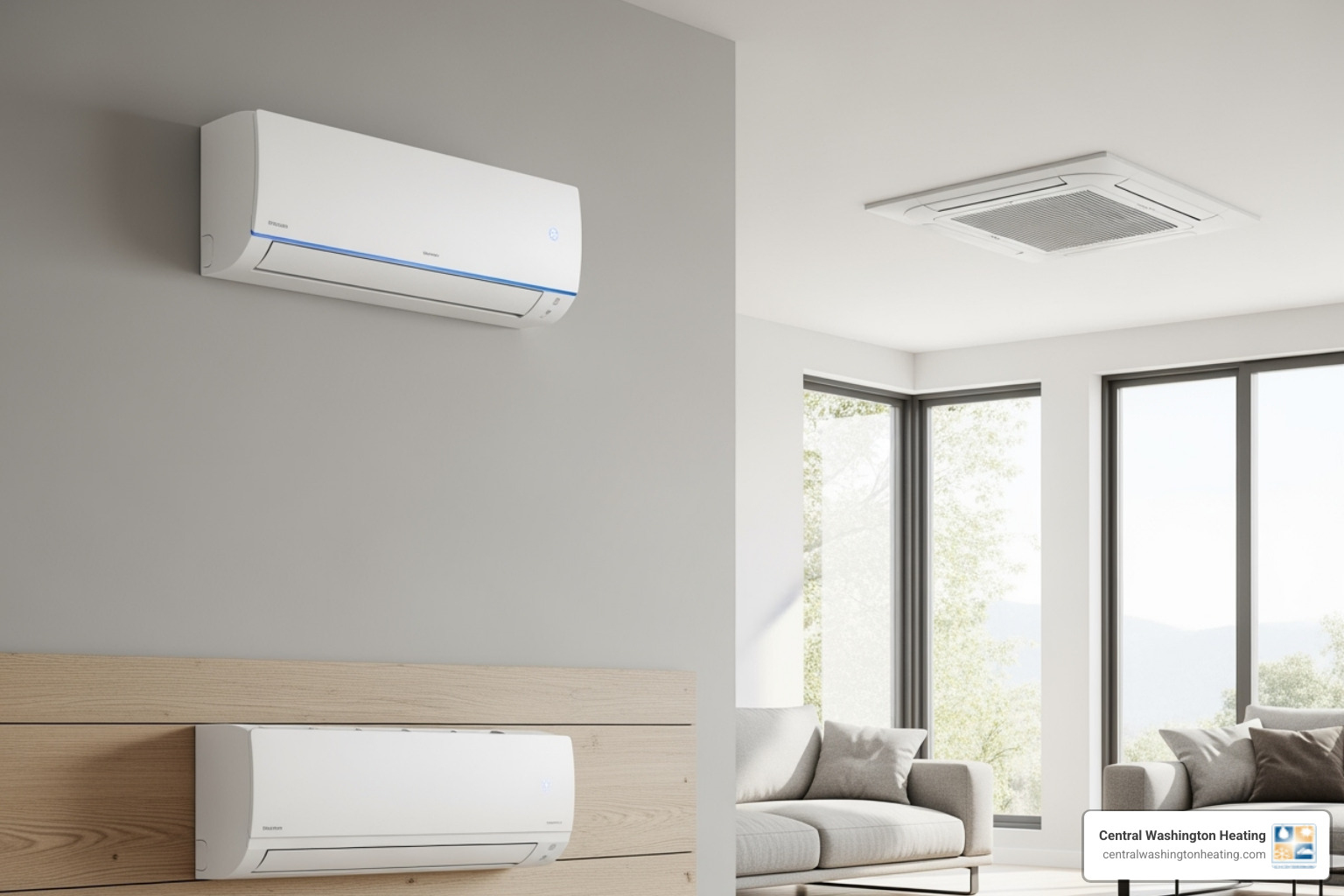
When it comes to indoor unit styles, you’ve got options that can blend seamlessly with your home’s aesthetic. Wall-mounted units are the most popular choice – they’re sleek, modern, and mount high on the wall where they quietly do their job. Ceiling cassette units are the ninjas of the mini split world, sitting flush with your ceiling and distributing air in multiple directions while staying virtually invisible.
Floor-mounted units work beautifully in spaces with limited wall clearance or when you prefer heat to rise naturally from below. And for those who love the clean look of traditional vents, concealed duct units hide within ceiling or wall cavities, connecting to short ductwork runs and discreet grilles.
Key Features to Consider in a Ductless Mini Split
Choosing the right system means paying attention to a few crucial details that will make or break your comfort experience.
Capacity is where many homeowners get tripped up. BTU ratings tell you how much heating or cooling power your system delivers, and getting this right is absolutely critical. Too small, and your system will struggle like a compact car trying to haul a trailer. Too big, and it’ll short cycle – turning on and off constantly like an indecisive friend. That’s why we always perform a detailed Load Calculation to match your system perfectly to your space.
Energy efficiency ratings are your ticket to lower utility bills. Look for high SEER numbers for cooling efficiency and high HSPF ratings for heating performance. These numbers might seem like alphabet soup, but they translate directly into money staying in your pocket each month. The ENERGY STAR® label is your friend here – it guarantees you’re getting top-tier efficiency. Check out Ductless Heating & Cooling for certified models.
Smart features have transformed how we interact with our comfort systems. Wi-Fi connectivity lets you adjust your temperature from anywhere – perfect for warming up the house on your drive home from work. Programmable timers can automatically adjust temperatures when you’re sleeping or away, maximizing both comfort and savings. And if technology ever gives you trouble, we’re here to help with issues like a Mini Split Remote Control Not Working.
Cold climate performance deserves special attention here in Central Washington. Not all heat pumps are created equal when temperatures drop. Look for models specifically designed for cold climates – some can keep heating effectively even at -20°F or colder. This capability makes them a true year-round solution, proving how a Heat Pump Can Improve Home Comfort regardless of what Mother Nature throws at us.
The key is finding the sweet spot where all these features align with your specific needs and preferences. That’s where our expertise really shines – helping you steer these choices to find your perfect comfort solution.
Installation and Maintenance for Long-Term Performance
Getting the most out of your ductless mini split system isn’t just about choosing the right model – it’s about ensuring it’s installed correctly and maintained properly throughout its life. Think of it like buying a high-performance car: you wouldn’t let just anyone work on it, and you’d definitely keep up with regular tune-ups to keep it running smoothly.
Professional Installation Considerations
We get it – watching YouTube videos can make DIY installation seem tempting. But here’s the thing: ductless mini split systems involve refrigerant handling, electrical work, and precision that can make or break your system’s performance. One small mistake during installation can lead to years of problems, reduced efficiency, and even safety hazards.
Proper sizing is where everything starts. You can’t just guess at what size unit you need based on square footage alone. Our technicians perform detailed calculations that consider your home’s insulation, window types, ceiling height, local climate, and even which direction your rooms face. It’s crucial to properly size your system because an oversized unit will cycle on and off too frequently, wasting energy and failing to remove humidity properly. An undersized unit will run constantly, never quite reaching your desired comfort level.
Unit placement requires both technical expertise and an eye for aesthetics. The indoor unit needs to be positioned where it can distribute air effectively throughout the room without creating uncomfortable drafts or hot spots. We also consider how it looks in your space – nobody wants an eyesore on their living room wall. The outdoor unit needs proper airflow clearance, protection from extreme weather, and a stable foundation. Plus, we can place it up to 50 feet away from the indoor unit, giving us flexibility to find the perfect spot.
Electrical requirements are another critical piece of the puzzle. Your ductless mini split needs its own dedicated circuit, and the electrical connections must meet strict safety codes. Our certified technicians ensure everything is wired correctly and safely, protecting both your investment and your family.
The refrigerant line installation might look simple, but it’s actually one of the most technical aspects. These lines must be installed without any kinks, properly insulated, and completely free of air and moisture. Even tiny leaks can cause major efficiency problems and expensive repairs down the road. Our Mini Split Installation Checklist for Homes covers all these important details.
Essential System Maintenance
Here’s some good news: ductless mini split systems are relatively low-maintenance compared to traditional HVAC systems. But “low-maintenance” doesn’t mean “no-maintenance.” A little regular care keeps your system running efficiently and extends its lifespan significantly.
You can handle some basic maintenance tasks yourself. Cleaning the filters in your indoor units is the most important thing you can do. These filters should be cleaned monthly during heavy-use seasons. It’s actually quite satisfying – you’ll be amazed at how much dust and debris they catch. Just pop them out, rinse with water, let them dry completely, and slide them back in.
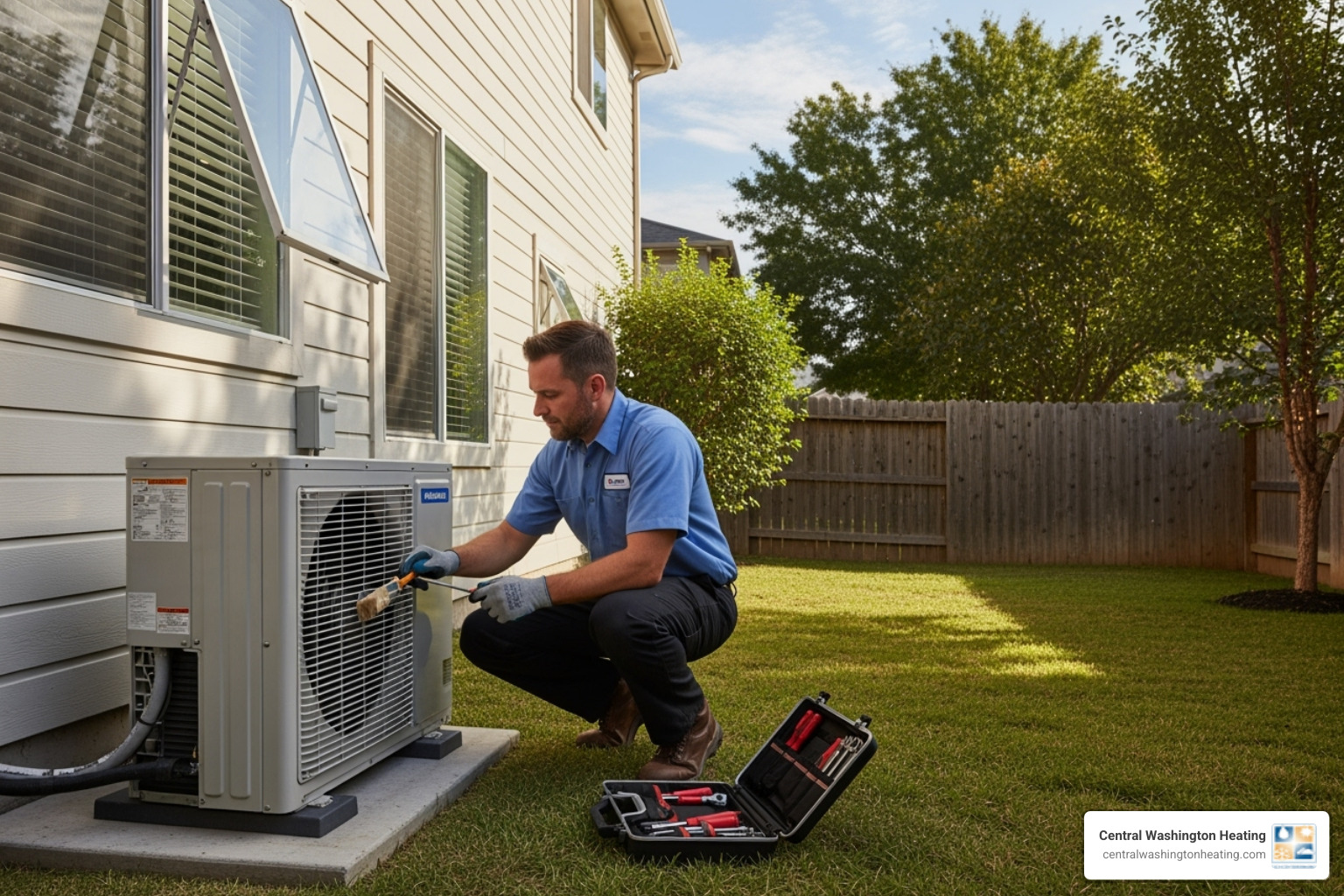
Checking your outdoor unit periodically is also worthwhile. Take a walk around it every few months and clear any debris like leaves, grass clippings, or snow that might block airflow. Keep plants and shrubs trimmed back at least two feet from all sides. Also, make sure the area around the condensate drain stays clear so water can flow freely.
While you can handle these simple tasks, we strongly recommend annual professional tune-ups. Think of it as an insurance policy for your comfort and investment. During these visits, our technicians dive much deeper, checking refrigerant levels, testing electrical connections, cleaning internal components, and catching small issues before they become expensive problems.
Many homeowners find that an AC Service Agreement gives them peace of mind and often saves money in the long run. Regular professional maintenance is the best strategy for Maximizing AC Lifespan with Regular Maintenance. With proper care, your ductless mini split system can provide reliable comfort for 15-20 years or even longer.
The bottom line? Professional installation and regular maintenance aren’t just recommendations – they’re the foundation of getting the comfort, efficiency, and longevity you expect from your ductless mini split investment.
Frequently Asked Questions about Ductless Mini Splits
We love chatting with Central Washington homeowners about ductless mini split systems because there’s so much to appreciate about this technology! Over the years, we’ve noticed the same thoughtful questions come up again and again. Let’s explore the most common ones to help you feel confident about your decision.
Are ductless systems good for both heating and cooling?
This is probably our favorite question to answer because the answer is such a resounding yes! Ductless mini split systems are like having a superhero HVAC unit – they’re incredibly versatile and work hard all year long to keep your home comfortable.
Most modern ductless mini split systems use advanced heat pump technology, which means they’re designed to handle both your summer cooling needs and your winter heating requirements. Think of it as getting two appliances in one sleek package.
Here’s where it gets really interesting: during those hot Central Washington summers, your system works just like a traditional air conditioner, pulling heat from inside your home and sending it outside where it belongs. But when winter rolls around, the system has a clever trick up its sleeve – a special reversing valve that completely flips the operation.
In heating mode, your ductless mini split becomes a heat magnet, extracting warmth from outdoor air (yes, even when it feels freezing cold outside, there’s still usable heat energy!) and bringing it indoors to warm your living spaces. This heat transfer process is remarkably more efficient than creating heat from scratch, which is what traditional air handlers do.
Today’s cold-weather models are truly impressive. They can keep your home cozy even when Central Washington temperatures plummet to -20°F or colder. If you’re curious about the science behind this seemingly magical process, check out our detailed explanation of How Heat Pumps Work.
What are the potential drawbacks of a ductless system?
We believe in being completely honest with our customers, so let’s talk about the few considerations you should keep in mind when choosing a ductless mini split system.
The most common concern we hear is about the aesthetics of indoor units. Unlike central air systems that hide behind vents, the indoor units are visible in your living space. Some homeowners initially worry about how they’ll look on their walls. The good news? Manufacturers have come a long way in creating sleek, modern designs that many people actually find quite attractive. Plus, with options like ceiling cassettes and floor-mounted units, you often have choices that can blend seamlessly with your décor.
Another reality is the professional installation requirement. Unlike plugging in a window unit, ductless mini split systems need expert installation. This involves electrical work, refrigerant line connections, and precise placement – definitely not a weekend DIY project. While this means you can’t install it yourself, professional installation ensures your system operates safely and efficiently for years to come. The expertise really pays off in the long run, as outlined in our article about the Benefits Professional AC Installation.
Finally, there’s the upfront investment to consider. Ductless mini split systems typically require a higher initial investment compared to window units or portable air conditioners. However, most homeowners find that the energy savings, improved comfort, and increased home value more than make up for this initial expense over time.
How do mini splits affect indoor air quality?
This is where ductless mini split systems really shine, and it’s something we’re excited to share with homeowners who are concerned about the air they breathe.
The biggest advantage comes from having no ductwork contamination. Traditional ducted systems can become highways for dust, pet dander, mold spores, and other allergens that get trapped and circulated throughout your home. Since ductless mini split systems deliver conditioned air directly, they completely bypass this problem.
Each indoor unit comes equipped with its own multi-stage filtration system that works like a personal air cleaner for each room. These filters actively capture airborne particles, helping to reduce dust, pollen, and other common allergens right where you need it most. While the filtration might not reach the highest MERV ratings you’d find in some central systems, the direct delivery and absence of dirty ducts make a real difference in air quality.
The result is reduced dust and allergens throughout your living space. Many of our customers notice cleaner air and fewer allergy symptoms, especially those who previously dealt with dusty or musty-smelling air from old ductwork. For homeowners looking to take air quality even further, a ductless mini split system pairs beautifully with dedicated air purifiers, which we discuss in our guide to the Best Home Air Filtration System.
While ductless mini split systems don’t typically use full HEPA Filter technology directly in the unit, the combination of localized filtration and ductwork-free operation creates a noticeably cleaner indoor environment that many homeowners absolutely love.
Conclusion: Is a Ductless Mini Split Right for Your Washington Home?
After exploring all the benefits and considerations, you might be wondering if a ductless mini split system is the right choice for your Central Washington home. The answer often comes down to your specific comfort needs and living situation.
These remarkable systems truly shine when it comes to zoned comfort. If you’ve ever found yourself in a thermostat battle with family members, or if you have rooms that are consistently too hot or too cold, a ductless mini split can be a game-changer. Each indoor unit operates independently, giving everyone the power to create their perfect environment without affecting the rest of the house.
The energy savings potential is equally impressive. By eliminating the energy losses that plague traditional ducted systems, many homeowners see dramatic reductions in their utility bills. When you combine this efficiency with the ability to heat and cool only the spaces you’re actually using, the savings can really add up over time.
Perhaps most importantly, these systems offer incredible versatility. Whether you’re dealing with an older home that lacks ductwork, adding comfort to a garage conversion, or simply want to supplement your existing HVAC system in problem areas, a ductless mini split adapts to your unique situation rather than forcing you to adapt to it.
The quiet operation, improved air quality, and year-round functionality make these systems particularly appealing for Central Washington’s diverse climate conditions. From hot summer days to chilly winter nights, modern heat pump technology ensures consistent comfort throughout the seasons.
At Central Washington Heating, we understand that every home and family is different. That’s why we take the time to assess your specific needs, explain your options clearly, and recommend the system that makes the most sense for your situation. Our expert consultation process helps you understand exactly what a ductless mini split can do for your home.
When you’re ready to move forward, our professional installation team ensures your system is set up correctly from day one. Proper installation isn’t just about getting the system running—it’s about maximizing efficiency, ensuring safety, and setting the stage for years of reliable comfort.
Ready to find how a ductless mini split can transform your home’s comfort? We’d love to help you explore your options and find the perfect solution for your Central Washington home. Visit All of Central Washington Heating and Air Services to learn more about how we can serve you, or contact us today to schedule your consultation. Your most comfortable home is just a conversation away.

Written by the Central Washington Heating and Air team
The techs and comfort advisors who've kept the Wenatchee Valley heated, cooled, and breathing easy for 30+ years — family & veteran owned, with 40+ years of combined industry experience.
- Licensed & insured · LIC# CENTRWH742JN
- Daikin Comfort Pro certified
- Wenatchee, WA
Last updated July 29, 2026
Ready for comfort you can count on?
Schedule service, request a free estimate, or call now for 24/7 emergency help. Our team is standing by across the Wenatchee Valley.
Get started today
Free estimates on installs · no-pressure, written quotes
Schedule My ServiceCall (509) 776-0247Mon–Fri: 8:00 AM – 4:30 PM · 24/7 for emergencies
Already have a quote? Get a free second opinion →