
The Ultimate HVAC Tune-Up Checklist: What to Expect and Why It Matters
Boost comfort & save with an HVAC tune up! Learn benefits, what's included, & DIY tips for a healthy home.
What is an HVAC Tune-Up and Why is it Crucial?
An HVAC tune up is a comprehensive maintenance service where a certified technician inspects, cleans, and adjusts your heating and cooling system for peak performance. Much like a car, your HVAC system requires preventative maintenance to operate efficiently and reliably.
What an HVAC Tune-Up Includes:
- Thermostat calibration and testing
- Electrical connections inspection and tightening
- Air filter replacement or cleaning
- Moving parts lubrication
- Refrigerant levels check and adjustment
- Safety controls testing
- System performance evaluation
Regular maintenance is your best defense against costly and inconvenient equipment failures. A well-maintained HVAC system can last 10-15 years, while neglected units might only last 5-7 years.
Why Regular Tune-Ups Matter:
Your HVAC system works year-round to keep your Central Washington home comfortable. Without proper maintenance, dust and debris accumulate on critical components, forcing your system to work harder and consume more energy.
Research shows that HVAC tune-ups can save you up to 15% on your energy bills. These savings often outweigh the cost of preventative maintenance itself.

The Key Benefits of a Regular HVAC Tune Up
A regular HVAC tune up is one of the best investments for your home, paying you back in comfort, savings, and peace of mind. The key benefits include:
- Improved Energy Efficiency: When dust and debris build up on coils and filters, your system works harder. According to the U.S. Department of Energy, regular maintenance can improve efficiency by up to 15 percent.
- Lower Utility Bills: This efficiency boost translates directly into lower utility bills, as your system uses less energy to heat or cool your Central Washington home.
- Extended Equipment Lifespan: Regular maintenance dramatically extends your equipment’s lifespan. A well-maintained system can last 10-15 years, while a neglected one might fail in just 5-7 years.
- Prevention of Costly Repairs: Tune-ups are crucial for preventing costly repairs. Our technicians spot and fix small issues like worn belts or loose connections before they lead to major system failures.
- Improved Indoor Air Quality: A tune-up significantly improves indoor air quality. Technicians clean components and replace filters, removing dust, pollen, and other allergens that would otherwise circulate through your home.
- System Reliability and Peace of Mind: Regular maintenance provides system reliability and peace of mind. You can relax knowing your HVAC system is operating safely and efficiently.
Signs Your System Needs an HVAC Tune-Up
Your HVAC system will often show warning signs when it needs attention. Look out for the following:
- Unusual Noises: Grinding, squealing, or banging often indicates loose parts or struggling motors.
- Strange Odors: Burning smells can signal electrical issues, while musty scents may indicate mold or mildew.
- Weak Airflow: If air from your vents feels weak, it could be due to clogged filters, blocked ducts, or a failing blower motor.
- Inconsistent Temperatures: Uneven heating or cooling throughout your home can point to thermostat problems or ductwork issues.
- Higher Energy Bills: A sudden increase in your utility costs often means your system is losing efficiency.
- Frequent Cycling: If your system turns on and off more often than usual, it could have issues with the thermostat or refrigerant levels.
- Increased Indoor Humidity: A sticky feeling in your home, even when the AC is on, can mean your system isn’t removing moisture properly.
How Maintenance Prevents Costly Breakdowns
Regular maintenance is proactive problem-solving. During an HVAC tune up, our technicians examine every component to fix small issues before they cause major damage.
For example, replacing a worn belt before it snaps prevents a total system shutdown. Tightening electrical connections ensures safe operation and prevents component failure. This is especially important for protecting the compressor, one of the most expensive parts of your AC system. Dirty coils or low refrigerant can cause the compressor to overheat and fail, but routine maintenance catches these issues early.
By addressing potential problems proactively, you can avoid emergency repairs and the premium pricing that often comes with them. This preventive approach is key to extending system life from 7 to 15 years, allowing you to get the most out of your investment.
The Ultimate Professional HVAC Tune-Up Checklist
When you schedule a professional HVAC tune up with Central Washington Heating, our certified technicians perform a comprehensive inspection. Using specialized tools and a meticulous checklist, we ensure every critical component of your system is optimized for performance and ready for Central Washington’s weather.
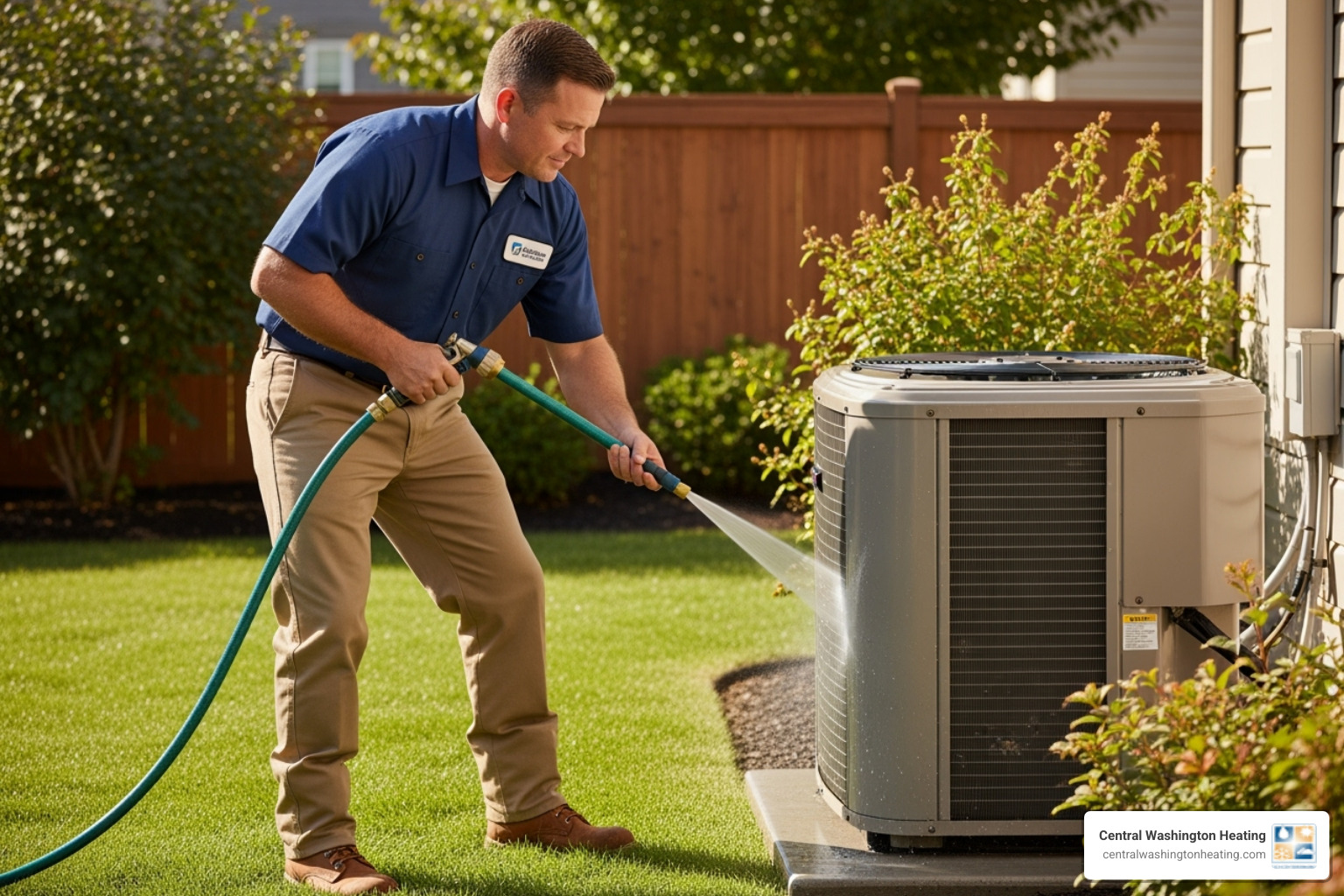
This comprehensive approach means you can relax knowing that every aspect of your heating and cooling system has been expertly evaluated and optimized.
What Does a Professional HVAC Tune-Up Include?
Our systematic approach covers all essential bases. Key tasks include:
- Calibrating your thermostat to ensure it reads temperatures accurately, preventing your system from working unnecessarily.
- Inspecting electrical connections by tightening all wires to prevent inefficiency and safety hazards.
- Lubricating moving parts like fan motors to reduce friction and prevent premature wear.
- Checking the condensate drain and cleaning it to prevent water damage and increased humidity.
- Testing all system controls and safety switches to ensure they are functioning correctly to protect your equipment.
- Cleaning blower components to ensure your system moves air efficiently throughout your home.
- Inspecting the air filter and advising on the best replacement schedule and type for your system.
- Evaluating your system’s overall performance to ensure everything is working in harmony.
Cooling System Specifics (Air Conditioner)
For your air conditioner, we focus on the components that keep you cool during warm Central Washington summers.
- Condenser and evaporator coil cleaning removes built-up dirt and debris, improving efficiency and indoor air quality.
- Refrigerant level checks are critical. We ensure the charge is correct and look for any signs of leaks, as improper levels hinder performance.
- Fan motor and blades on the outdoor unit are inspected for smooth, balanced operation.
- Supply and return temperature differential is measured to confirm how effectively your system is cooling the air.
Heating System Specifics (Air handler)
For your air handler, safety and efficiency are our top priorities.
- Indoor coil inspection is a critical safety check for cracks that could allow electrical safety to enter your home.
- Heat-strip amperage and connections are checked to ensure safe, efficient electric heating and to detect any leaks.
- The electric heat startup sequence is tested for reliable startup.
- The heat strip assembly is cleaned and inspected for optimal electric heating efficiency.
- All safety controls, such as limit switches, are tested to ensure they function correctly and prevent overheating.
- Electrical safety testing is performed with specialized equipment to detect any presence of this dangerous gas.
- Temperature rise is measured to confirm your air handler is heating the air efficiently.
Your Role in HVAC Health: DIY Tips vs. Professional Service
HVAC maintenance is a partnership. While a professional HVAC tune up is essential for technical adjustments and deep inspections, homeowners can perform several simple tasks to help maintain their system’s health between service visits.
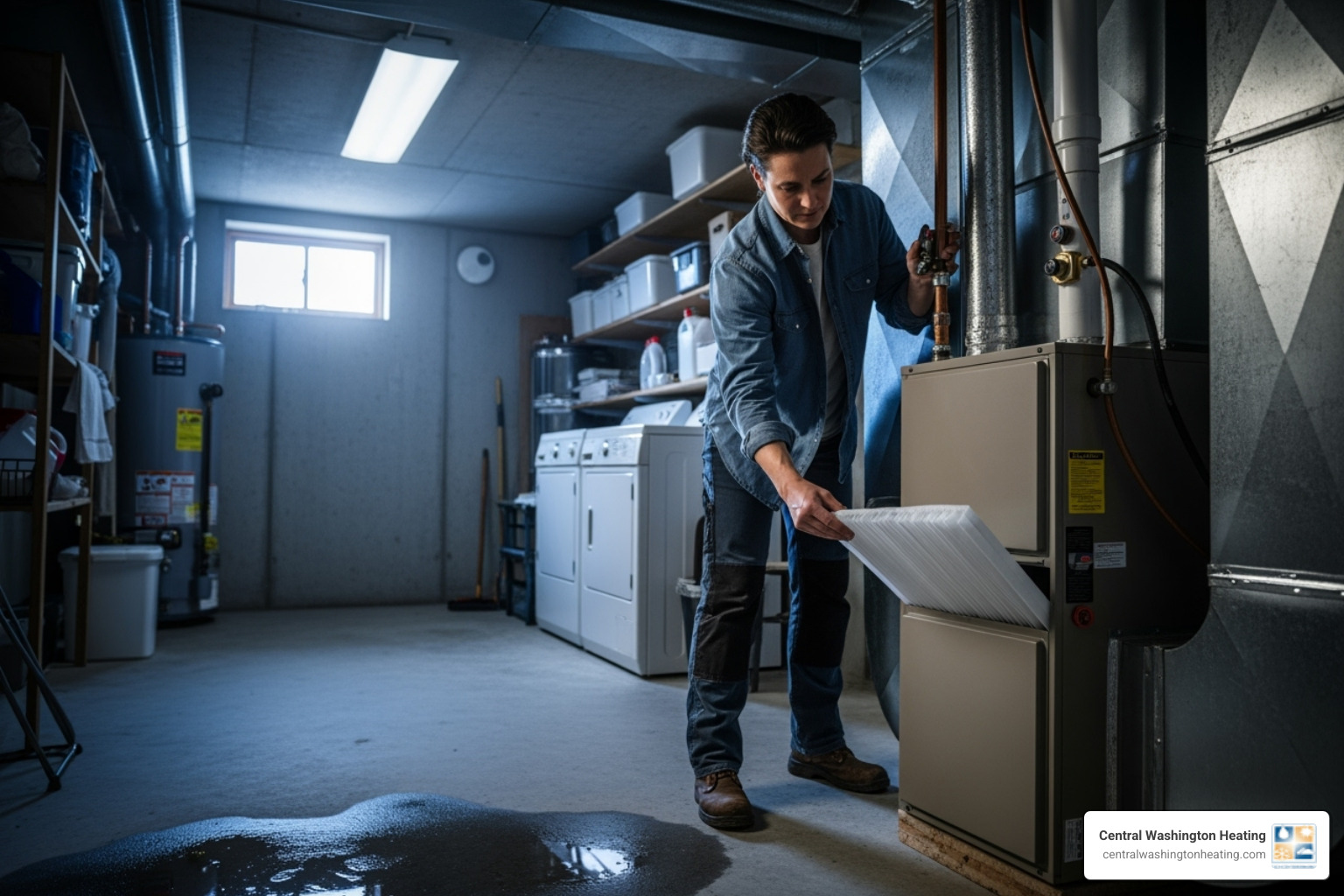
Basic DIY Maintenance Tasks
These simple efforts can make a real difference in your system’s performance.
- Changing air filters is the most important DIY task. A clogged filter reduces efficiency and forces your system to work harder. Check your filter monthly and replace it every 1-3 months.
- Cleaning registers and vents with a vacuum keeps air flowing freely. Also, ensure they are not blocked by furniture or curtains.
- Keeping the outdoor unit clear of debris is crucial. Trim back plants at least two feet and regularly remove leaves and grass clippings.
- Checking thermostat batteries can prevent a service call for a system that appears broken but simply needs new batteries.
- Sealing air leaks around windows and doors with caulk or weatherstripping helps your system maintain temperatures more easily.
Why You Need a Professional Technician
However, some tasks should only be handled by a professional due to the need for specialized knowledge and the risks involved.
- Specialized Tools: Professionals use diagnostic equipment to measure refrigerant levels, detect gas leaks, and assess electrical currents with precision.
- Technical Expertise: North American Technician Excellence (NATE) certified professionals have the training to spot subtle issues an untrained eye would miss.
- Safety Risks: HVAC systems contain high-voltage electricity and pressurized refrigerant. Incorrect handling can lead to serious injury or expensive damage.
- Refrigerant Handling: Only certified technicians can legally and safely handle refrigerants, following strict environmental and safety protocols.
- Electrical Components: Modern HVAC systems have complex electrical circuits. Incorrect work can create fire or electrocution hazards.
Your DIY efforts are valuable for day-to-day upkeep, but professional expertise is necessary to ensure your system operates safely, efficiently, and reliably for years to come.
Frequently Asked Questions about HVAC Tune-Ups
We get a lot of questions about HVAC tune ups from our Central Washington neighbors. Here are answers to some of the most common ones.
How often should I get an HVAC tune-up?
The standard recommendation for HVAC tune ups is twice a year: once in the spring for your air conditioner and once in the fall for your heating system. This schedule prepares each system for its peak season of use. Scheduling maintenance before summer and winter allows technicians to catch small issues before they become major problems during extreme weather.
How long does an HVAC tune-up take?
A comprehensive HVAC tune up typically takes 60 to 90 minutes. The exact time can vary depending on the system’s age, complexity, and condition. If it has been a while since the last service or if issues are found, it may take longer.
Will a tune-up improve my home’s air quality?
Yes. An HVAC tune up significantly improves indoor air quality. During the service, we clean components like the evaporator and condenser coils, which can collect dust, pollen, and mold. We also replace the air filter. A clean system is more effective at removing airborne particles, resulting in fresher, healthier air. This is especially helpful for those with allergies or respiratory issues.
Conclusion: Protect Your Investment and Ensure Year-Round Comfort
Your HVAC system works hard to keep your Central Washington home comfortable. A regular HVAC tune up is a smart investment to protect this vital appliance. The key benefits include:
- Energy savings of up to 15% on utility bills.
- Extended equipment lifespan, potentially from 7 to 15 years.
- Prevention of costly breakdowns during extreme weather.
- Improved indoor air quality for a healthier home.
- Peace of mind knowing your system is safe and reliable.
While DIY tasks like changing filters are helpful, the technical work of a tune-up requires a professional. Our skilled technicians at Central Washington Heating have the expertise and tools to ensure your system provides reliable comfort for years.
Don’t wait for a problem to arise. Proactive care is the best way to protect your investment and ensure your family’s comfort all year long.

Schedule your professional HVAC service today to keep your system running efficiently all year long

Written by the Central Washington Heating and Air team
The techs and comfort advisors who've kept the Wenatchee Valley heated, cooled, and breathing easy for 30+ years — family & veteran owned, with 40+ years of combined industry experience.
- Licensed & insured · LIC# CENTRWH742JN
- Daikin Comfort Pro certified
- Wenatchee, WA
Last updated July 29, 2026
Ready for comfort you can count on?
Schedule service, request a free estimate, or call now for 24/7 emergency help. Our team is standing by across the Wenatchee Valley.
Get started today
Free estimates on installs · no-pressure, written quotes
Schedule My ServiceCall (509) 776-0247Mon–Fri: 8:00 AM – 4:30 PM · 24/7 for emergencies
Already have a quote? Get a free second opinion →