
Out with the Old, In with the Cool: Your AC Unit Replacement Playbook
Is your AC failing? Learn when to replace, choose the best system, and find expert AC unit replacement services for a cool, efficient home.
Why AC Unit Replacement is Your Path to Better Home Comfort
AC unit replacement becomes necessary when your cooling system can no longer efficiently maintain comfortable temperatures. The decision typically centers on three key factors: your unit's age, rising repair costs, and declining energy efficiency.
Key signs you need AC replacement:
- Age: Unit is 10-15+ years old
- Frequent repairs: Multiple breakdowns per season
- High energy bills: 20-40% increase despite similar usage
- Poor cooling: Uneven temperatures or inability to reach set temperature
- Outdated refrigerant: Uses R-22 (Freon), which is no longer produced
When to repair vs. replace:
- Repair: Unit under 10 years old, minor issues, repair costs under 50% of replacement value
- Replace: Unit over 10 years old, major component failure, repair costs approaching half the price of new system
Your AC system works hard to keep your family comfortable during a hot Central Washington summer, but like all mechanical equipment, it won't last forever.
Modern high-efficiency systems can use 20-40% less electricity than units made 10-15 years ago. This means a new AC doesn't just restore comfort—it saves money on monthly utility bills while providing better humidity control and more consistent temperatures.
The average lifespan of most central air conditioners is 15 to 20 years, but factors like climate, maintenance frequency, and system workload can shorten this timeline, making replacement the smarter choice over continued repairs.

When to Say Goodbye: 7 Signs You Need an AC Replacement
Even the most dependable air conditioner won't last forever. Recognizing when it's time for a new unit can save you from sweltering summer days and mounting repair bills.
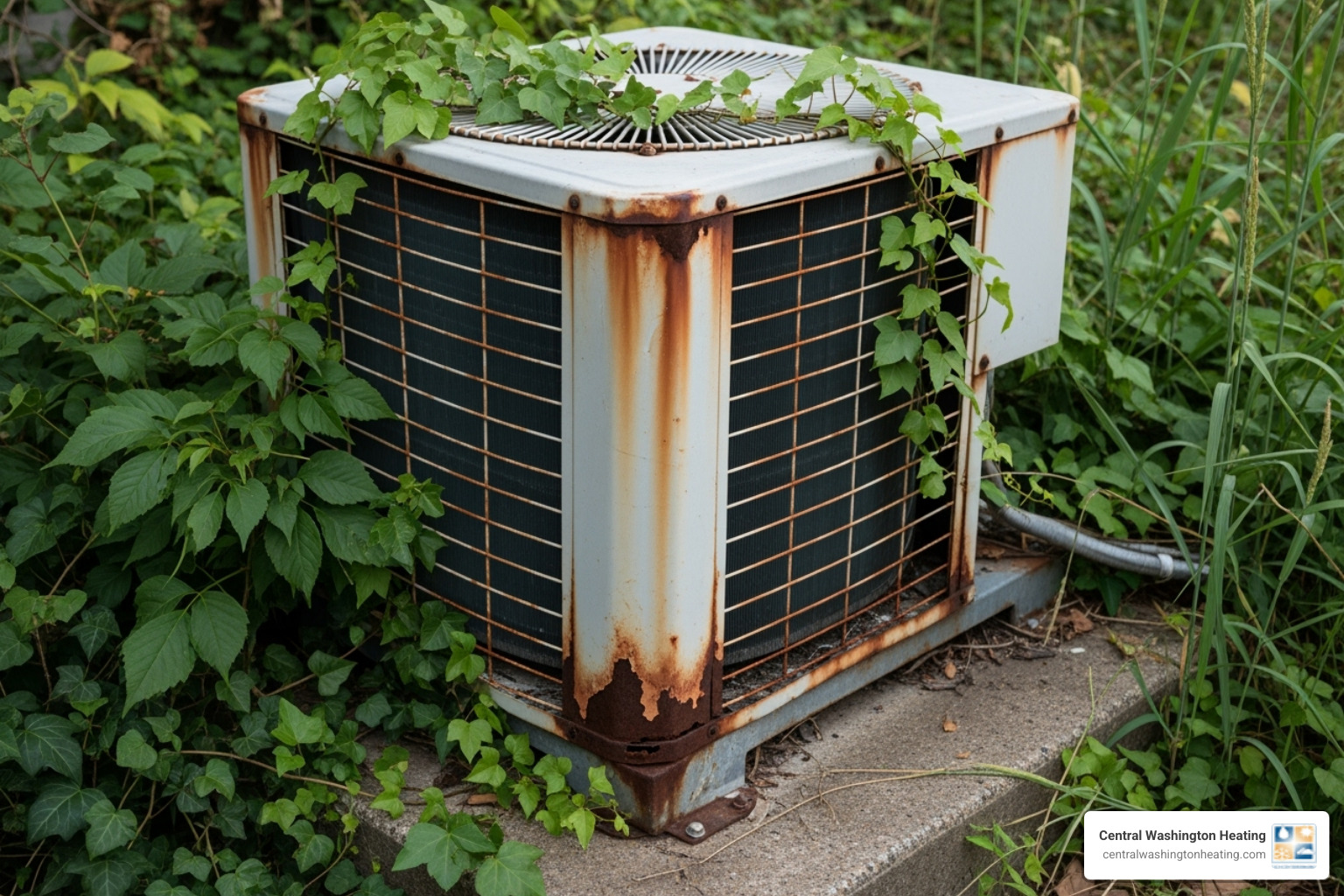
Sometimes your AC doesn't fail dramatically. Instead, it slowly loses its ability to keep your home comfortable. Here’s how to spot when your system is ready to retire:
- Your unit's age is the first clue. Most air conditioners last 10-15 years. If yours is in this range or older, it's time to start planning for AC unit replacement.
- Frequent repairs are a major red flag. If you're spending more on fixing your AC than enjoying its cooling, replacement makes better financial sense.
- Rising energy bills often signal declining efficiency. An aging system works harder to achieve the same cooling, driving up your monthly costs.
- Inconsistent temperatures indicate your AC can no longer distribute cool air effectively, leaving some rooms warm while others are too cold.
- Strange noises or odors like grinding, squealing, or musty smells can signal serious mechanical problems or mold growth.
- Poor humidity control leaves your home feeling sticky and uncomfortable because the system can no longer effectively remove moisture from the air.
- Outdated R-22 refrigerant is being phased out, making it expensive and difficult to find for repairs.
For a deeper dive into these warning signs, check out our comprehensive guide on Signs You Need AC Replacement.
The Age Factor: How Old is Too Old for an AC?
The average lifespan of a central air conditioner is 10-15 years. Units in harsh climates or those with poor maintenance may fail sooner, sometimes in as little as 8-10 years. As an AC ages, its efficiency naturally declines. Even a 10-year-old unit consumes significantly more energy than a modern replacement. This wear and tear also leads to inconsistent cooling and a higher likelihood of major component failure, such as the compressor. Learn more about common compressor issues in our article about Why AC Compressor Suddenly Stopped Working.
The Financial Tipping Point: Repairs vs. Replacement
The decision between repairing and replacing often comes down to smart financial planning. A helpful guideline is the "50% Rule": if repair costs are close to half the price of a new system, replacement is usually the better long-term investment. Continuing to patch up an old unit leads to unpredictable breakdowns, higher operating costs, and difficulty finding parts for older systems using R-22 refrigerant. A new AC unit replacement offers lasting value through lower energy bills, reliable performance, and the peace of mind that comes with a full warranty. Explore our Affordable AC Repair Options to help you make the best decision for your budget.
Choosing Your New System: A Guide to Modern Cooling Technology
Deciding on an AC unit replacement is an opportunity to upgrade your home's comfort and efficiency. Today's cooling technology offers smart systems, eco-friendly operation, and impressive energy savings.
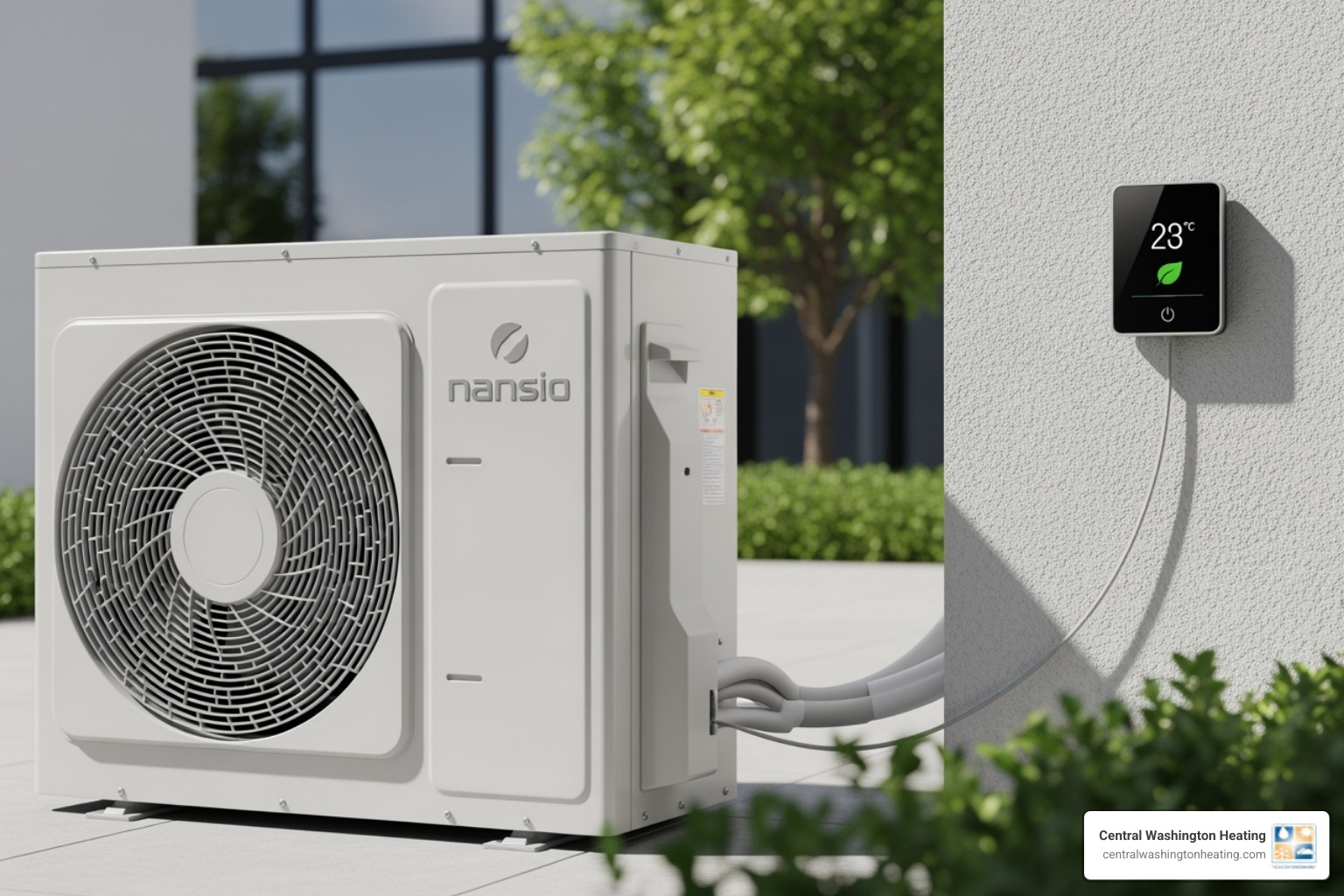
A modern AC unit replacement isn't just about replacing what you had—it's about upgrading to a system that can transform your home. Let's explore what makes today's AC units a superior choice.
Decoding Efficiency: What SEER Ratings Mean for You
SEER (Seasonal Energy Efficiency Ratio) is like a miles-per-gallon rating for your air conditioner. The higher the SEER number, the less electricity it uses. Today's minimum standards are much higher than those of units from 10-15 years ago, with some models reaching SEER ratings in the 20s. You may also see SEER2 ratings, which reflect a more accurate calculation of real-world efficiency. Upgrading to a high-SEER unit can reduce energy use by 30-50%, leading to significant long-term savings. The Energy savings with modern units guide from the Department of Energy shows real-world examples, and you can get personalized estimates with our SEER Calculator.
Finding the Right Fit: Types of AC Units
Choosing the right type of system is crucial for your AC unit replacement. There are three main options, each suited for different homes.
- Central Air Conditioners use ductwork to deliver consistent, whole-home cooling.
- Heat Pumps provide both heating and cooling in one efficient system, making them ideal for Central Washington's year-round climate.
- Ductless Mini-Splits are perfect for homes without ductwork or for creating zoned cooling, allowing you to control the temperature in individual rooms.
| AC Unit Type | Best For | Key Benefits |
|---|---|---|
| Central Air Conditioners | Homes with existing ductwork seeking consistent whole-home cooling | Even temperatures throughout the house, familiar operation |
| Heat Pumps | Homes needing both heating and cooling in moderate climates | Year-round efficiency, single system for both seasons |
| Ductless Mini-Splits | Homes without ductwork, room additions, or targeted cooling needs | Individual room control, no ductwork required, excellent efficiency |
Zoned cooling is increasingly popular because it saves energy by cooling only the spaces you're using. For more details, our guide on Why Choose Mini Split Systems explains the benefits.
Eco-Friendly Cooling and Smart Home Integration
Today's AC unit replacement options are designed with the environment in mind. New systems use modern refrigerants like R-410A and the even newer R-454B, which are much better for the ozone layer than the phased-out R-22. Their high efficiency also reduces your home's carbon footprint.
Smart thermostats learn your schedule, adjust temperatures automatically, and allow you to control your system from a smartphone. This improves both comfort and savings. Additionally, modern AC units improve indoor air quality with advanced filtration and humidity control. For more tips, see our article on Enhancing IAQ Air Purifiers. An AC replacement today is an investment in a healthier, more efficient, and smarter home.
The AC Unit Replacement Process: From Quote to Cool Air
Your AC unit replacement journey begins with a professional assessment to understand your home's unique cooling needs. A properly sized and expertly installed system is crucial for long-term reliability and comfort.
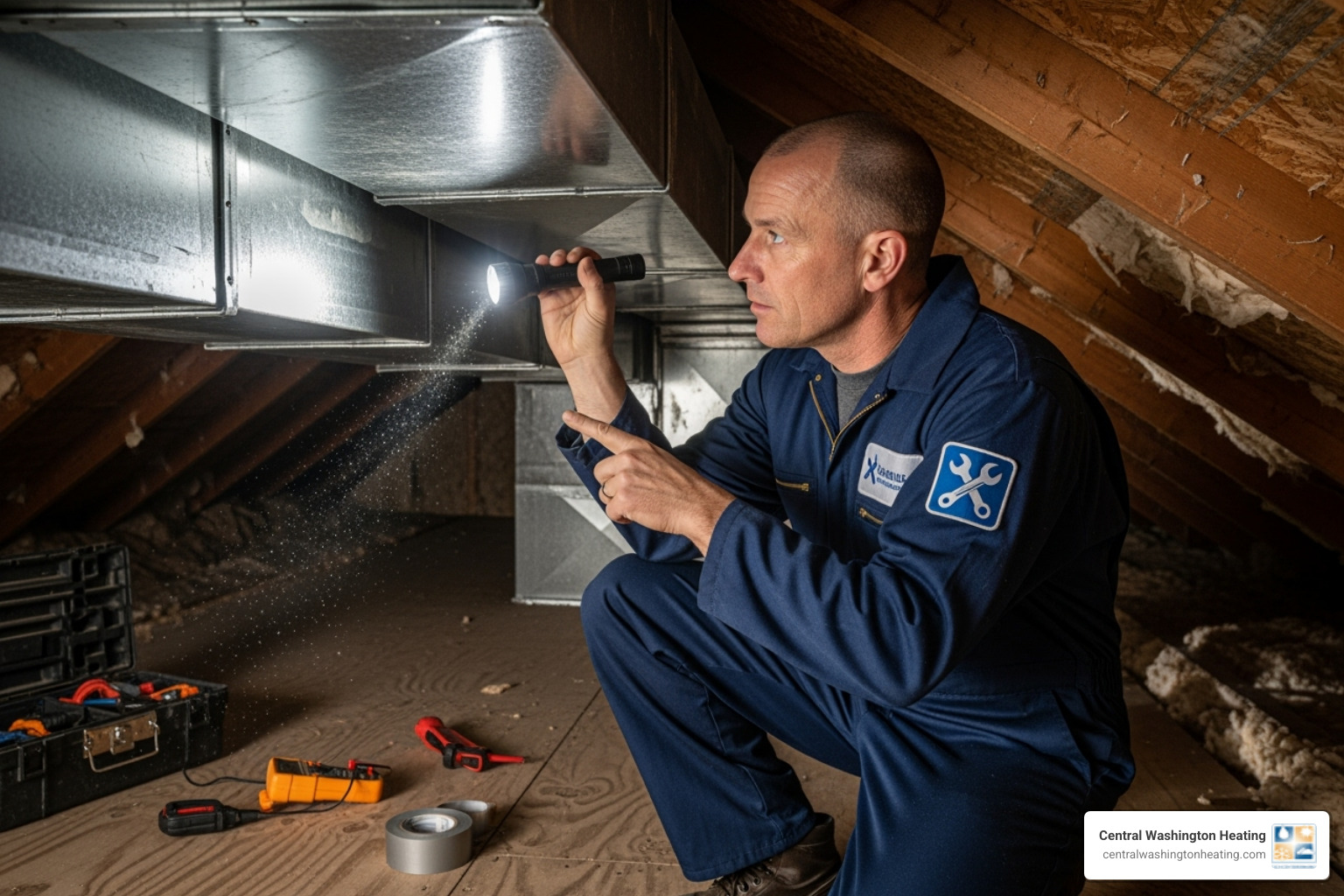
This isn't about a simple swap. We take the time to do things right, ensuring your new system will serve your family reliably for years.
Step 1: Professional Sizing and Contractor Selection
When it comes to air conditioners, bigger isn't better. An oversized AC cools too quickly, failing to remove humidity and leaving your home feeling clammy. An undersized unit runs constantly without reaching the set temperature, driving up energy bills and wearing out prematurely.
That's why we perform a Manual J load calculation. This detailed engineering assessment considers your home's square footage, insulation, windows, and local climate to ensure your new system is perfectly matched to your needs.
Choosing a licensed, experienced contractor is just as important as the equipment itself. Look for professionals with strong customer testimonials who explain the process clearly without pressure. The investment in professional installation pays dividends in comfort and efficiency. Learn more in our article on the Benefits of Professional AC Installation.
Step 2: Understanding the Installation
An AC unit replacement is a detailed process. A critical but often overlooked aspect is your ductwork condition. Even the most efficient AC will underperform if it's pushing air through leaky or improperly sized ducts. We inspect your ductwork to ensure it's clean, sealed, and ready for your new system.
The installation process includes several key phases:
- Safe removal of your old system and responsible disposal.
- Site preparation, such as pouring a new concrete pad for the outdoor unit.
- Precise placement and connection of all new components, including refrigerant lines and electrical wiring.
- Comprehensive system testing to check refrigerant levels, airflow, and temperature output, calibrating everything to manufacturer specifications.
Finally, we provide a detailed orientation to walk you through your new system and answer any questions. For a deeper look at what to expect, our Comprehensive Guide to AC Installation provides more detail.
Maximizing Your Investment: Maintenance for Your New AC
After your AC unit replacement, regular care is essential to protect your investment and ensure it performs at its best for years to come. Think of maintenance as insurance for your comfort and energy savings.
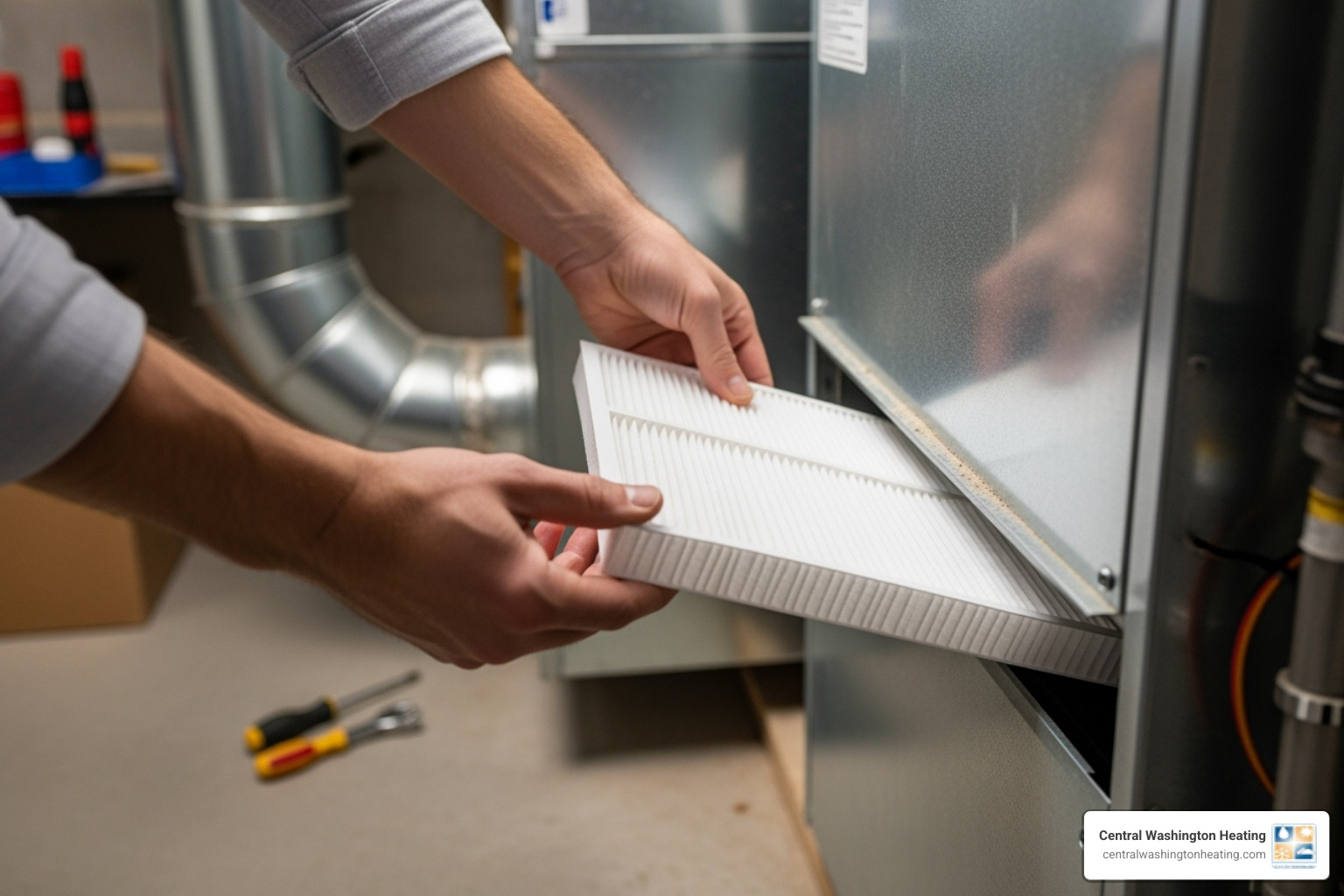
Even the highest-quality AC system will underperform without proper care. A well-maintained unit can outlast its expected lifespan while keeping energy bills low.
The Role of Regular Maintenance
Regular maintenance is like a health check-up for your AC, catching small issues before they become expensive problems. Well-maintained units often last 3-5 years longer than neglected ones. This care maintains peak efficiency and prevents unexpected breakdowns.
As a homeowner, you can help by performing a few simple tasks:
- Change or clean air filters every 1-3 months to ensure proper airflow.
- Keep the outdoor unit clear of leaves, grass, and debris, maintaining at least 24 inches of clearance.
- Check the condensate drain line periodically to prevent clogs and water damage.
- Monitor your system's performance and call for service if you notice unusual noises or weak airflow.
For a comprehensive look at how care protects your investment, read our article on the Benefits of Regular AC Maintenance.
Scheduling Professional Tune-Ups
While homeowner tasks are important, your new AC also needs a professional tune-up at least once a year. This is often required to keep your warranty valid.
During a professional tune-up, a technician will:
- Clean evaporator and condenser coils.
- Check refrigerant levels and pressure.
- Inspect electrical connections and lubricate moving parts.
- Test all controls and measure system performance.
This service catches potential issues that aren't visible to the untrained eye. The best time to schedule a tune-up is in the spring, before the summer heat arrives. By partnering with professionals for annual maintenance, you ensure your new AC unit replacement delivers reliable, efficient cooling for years. To schedule your service, visit our AC Maintenance Wenatchee WA page.
Frequently Asked Questions about AC Replacement
We understand that AC unit replacement brings up many questions. Here are some of the most common inquiries we receive, with insights to help you make an informed decision.
When is the best time of year to schedule an AC replacement?
The ideal time to plan an AC unit replacement is during the off-seasons: fall, winter, or early spring. Scheduling during these cooler months offers several advantages. Contractor availability is much better than during the summer rush, allowing for more flexible scheduling. You can also avoid the peak season demand that may limit equipment choices. Finally, manufacturers and contractors sometimes offer promotions during these slower periods.
How do government rebates or tax credits work?
Investing in a high-efficiency AC unit can make you eligible for government incentives that lower the overall cost. Federal tax credits are often available for systems that meet specific efficiency criteria (like SEER2 ratings), reducing your tax liability directly. Additionally, many state and local utility companies offer their own rebates. These programs change frequently, so it's important to check for current opportunities. For the latest federal information, check official government websites. We also encourage you to explore our current Promotions and discuss rebate options with our team.
What should I look for in a warranty for a new air conditioner?
A solid warranty protects your investment and provides peace of mind. When considering an AC unit replacement, look for these key components in the warranty:
- Parts Warranty: This is the foundation, covering the cost of replacement parts that fail due to a manufacturer defect. Most reputable brands offer 5-10 years of coverage.
- Labor Warranty: This valuable coverage pays for the technician's time to diagnose and perform the repair. It typically lasts 1-3 years but can sometimes be extended.
- Compressor Warranty: The compressor is the heart of your AC, so look for a separate, extended warranty for this component, often 10 years or more.
- Registration Requirements: Most manufacturers require you to register your new unit online within 60-90 days to activate the full warranty. We can help guide you through this simple but critical step.
Your Partner for a Cooler, More Efficient Home
Choosing AC unit replacement is a significant step toward improving your home's comfort and efficiency. A new, high-efficiency system brings consistent temperatures, lower energy bills, and cleaner indoor air. You'll also gain the peace of mind that comes with a reliable system ready to handle the next Central Washington heat wave.
These benefits are only fully realized with expert installation and proper system sizing. A precisely matched and installed system makes all the difference in performance and longevity. That's where professional expertise is invaluable.
At Central Washington Heating, we understand your home is your sanctuary. We're not just installing equipment; we're delivering a comfortable environment for your family. Our commitment extends beyond installation day, as we're here to support you with maintenance and service for the long haul.
Long-term comfort and savings start with the right choice today. When you're ready to transform your home's comfort, we're here to guide you. For professional AC Installation in Chelan, WA and surrounding areas, contact our team today. Let's create the cool, efficient home your family deserves.

Written by the Central Washington Heating and Air team
The techs and comfort advisors who've kept the Wenatchee Valley heated, cooled, and breathing easy for 30+ years — family & veteran owned, with 40+ years of combined industry experience.
- Licensed & insured · LIC# CENTRWH742JN
- Daikin Comfort Pro certified
- Wenatchee, WA
Last updated July 29, 2026
Ready for comfort you can count on?
Schedule service, request a free estimate, or call now for 24/7 emergency help. Our team is standing by across the Wenatchee Valley.
Get started today
Free estimates on installs · no-pressure, written quotes
Schedule My ServiceCall (509) 776-0247Mon–Fri: 8:00 AM – 4:30 PM · 24/7 for emergencies
Already have a quote? Get a free second opinion →