
Don't Sweat It: A Comprehensive AC Tune-Up Checklist
Master your AC service checklist! Get DIY tips & professional maintenance to save money, boost efficiency, and stay cool.
Why Your AC Service Checklist is Essential for Central Washington Summers
An AC service checklist ensures your air conditioning system runs efficiently when you need it most. Here's what every homeowner should know:
Essential AC Service Tasks:
- Monthly: Replace air filters, check thermostat settings, clear outdoor unit debris
- Seasonal: Clean condenser coils, inspect condensate drain, straighten coil fins
- Annual Professional Service: Check refrigerant levels, test electrical connections, clean evaporator coils
- Emergency Signs: Strange noises, warm air, water leaks, frequent cycling
Can you imagine a scorching hot day here in Central Washington without air conditioning? During those dog days of summer, your air conditioning system becomes your best friend - but only if it's properly maintained.
Regular AC maintenance isn't just about comfort. Replacing a clogged filter can lower your AC’s energy consumption by up to 15 percent, saving you hundreds on electricity bills. More importantly, a well-maintained system prevents those dreaded breakdowns when temperatures soar.
The difference between a system that lasts 10 years versus 15+ years often comes down to one thing: consistent, proactive care. Whether you're tackling simple monthly tasks yourself or scheduling professional tune-ups, having a clear checklist keeps your system running smoothly and your family comfortable.

DIY AC Maintenance: Simple Steps for Homeowners
Here's the truth about AC maintenance: it doesn't have to be scary! While some tasks definitely need a professional's touch, there's plenty you can do yourself to keep your system happy and prevent small problems from turning into expensive nightmares.
Safety comes first, though. Before you touch anything, always turn off the power to your AC unit at the breaker box. No exceptions! Let the system sit without power for about 30 minutes - this gives any stored electrical charge time to dissipate. Trust us, your fingers will thank you.
Your Monthly DIY AC Service Checklist
Think of these monthly tasks as giving your AC a quick health check. They're simple, but they make a world of difference in how well your system performs.
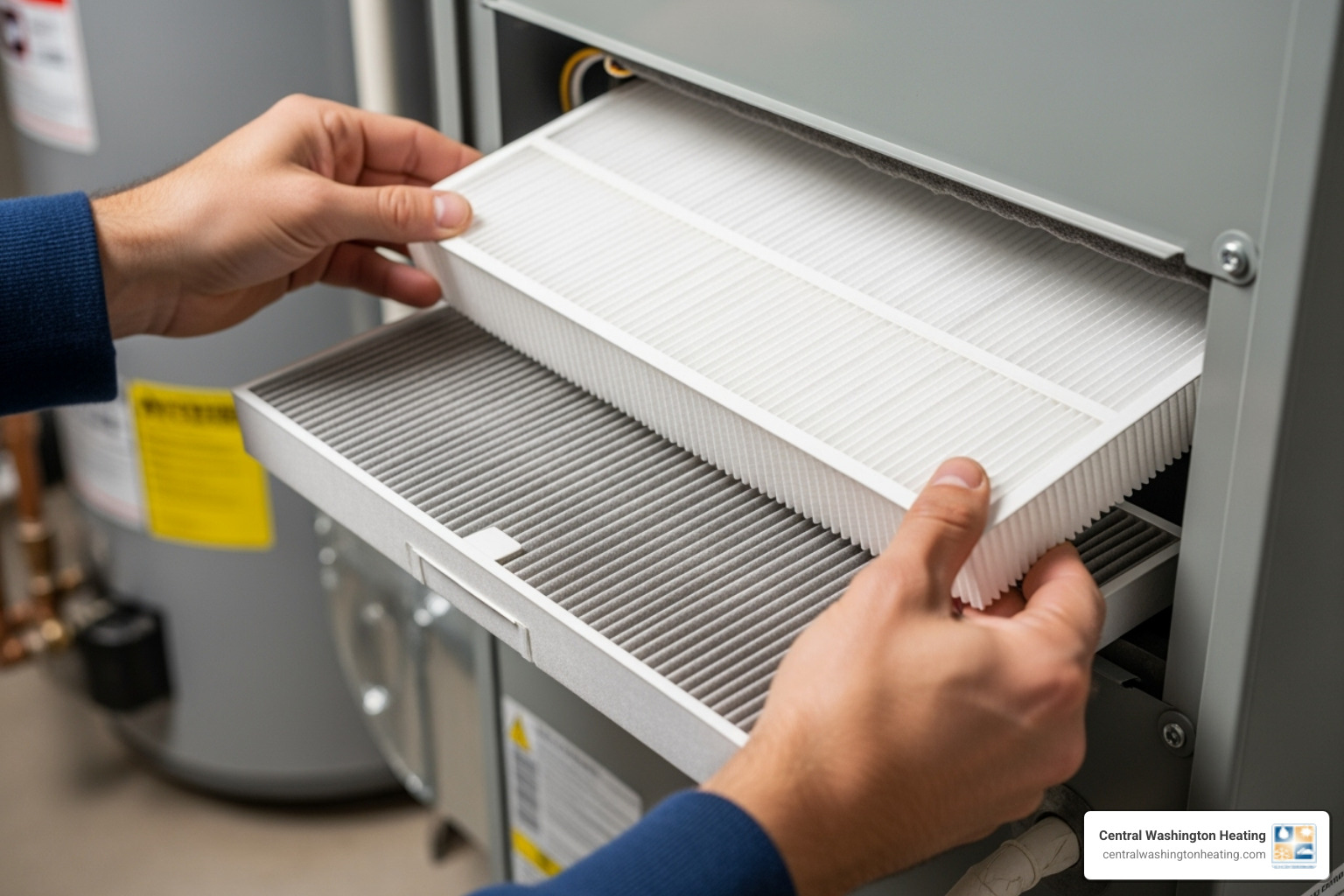
Changing your air filter tops every AC service checklist for good reason - it's the easiest way to keep your system running smoothly. A dirty filter is like trying to breathe through a pillow. Your AC has to work overtime to push air through, wearing out parts faster and driving up your energy bills.
Check your filter every month during cooling season. If you have pets or live in a dusty area, you might need fresh filters even more often. Here's the payoff: replacing a clogged filter can lower energy use by 15%. That's real money back in your pocket! If you're dealing with weak airflow from your vents, a gunked-up filter is usually the villain. Our guide on Fixing Low Airflow From Your AC Vents has more solutions.
Inspecting for debris around your outdoor unit is next. Your condenser needs room to breathe! Leaves, grass clippings, and yard debris love to pile up around it, choking off the airflow. Keep at least two feet clear on all sides - think of it as your AC's personal space bubble.
Checking thermostat settings might sound obvious, but you'd be surprised how often someone accidentally bumps it to "heat" or "fan only." Make sure it's set to "cool" and that your target temperature is actually lower than what the room feels like. If it's battery-powered, pop in fresh batteries when they get weak.
Seasonal Cleaning and Inspection
When spring rolls around in Central Washington, it's time for some deeper cleaning tasks that'll keep your system purring all summer long.
Cleaning the outdoor condenser unit gives your AC a fresh start for the cooling season. With the power off, gently rinse the coil from top to bottom using your garden hose on a gentle shower setting. High pressure can bend those delicate fins, so keep it gentle. While you're there, look for bent fins and carefully straighten them with a fin comb - it's like helping your AC take a deep, clear breath.
Clearing the condensate drain line prevents water troubles down the road. Your AC pulls moisture from the air, and that water needs somewhere to go. The condensate drain line carries it away from your home, but algae and mold can clog it up. Pour a cup of distilled vinegar mixed with warm water down the line to clear minor blockages, or use a wet/dry vac to suction debris from the outdoor end.
Visual inspection of wiring doesn't mean touching anything electrical - just taking a look. Check for frayed wires (squirrels love chewing on these!), loose connections, or corrosion. If something looks off, that's when you call the pros. Also, make sure your outdoor unit sits level. Ground shifts over time, and a tilted unit puts stress on the compressor. Use a simple level tool and add shims if needed.
Testing the system wraps up your maintenance session. Turn the power back on and listen for any weird noises, check that cold air flows consistently from your vents, and watch that the system cycles normally. This final check confirms all your hard work paid off!
Your Complete AC Service Checklist: Professional Tune-Up Essentials
While there's plenty you can do yourself to maintain your AC, some tasks are like performing surgery on your cooling system – they require the right tools, training, and expertise that only professional HVAC technicians possess. Think of it this way: you might change your car's oil, but you'd trust a mechanic with rebuilding the engine.
We always recommend scheduling a professional AC service checklist tune-up at least once a year, ideally in spring before Central Washington's summer heat kicks in. This timing isn't just convenient – it's strategic. Catching potential problems early means avoiding those dreaded emergency calls when temperatures soar and your AC decides to take an unscheduled vacation.
Electrical and Mechanical Checks
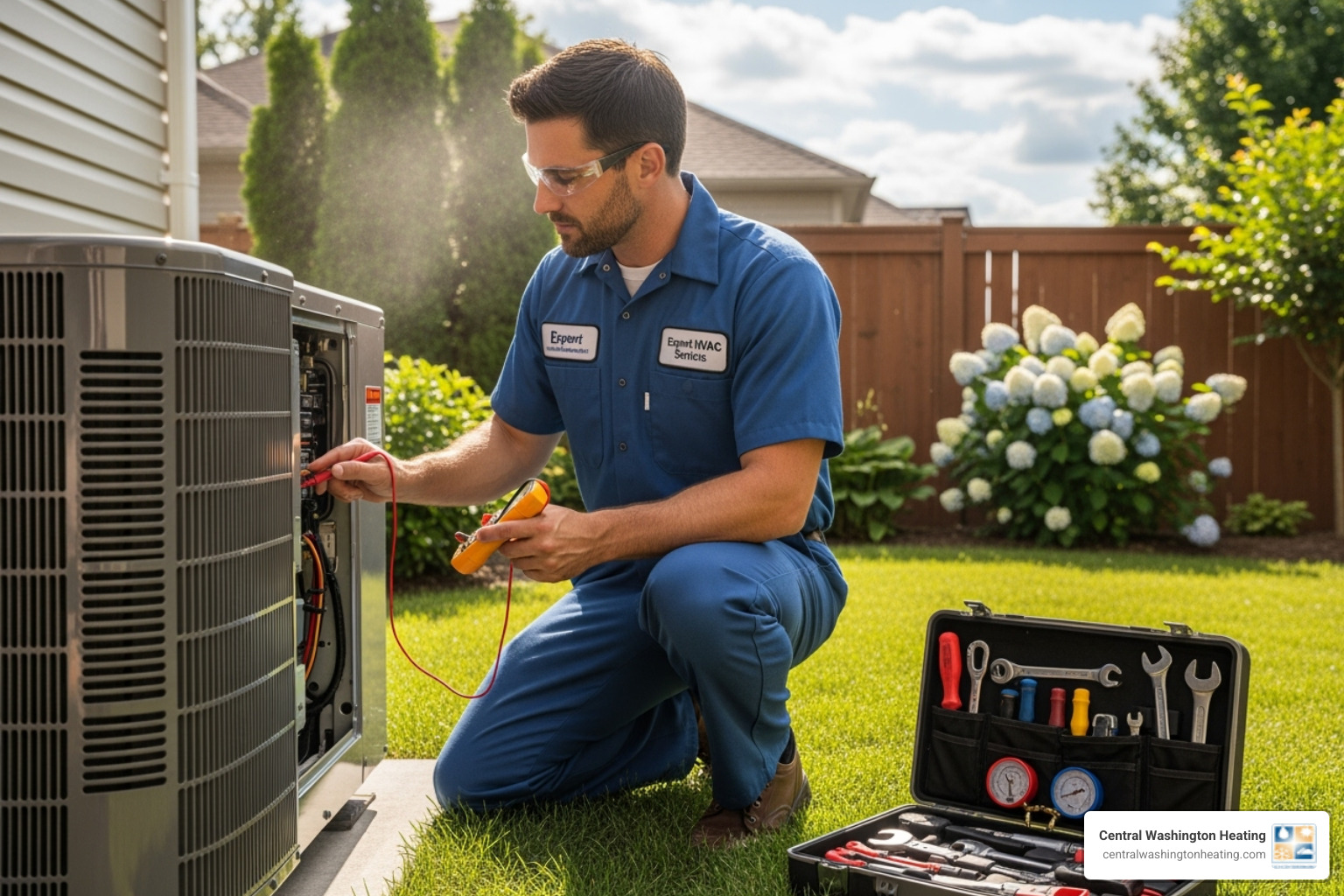
Professional technicians dive deep into your AC's electrical and mechanical systems, areas that are frankly too dangerous and complex for DIY maintenance. These components are the heart and soul of your cooling system, and they need expert attention.
Tightening electrical connections tops the priority list because loose connections aren't just performance killers – they're genuine safety hazards. Over time, vibrations and temperature changes cause connections to loosen, creating resistance that generates heat and can even spark fires. If your AC Circuit Breaker Keeps Tripping, faulty connections might be the sneaky culprit.
Your AC's moving parts need regular lubrication to prevent the kind of friction that leads to premature wear and those annoying squeaking sounds that wake you up at night. The blower motor, outdoor fan, and other components work tirelessly during cooling season, and proper lubrication keeps them running quietly and efficiently.
Capacitors and relays might sound intimidating, but think of them as your AC's electrical cheerleaders – they help the system start up and keep running smoothly. Capacitors, especially, are wear items that gradually weaken over time. Testing their strength and replacing weak ones prevents those frustrating "no cool" situations that always seem to happen on the hottest days.
The fan motor and blades get a thorough inspection too. An imbalanced or damaged fan blade doesn't just create noise – it forces the motor to work harder, reduces efficiency, and can eventually lead to motor failure.
Cooling Performance and Refrigerant Inspection
Here's where professional expertise really shines. Your AC's cooling performance depends on precise refrigerant levels and spotless coils – areas where guesswork simply doesn't cut it.
Deep cleaning of evaporator and condenser coils goes far beyond what you can accomplish with a garden hose. Dirty coils are efficiency killers, forcing your system to run longer and work harder to achieve the same cooling. Professional cleaning removes the stubborn buildup that reduces heat transfer and drives up energy bills.
Checking refrigerant levels requires specialized gauges and knowledge. Too little refrigerant means poor cooling and potential compressor damage. Too much creates high pressures that stress the entire system. Getting it just right is both an art and a science that keeps your AC running optimally.
Detecting refrigerant leaks involves specialized electronic leak detectors that can find even tiny leaks invisible to the naked eye. Addressing leaks quickly protects both your system's health and the environment, plus it saves you from gradually losing cooling capacity over time.
Measuring temperature differential – the difference between air entering and leaving your system – tells technicians volumes about your AC's health. If your AC is Blowing Warm Air, this measurement helps pinpoint exactly what's going wrong.
Airflow and Indoor Air Quality
Your AC doesn't just cool air – it moves it throughout your entire home, making airflow and air quality checks crucial parts of any professional tune-up.
Ductwork inspection reveals hidden energy thieves like loose connections, gaps, or damaged sections that let your expensive conditioned air escape into attics, crawl spaces, or walls instead of reaching your living spaces. Sealing these leaks can dramatically improve both comfort and efficiency.
Cleaning blower components ensures proper air circulation throughout your home. A dirty blower wheel doesn't just reduce airflow – it makes the motor work harder and can lead to premature failure. Clean components move air effortlessly and quietly.
System controls verification confirms that your thermostat and safety mechanisms communicate properly with your AC unit. These checks ensure your system not only runs efficiently but operates safely, protecting both your equipment and your family.
Proper airflow verification is the final piece of the puzzle. Poor airflow can reduce your system's efficiency by up to 15 percent, making your AC work harder while keeping you less comfortable. Professional technicians also assess your overall indoor air quality and can discuss solutions like whole-home air filtration systems. For comprehensive information on this topic, check out our Whole Home Air Filtration Guide.
The Payoff: Why Regular AC Maintenance Matters
Here's the truth about AC maintenance: the small effort you put in now saves you from major headaches later. When you follow a consistent AC service checklist, you're choosing to be proactive instead of reactive. And trust us, your future self will thank you when you're staying cool and comfortable while your neighbors are scrambling to find emergency repair services on the hottest day of the year.
Think of it this way - would you rather spend a little time and money on regular maintenance, or deal with a complete system breakdown when you need your AC most? The choice is pretty obvious when you look at the long-term benefits.
Boost Efficiency and Lower Utility Bills
Let's start with what matters to your wallet - those monthly electricity bills. Regular AC maintenance directly impacts how much you spend on cooling your home, and the savings can be substantial.
When your AC system is clean and well-maintained, it doesn't have to work nearly as hard to keep you comfortable. Clean filters allow air to flow freely, lubricated parts move smoothly, and properly calibrated components work in harmony. This reduced energy consumption means your system uses less electricity to achieve the same cooling results.
The U.S. Department of Energy confirms that good maintenance saves money on your energy bills. We're talking about real savings that show up every month during cooling season. When your system operates at peak efficiency, you might find yourself pleasantly surprised by lower monthly costs on those summer utility bills.
Beyond the financial benefits, you'll also notice optimal system performance throughout your home. No more hot spots in certain rooms or the system running constantly trying to catch up. A well-maintained AC delivers consistent, reliable cooling exactly when and where you need it.
Extend System Lifespan and Prevent Breakdowns
Nobody wants to experience an AC breakdown during a Central Washington heat wave. Regular maintenance is your best insurance policy against those dreaded emergency repair calls.
During professional tune-ups, we can spot small issues before they turn into big problems. Identifying issues early means we might replace a worn belt or clean dirty coils instead of dealing with a seized compressor months later. These Signs Your AC is About to Break Down are much easier to catch during routine maintenance than during an emergency service call.
This proactive approach leads to fewer costly repairs over your system's lifetime. When components are properly maintained, they experience less stress and wear, which means they're less likely to fail unexpectedly. Think of it like taking care of your car - regular oil changes prevent engine problems down the road.
Avoiding premature system failure is perhaps the biggest benefit of all. A well-maintained AC system can serve your family faithfully for 15 years or more, while neglected systems often need replacement after just 8-10 years. Maximizing equipment life through regular care means you get the full value from your investment.
Improve Indoor Air Quality and Comfort
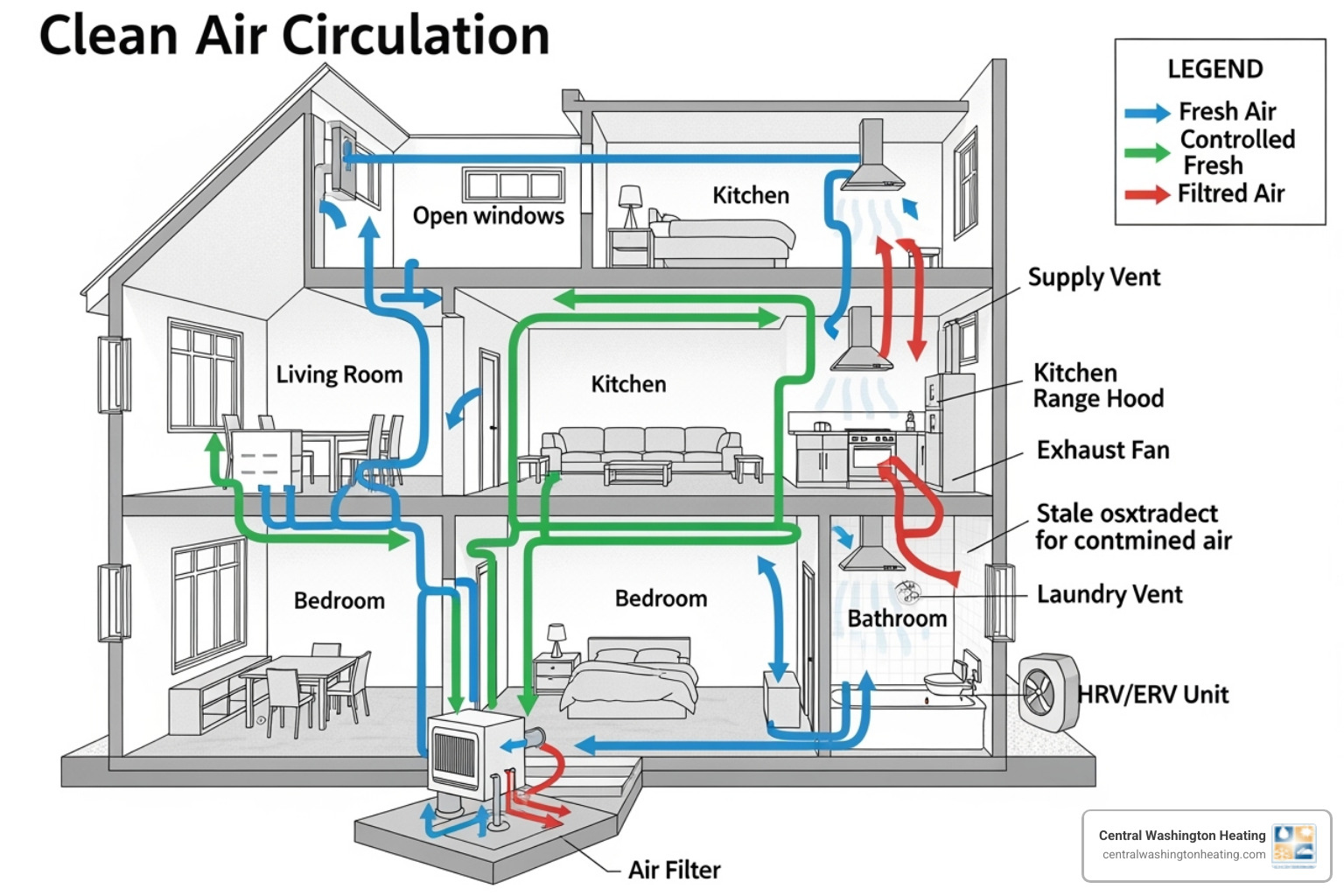
Your AC does more than just cool the air - it's also responsible for the quality of air your family breathes every day. Regular maintenance ensures your system continues to provide clean, healthy indoor air.
Removing dust and allergens is one of the most important jobs your AC performs. When filters are changed regularly and ductwork is properly sealed, your system acts like a giant air cleaner, capturing pollen, pet dander, and other particles before they can circulate through your home. This makes a huge difference for family members who struggle with allergies or respiratory issues.
Proper maintenance also focuses on preventing mold and bacteria growth in your system. When condensate drain lines stay clear and components remain clean, you eliminate the damp, dark conditions where harmful microorganisms love to grow. Nobody wants moldy air circulating through their home!
Better humidity control is another bonus of a well-maintained system. When your AC removes excess moisture effectively, your home feels more comfortable even at slightly higher temperatures. This means you can set your thermostat a few degrees higher and still feel perfectly comfortable, which saves even more energy. For comprehensive air quality solutions, you might want to explore the Essential Benefits of Whole Home Air Filtration.
The bottom line? Regular AC maintenance isn't just about keeping your system running - it's about ensuring your family's comfort, health, and peace of mind all season long.
Frequently Asked Questions about AC Service
We hear from homeowners throughout Central Washington all the time with questions about their air conditioning systems. After years of helping families keep cool and comfortable, we've noticed the same concerns come up again and again. Let's tackle the most common questions that relate to your AC service checklist.
How often should I have my AC professionally serviced?
The sweet spot for professional AC maintenance is once a year, and timing matters. We always recommend scheduling your annual tune-up in the spring, ideally in April or May, before the summer heat really kicks in. Think of it like getting your car inspected before a long road trip – you want to catch any issues before you're depending on it most.
Now, if your system is getting up there in age (over 10 years old), or if you're one of those households that runs the AC almost non-stop during our hot Central Washington summers, you might want to consider twice-yearly maintenance. Your manufacturer's warranty might also have specific requirements, so it's worth checking your documentation.
The bottom line? Annual professional service isn't just a nice-to-have – it's essential for keeping your system running efficiently and catching small problems before they turn into expensive headaches.
What are the signs my AC needs professional repair?
Your air conditioning system is pretty good at telling you when something's wrong – you just need to know what to listen and look for. Strange noises are often the first red flag. If you're hearing grinding, squealing, banging, or even a bubbling sound, that's your AC crying for help.
Foul odors are another clear warning sign. A musty smell usually means mold or mildew has taken up residence somewhere in your system, while a burning smell could indicate electrical problems that need immediate attention.
Pay attention to weak airflow from your vents too. If the air isn't flowing with its usual force, you might have a blockage, or your blower could be struggling. Water leaks around either your indoor or outdoor unit typically point to a clogged drain line or something more serious.
One particularly frustrating issue is system short-cycling – when your AC keeps turning on and off without completing a full cooling cycle. This makes your system work inefficiently and can indicate it's really struggling with something.
Of course, if your AC is blowing warm air or running constantly without actually cooling your home, that's a pretty clear sign it's time to call in the professionals. Some of these issues can even qualify as an emergency situation. Check out our guide on What Qualifies as AC Emergency to know when you need immediate help.
What happens if I neglect AC maintenance?
Skipping your AC service checklist might seem like a way to save time and effort, but it almost always backfires in ways that'll make you wish you'd just done the maintenance in the first place.
Your energy bills will creep up as your dirty, inefficient system works harder and harder to keep you cool. It's like trying to breathe through a dirty mask – everything becomes more difficult and exhausting.
Poor cooling performance becomes the new normal, leaving you uncomfortable during those sweltering summer days when you need your AC most. Your home just won't feel as cool and comfortable as it should, no matter how low you set that thermostat.
The repair bills start adding up too. Small, easily preventable issues snowball into major component failures that require expensive fixes. We've seen simple problems like dirty coils or clogged filters lead to compressor failures that could have been avoided with basic maintenance.
Your system's lifespan gets cut short significantly. Instead of lasting 12-15 years with proper care, a neglected AC might give up after just 8-10 years, forcing you into an unexpected and expensive replacement.
Water damage becomes a real risk when condensate drain lines get clogged and water starts backing up into your home. We've seen this cause thousands in damage to ceilings, walls, and flooring.
Perhaps most importantly for your family's health, poor indoor air quality develops as dust, mold, and allergens accumulate in your neglected system and get circulated throughout your home. This can be especially problematic for family members with allergies or respiratory issues.
The good news? All of these problems are completely preventable with regular maintenance and attention to your AC service checklist.
Stay Cool and Confident with a Proactive Maintenance Plan
Taking care of your air conditioning system isn't just about checking boxes on a list – it's about creating a comfortable, efficient home environment that serves your family well through every Central Washington summer. When you combine the simple monthly tasks you can handle yourself with professional expertise for the complex stuff, you're setting yourself up for years of reliable cooling.
Think about it this way: a comprehensive AC service checklist is like having a roadmap for your system's health. The monthly filter changes and debris clearing keep things running smoothly day-to-day, while those seasonal cleanings and annual professional tune-ups catch the bigger issues before they become expensive headaches.

We've walked through everything from the basics of changing air filters to the complex refrigerant checks that require professional training. Each step plays an important role in keeping your system efficient, your energy bills reasonable, and your indoor air quality healthy. The beauty of this approach is that both DIY maintenance and professional care work together – you're not just relying on one or the other.
The peace of mind that comes with proactive maintenance is something every homeowner deserves. No more worrying about your AC giving out during a heat wave, no more surprise repair bills, and no more struggling with a system that's working harder than it should be. Instead, you get consistent comfort, lower energy costs, and a system that lasts as long as it's designed to.
For comprehensive and reliable AC maintenance in Chelan and the surrounding areas, trust our expert team to keep your system in peak condition. We understand the unique challenges of Central Washington summers, and we're here to make sure your AC is ready for whatever Mother Nature throws our way.
Schedule your AC maintenance service today!

Written by the Central Washington Heating and Air team
The techs and comfort advisors who've kept the Wenatchee Valley heated, cooled, and breathing easy for 30+ years — family & veteran owned, with 40+ years of combined industry experience.
- Licensed & insured · LIC# CENTRWH742JN
- Daikin Comfort Pro certified
- Wenatchee, WA
Last updated July 29, 2026
Ready for comfort you can count on?
Schedule service, request a free estimate, or call now for 24/7 emergency help. Our team is standing by across the Wenatchee Valley.
Get started today
Free estimates on installs · no-pressure, written quotes
Schedule My ServiceCall (509) 776-0247Mon–Fri: 8:00 AM – 4:30 PM · 24/7 for emergencies
Already have a quote? Get a free second opinion →